How to Use an Immersion Blender
An immersion blender is a handheld stick with spinning blades at the bottom that you plunge directly into pots, bowls, or containers. It blends soups, sauces, and small batches without transferring hot liquids to a regular blender.
Why it matters
You can blend 8 cups of boiling soup right in the pot in 45 seconds. No lifting heavy pots. No burning yourself with steam. Small batches of mayo or whipped cream take 30 seconds in a narrow container.
What you need
Steps
Remove pot from heat if blending hot liquids. Fill container no more than 2/3 full to prevent overflow. For soups, the liquid should be at least 4 inches deep or the blades will spin in air and splatter everywhere.
Angle the blender head at 45 degrees and submerge completely before turning on. The blade guard must be under the surface. You'll hear a low hum when properly submerged versus a high whine if exposed to air.
Start on low speed for 5 seconds to break up large pieces. Listen for the pitch to drop as chunks get smaller. Increase to high speed once you hear steady whirring without grinding sounds.
Move the blender in slow circles, lifting up and down like a plunger. Keep the head submerged. Blend for 30-60 seconds until you see no visible chunks and the surface looks uniform and creamy.
Turn off before lifting out of liquid. Wait 2 seconds for blades to stop completely. The motor should go silent. Lift straight up to avoid flinging droplets.
Test consistency with a spoon. Cream soups should coat the back of the spoon and drip in a steady stream. Purees should hold their shape on the spoon for 3 seconds before sliding off.
Common Mistakes
Starting the blender before submerging
What happens: Hot liquid sprays across kitchen, burns skin
Fix: Always submerge blade guard completely, then turn on
Overfilling the container past 3/4 full
What happens: Liquid overflows when displaced by blender head
Fix: Transfer half to another container if needed
Moving too fast through thick mixtures
What happens: Motor overheats, shuts off after 30 seconds
Fix: Use slow pumping motion, blend in 20-second intervals
Blending frozen ingredients without thawing
What happens: Blades jam, motor burns out
Fix: Thaw to 40F or add 1/2 cup hot liquid first
Troubleshooting
if soup stays chunky after 2 minutes of blending
Then: Add 1/2 cup hot water to thin mixture, blend in 30-second bursts with 10-second rests
if blender creates suction and won't move
Then: Turn off, tilt at sharper angle to break vacuum seal, resume at lower speed
if mayo or cream won't thicken
Then: Use narrower container where blades barely fit, start with 1/4 of liquid, add rest slowly while running
Related Techniques
FAQ
Can I blend ice or frozen fruit?
Only if your model has 400+ watts and metal blades. Add 1/4 cup liquid per cup of frozen ingredients. Pulse 5 times for 3 seconds each rather than continuous blending. Ice should be crushed to pea-size first. Most 200-watt models will stall on anything harder than frozen berries at 32F.
How deep does the container need to be?
Minimum 6 inches for splatter control, ideal is 8-10 inches. The blade guard is typically 2 inches long and needs 4 inches of clearance above it. A standard 8-cup measuring cup works perfectly. For single servings, use a wide-mouth 16-ounce mason jar.
What's the difference between 200 and 400 watt models?
A 200-watt model handles soups, sauces, and soft vegetables in under 60 seconds. It struggles with raw carrots or nuts. A 400-watt model powers through harder vegetables in 30 seconds and can make nut butters in 2-3 minutes. The 400-watt motor stays cooler during extended use.
How do I clean sticky ingredients like honey or peanut butter?
Fill a 4-cup container with 2 cups warm water and 1 teaspoon dish soap. Run blender for 15 seconds. The vortex action cleans the blades. Rinse under hot water for 10 seconds. For dried-on food, soak blade end in hot soapy water for 5 minutes first.
Recipes Using This Technique
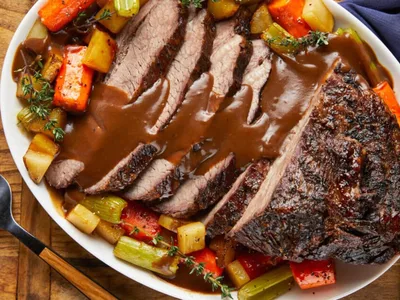
Oven-Roasted Brisket with Gravy in Roasting Bag
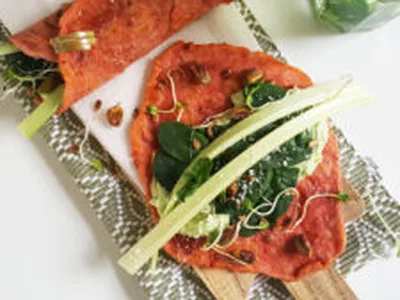
Beet Wraps with Goat Cheese Guacamole
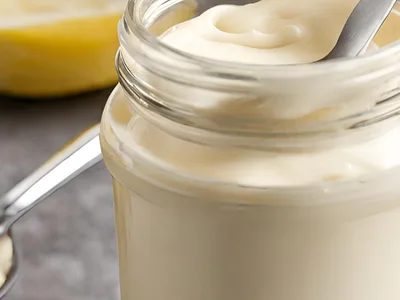
Vegan Avocado Oil Mayo with Soy Milk
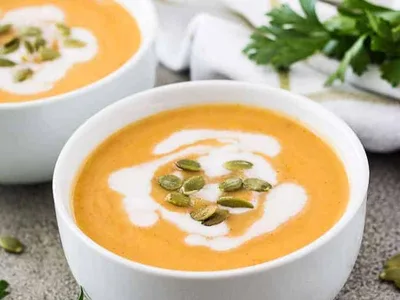
Instant Pot Acorn Squash Soup with Coconut Milk

Homemade Pumpkin Pie with Butter Crust