How to Use a Food Processor
A food processor is a motorized kitchen tool with sharp blades that spins at 1500-2000 RPM to chop, puree, mix, and shred ingredients. It uses a wide bowl and S-shaped blade to process food evenly in seconds instead of minutes by hand.
Why it matters
A food processor cuts prep time from 20 minutes to 2 minutes for tasks like making pie dough or chopping vegetables. It creates textures you can't achieve by hand, like perfectly smooth hummus or evenly ground nut butters. The machine gives you consistent results every time. Unlike blenders, food processors handle thick mixtures and dry ingredients without adding liquid.
What you need
Steps
Lock the bowl onto the motor base by turning it clockwise until you hear a click. Insert the S-blade by sliding it down the center shaft until it sits flat on the bottom. The blade should spin freely when you rotate it by hand.
Cut ingredients into 1-inch chunks before adding them to the bowl. Fill only to the maximum line marked on the bowl, usually 2/3 full. Overfilling causes uneven chopping and motor strain.
Secure the lid by aligning the feed tube with the handle and twisting until it locks. You'll hear a snap. The machine won't start unless the lid locks properly.
Pulse 5-8 times in 1-second bursts for rough chopping. Each pulse should sound like a quick whir. Stop when pieces are 1/4 inch, about the size of corn kernels. Check texture after every 3 pulses.
Process continuously for 30-60 seconds for smooth purees. The mixture will first look chunky, then gradually smooth out. Stop when no visible chunks remain and the surface looks glossy. Hummus takes 90 seconds. Nut butter needs 3-5 minutes.
Stop the motor and scrape down the sides every 30 seconds with a rubber spatula. Food sticks to the walls above the blade's reach. Three scrape-downs usually gets everything incorporated.
Remove the lid and lift out the blade before pouring out contents. Hold the blade shaft from underneath while you pour. This prevents the sharp blade from falling into your mixture.
Common Mistakes
Processing hot liquids or foods above 140F
What happens: Steam pressure blows the lid off and sprays hot food everywhere
Fix: Cool ingredients to 100F or below before processing
Running the motor continuously for over 2 minutes
What happens: Motor overheats and automatic shut-off engages, or motor burns out permanently
Fix: Process in 60-second intervals with 1-minute breaks between
Using the S-blade for kneading bread dough
What happens: Overworks gluten and creates tough, dense bread
Fix: Use the plastic dough blade and pulse only 45-60 seconds total
Adding all liquid ingredients at once
What happens: Creates a water vortex that prevents proper mixing
Fix: Add liquids slowly through the feed tube while machine runs
Troubleshooting
if food processor won't start
Then: Check that bowl and lid arrows align perfectly. Even 1/8 inch off prevents the safety switch from engaging
if ingredients stick to sides and won't incorporate
Then: Add 1-2 tablespoons of liquid to help ingredients move. Oil works for savory items, water for sweet
if motor makes grinding noise and slows down
Then: Turn off immediately. You're processing too much at once. Remove half and process in batches
Related Techniques
FAQ
What size food processor should I buy?
A 9-cup model handles 90% of home cooking tasks. Smaller 3-5 cup models struggle with full recipes and require multiple batches. Larger 14-cup processors work well for families of 6+ but cost $50-100 more. The motor matters more than size. Get at least 600 watts for smooth nut butters and 720+ watts for daily bread dough.
Can I put food processor parts in the dishwasher?
Most bowls, lids, and plastic parts go on the top rack at 120F or cooler. Metal blades dull 25% faster in dishwashers due to harsh detergents. Hand wash blades in warm soapy water and dry immediately. The motor base never goes in water. Wipe it with a damp cloth only.
How long do food processor blades stay sharp?
Quality stainless steel blades last 5-8 years with regular use. Dull blades take 2x longer to process and leave uneven chunks. Test sharpness by processing a carrot in 5 pulses. Sharp blades create uniform 1/8-inch pieces. Dull blades leave some 1/2-inch chunks mixed with mush.
What's the difference between chopping and pulsing?
Pulsing means pressing the button for 1-second bursts with 1-second pauses between. This gives 1/4 to 1/2-inch chunks. Continuous processing runs the motor steadily and creates purees or pastes in 30-90 seconds. Use pulse for salsa ingredients. Use continuous for hummus or pesto.
Recipes Using This Technique
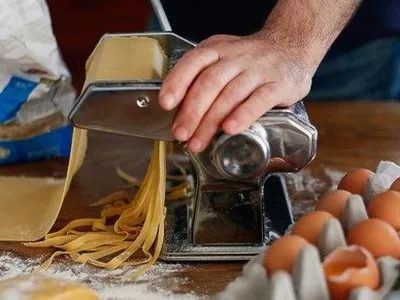
Homemade Fresh Pasta Dough Recipe

Snickers Soft Serve Ice Cream with Peanuts
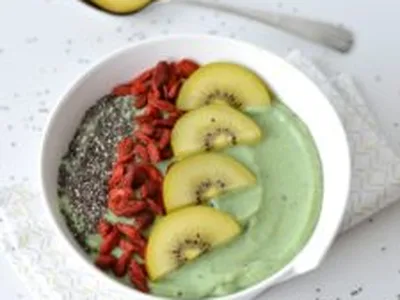
Kiwi Avocado Smoothie Bowl with Spirulina

Vegan Caesar Salad with Crispy Potatoes
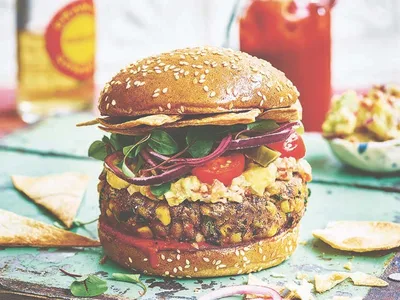
Vegan Mexican Chickpea Burgers with Salsa