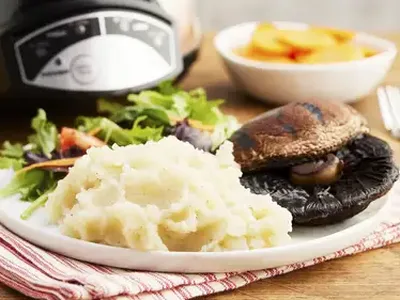
How to Use a Slow Cooker
Slow cooking uses moist heat at 190F to 300F over 4 to 10 hours to break down tough proteins and develop deep flavors. Electric slow cookers maintain steady temperatures without supervision.
Why it matters
Tough cuts like chuck roast become fork-tender after 8 hours at 200F. Collagen melts into gelatin between 160F and 180F. Set it at 8am and dinner is ready at 6pm. Uses 75% less electricity than an oven running at 350F.
What you need
Steps
Brown meat in a 12-inch skillet over medium-high heat, 3 to 4 minutes per side. Look for deep golden crust. Meat should sizzle when it hits the pan. Transfer to slow cooker insert.
Layer ingredients by density. Place root vegetables like carrots and potatoes on bottom. They need 203F to soften. Add meat on top. Pour liquid until it reaches halfway up the meat, about 2 cups for a 3-pound roast.
Set temperature based on cooking time. Use LOW (190F to 200F) for 8 to 10 hours. Use HIGH (280F to 300F) for 4 to 6 hours. Most dishes work on either setting.
Cover with lid and cook without lifting. Each peek releases heat and adds 30 minutes to cook time. Steam should condense on the lid within 20 minutes. Check doneness only in final hour.
Test meat with a fork at thickest part. It should slide in with no resistance. Internal temp should reach 195F for pulled pork, 160F for chicken breasts, 203F for chuck roast. Vegetables should pierce easily with knife tip.
Remove lid away from your face to avoid steam burns. Fat will pool on surface. Skim with ladle or absorb with paper towel. Let meat rest 10 minutes before shredding or slicing.
Common Mistakes
Filling cooker more than 3/4 full
What happens: Food cooks unevenly and liquid overflows
Fix: Keep ingredients between 1/2 and 3/4 capacity
Adding dairy or pasta at start
What happens: Milk curdles and pasta turns to mush after 2 hours
Fix: Add dairy last 30 minutes, pasta last 20 minutes
Using frozen meat without thawing
What happens: Center stays at 40F to 140F danger zone for 4 hours
Fix: Thaw meat completely in refrigerator first
Cutting vegetables too small
What happens: 1/4-inch pieces dissolve into sauce after 6 hours
Fix: Cut vegetables in 1-inch to 2-inch chunks
Troubleshooting
Food tastes bland after cooking
Then: Add fresh herbs, citrus juice, or vinegar in last 15 minutes. Salt enhances flavor when added at end
Too much liquid after cooking
Then: Remove lid and cook on HIGH for 30 minutes. Or mix 2 tablespoons cornstarch with 2 tablespoons cold water, stir into pot
Related Techniques
FAQ
Can I convert oven recipes to slow cooker?
Yes. Reduce liquid by 50% since slow cookers trap steam. A dish that bakes at 350F for 45 minutes needs 4 hours on HIGH or 8 hours on LOW. Cut cooking liquid from 2 cups to 1 cup. Slow cookers create about 1/2 cup condensation per 4 hours of cooking.
Do I need to stir during cooking?
No. Stirring drops temperature by 10F to 15F each time. Gentle convection currents in the liquid circulate heat without stirring. Ground meat dishes are the exception. Break up ground beef or turkey once after 2 hours to prevent large clumps. Otherwise leave the lid on.
What size slow cooker should I buy?
A 6-quart oval fits a 4-pound whole chicken or feeds 6 people. Round 4-quart models work for 2 to 4 servings. The insert should be 1/2 to 3/4 full for proper heat circulation. Oval shapes fit roasts better than round. Models under $50 work fine for basic cooking.
Why is my meat still tough after 8 hours?
Check your model runs at proper temps. LOW should maintain 190F to 200F. Test with water and thermometer. Tough cuts need to reach 195F to 205F internally for collagen to break down. Add 2 more hours on LOW. Some older units run 20F cooler than spec.
Recipes Using This Technique
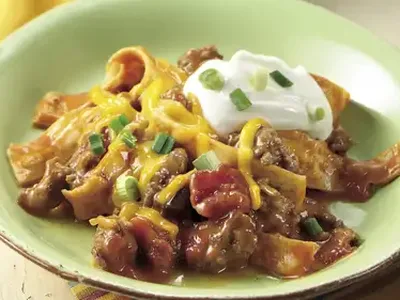
Slow Cooker Beef Taco Casserole with Corn Tortillas
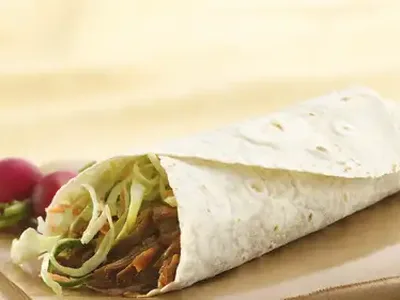
Slow Cooker Pulled Pork Wraps with Tangy Buttermilk Coleslaw
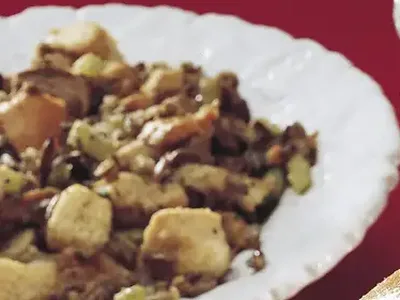
Slow-Cooker Sourdough and Wild Rice Stuffing with Porcini
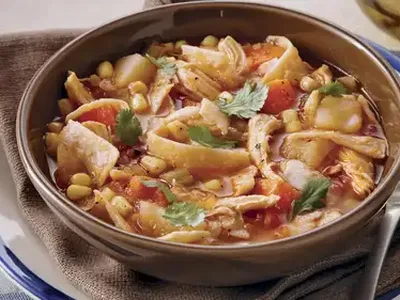
Slow-Cooker Spicy Chicken Stew with Corn and Potatoes
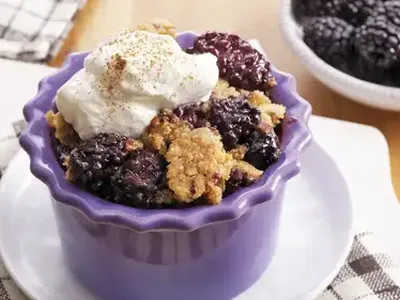
Slow Cooker Sweet Cornbread Blackberry Cobbler