All About Apple
Apples bring natural sweetness and moisture to both sweet and savory dishes. Their pectin content helps baked goods hold together while adding tender crumb. Raw apples add crunch to salads and slaws. Cooked apples soften into jammy textures perfect for sauces, cakes, and oatmeal. Different varieties offer varying levels of tartness, from mouth-puckering Granny Smiths to honey-sweet Fujis.
How to Select
Press gently near the stem. Firm apples last 2-3 weeks longer than soft ones. Skip apples with brown spots or wrinkled skin. A fresh apple feels heavy for its size. Small brown freckles on the skin are fine. They indicate ripeness, not damage.
How to Store
Keep apples in your crisper drawer at 32-35°F. They last 6-8 weeks refrigerated versus 1 week on the counter. Store in a perforated plastic bag to maintain humidity while allowing ethylene gas to escape. One bad apple really does spoil the bunch. Check weekly and remove any with soft spots.
How to Prep
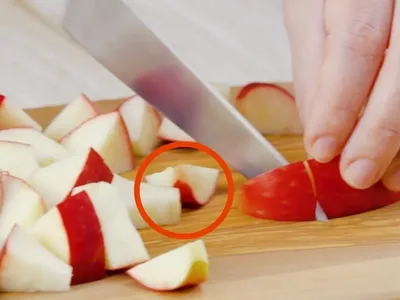
For dicing, cut into quarters around the core, then slice each quarter into 3 planks before cutting crosswise. Grating works best on a box grater's large holes for muffins and cakes. To prevent browning, toss cut apples with 1 tablespoon lemon juice per 2 cups fruit. Leave peels on for extra fiber unless the recipe specifically calls for peeling.
Flavor Pairings
Cinnamon amplifies apple's natural sweetness in everything from oatmeal to muffins. Brown sugar and butter create caramel notes in baked apples. Honey smooths out tart varieties in sauces. Sharp cheeses like aged cheddar balance apple's sweetness. Walnuts and almonds add crunch that complements soft cooked apples.
Cooking Tips
Bake apple slices at 375°F for 15-20 minutes until edges turn golden.
Add grated apple to pancake batter. Use 1/2 cup per batch for extra moisture.
Simmer diced apples with 2 tablespoons water per cup of fruit for 8-10 minutes to make chunky sauce.
Toss apple chunks into salads 5 minutes before serving to prevent browning.
Varieties
Need a substitute? See our Best Substitutes for Apple guide with tested ratios.
FAQ
Can I substitute applesauce for oil in baking?
Replace up to half the oil with unsweetened applesauce in muffins and quick breads. Use a 1:1 ratio. For a recipe calling for 1/2 cup oil, use 1/4 cup oil plus 1/4 cup applesauce. This works best in recipes that already include fruit. The texture becomes slightly denser but stays moist for 2-3 days longer than oil-only versions.
Why do my baked apples turn mushy?
You're probably using Red Delicious or McIntosh apples. These break down at temperatures above 350°F. Switch to Granny Smith, Braeburn, or Pink Lady apples. They hold their shape at 375-400°F for 20-30 minutes. Cut uniform 1/2-inch slices so they cook evenly. Test doneness by piercing with a fork. Properly baked apples feel tender but don't fall apart.
How do I know when apples are overripe?
Press the apple near the stem. If your finger leaves an indent, it's overripe for eating fresh but perfect for sauce or baking. Brown spots larger than a dime indicate decay spreading inside. A wrinkled skin means the apple lost 20% or more of its moisture. These work fine in smoothies or cooked dishes where texture doesn't matter.
Should I peel apples for pie?
Peeling is optional for most pies. Apple skin softens completely during the 45-60 minute bake time at 375°F. Leaving skin on adds fiber and helps slices hold their shape. Some bakers peel every other slice for the best of both worlds. Red-skinned varieties like Gala can tint your filling slightly pink.
Recipes with Apple
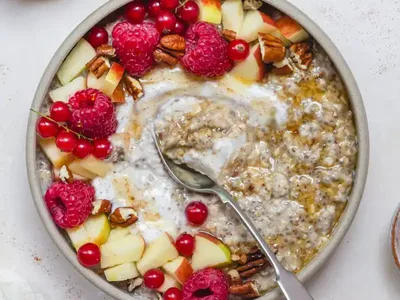
Cinnamon Apple Quick Soak Overnight Oats
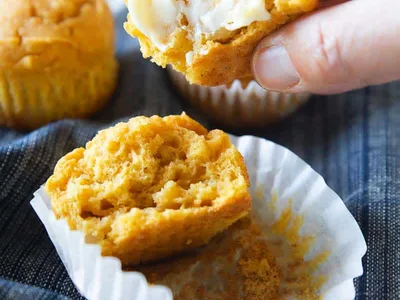
Gluten-Free Pumpkin Apple Muffins with Applesauce

Paleo Hot Cross Muffins with Cashew Honey Crosses
Stovetop Upside-Down Apple Cake

Vegan Caramel Apple Pancakes with Almond Butter Sauce