All About Applesauce
Applesauce acts as both moisture and fat replacement in baking, turning dense batters into tender crumbs. Ground cooked apples create a naturally sweet puree that binds ingredients while cutting calories by 50-75% compared to oil or butter. Its pectin content helps trap air bubbles during mixing. Beyond baking, it serves as a simple side dish or topping that adds fruit servings without prep work.
How to Select
Check the ingredient list first. Plain applesauce should contain only apples, maybe ascorbic acid. Sugar adds 50 calories per half cup. Texture varies from smooth to chunky. Smooth works better for baking. Glass jars show color better than plastic. Golden applesauce tastes milder than standard amber.
How to Store
Unopened jars keep 12-18 months in the pantry. Once opened, refrigerate and use within 10 days. Transfer to glass containers if the original jar is too large. Applesauce freezes perfectly for 8 months in freezer bags with air pressed out. Thaw overnight in the fridge. Homemade lasts 7-10 days refrigerated or 2 months frozen. Never store in metal containers.
How to Prep
For baking, bring refrigerated applesauce to room temperature 30 minutes before using. Cold applesauce can shock butter-based batters. Measure carefully since extra moisture ruins texture. When replacing oil, use 3/4 the amount called for. Drain excess liquid from chunky varieties through a fine mesh strainer. Whisk smooth before adding to ensure even distribution in batters.
Flavor Pairings
Cinnamon enhances applesauce in any application, using 1/2 teaspoon per cup. Brown sugar deepens sweetness without making it cloying. Vanilla extract rounds out fruit flavors in baked goods. For savory uses, pair with pork chops or potato pancakes. Pecans and walnuts add crunch to applesauce muffins. Fresh thyme creates unexpected complexity in glazes.
Cooking Tips
Replace each egg with 1/4 cup applesauce plus 1 teaspoon baking soda in vegan baking.
Reduce oven temperature by 25°F when substituting applesauce for oil to prevent over-browning.
Mix applesauce-based batters just until combined since overmixing creates gummy texture in 30 seconds.
Add 2 tablespoons applesauce to pancake batter for fluffier results without extra fat.
Varieties
Need a substitute? See our Best Substitutes for Applesauce guide with tested ratios.
FAQ
Can I substitute applesauce for eggs in any recipe?
Applesauce works best replacing eggs in dense baked goods like brownies, muffins, and quick breads. Use 1/4 cup per egg. Skip this swap for airy cakes or cookies that need structure. The pectin provides some binding but can't create the lift that whipped eggs provide. Success rate drops below 50% in recipes calling for more than 2 eggs.
Why does my applesauce turn brown?
Oxidation causes browning within 2-3 days of opening. This affects appearance but not safety or taste. Commercial brands add ascorbic acid (vitamin C) to prevent browning for 10 days. For homemade, add 1 tablespoon lemon juice per 4 cups of applesauce. Store in the smallest possible container to minimize air exposure.
How much applesauce equals one apple?
One medium apple (182 grams) yields about 1/3 cup applesauce. Most baking recipes calling for 1 cup applesauce need 3 medium apples if making your own. Cooking reduces volume by 40% as cell walls break down. Different apple varieties yield different amounts. Granny Smiths produce less puree than softer McIntosh apples.
Should I use applesauce at room temperature or cold?
Room temperature applesauce incorporates better into batters, taking 30 minutes out of the fridge. Cold applesauce can cause butter to seize and create lumps. For eating plain or as a topping, serve chilled. When making overnight oats, cold applesauce works fine since everything soaks together for 8 hours.
Recipes with Applesauce
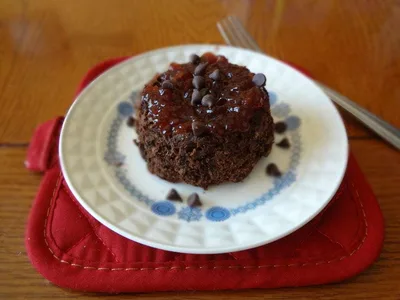
Vegan Paleo Chocolate Mug Cake Microwave
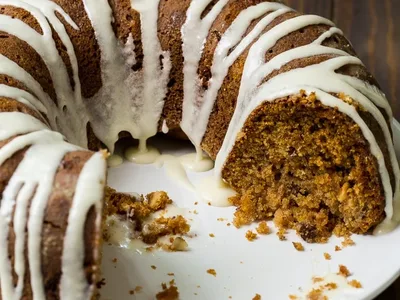
Cinnamon Caramel Applesauce Coffee Cake with Pecans

Gluten-Free Zucchini Bread with Burrata and Thyme Grapes
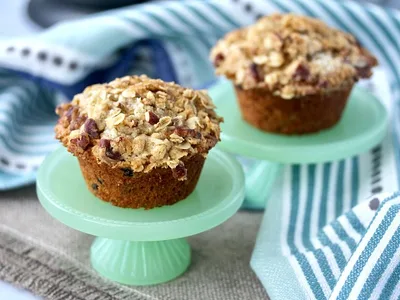
Small-Batch Apple Nut Oatmeal Muffins