All About Cheese
Cheese transforms simple ingredients into comfort food. Made from milk through acidification and aging, it brings salt, fat, and umami to any dish. Hard cheeses like Parmesan add nutty depth to pasta. Soft cheeses like mozzarella create that perfect pizza pull. Fresh cheeses like feta brighten salads with tangy bite.
How to Select
Press semi-hard cheeses gently. They should spring back, not leave dents. Check expiration dates on packaged cheese. Avoid any with visible mold unless it's blue cheese. Fresh mozzarella should sit in liquid. Hard cheeses shouldn't bend when you apply pressure. Skip pre-shredded if you want maximum flavor.
How to Store
Wrap hard cheeses in wax paper, then loose plastic. They'll keep 3-4 weeks refrigerated. Store fresh cheeses like feta in their brine for up to 2 weeks. Soft cheeses last 1 week after opening. Keep all cheese in the vegetable drawer where humidity stays around 80%. Freeze only if you plan to cook with it. Thawed cheese crumbles but melts fine.
How to Prep
Grate hard cheeses when cold using the small holes for fine texture. Shred semi-hard cheeses at room temperature for easier handling. Crumble feta with clean hands or two forks. For even melting, bring cheese to room temperature 30 minutes before cooking. Cut mozzarella with a sharp knife dipped in hot water between slices. One pound of cheese yields about 4 cups shredded.
Flavor Pairings
Cheddar loves apples, bacon, and mustard. Parmesan pairs with tomatoes, basil, and garlic in Italian dishes. Feta works with olives, lemon, and oregano in Greek preparations. Mexican cheese blends complement cilantro, lime, and jalapeños. Gruyere matches well with caramelized onions and thyme.
Cooking Tips
Melt cheese at 150-160°F to prevent oil separation. Higher temps make it grainy.
Add 1 tablespoon cornstarch per cup of shredded cheese for smoother melting in sauces.
Broil gratins 6 inches from heat for 2-3 minutes until golden brown and bubbling.
Mix 3 parts mozzarella to 1 part cheddar for stretchy yet flavorful pizza cheese.
Varieties
Need a substitute? See our Best Substitutes for Cheese guide with tested ratios.
FAQ
Why does my melted cheese get grainy?
Cheese proteins clump above 180°F. Keep heat low and stir constantly. Add cheese off heat when possible. For cheese sauces, maintain temperature between 150-160°F. Adding 1 teaspoon of lemon juice or white wine per cup of cheese helps prevent graininess. Processed cheeses contain emulsifiers that prevent this issue entirely.
Can I freeze cheese?
Hard and semi-hard cheeses freeze for up to 6 months. Wrap tightly in plastic then foil. Soft cheeses don't freeze well. They become crumbly and watery. Shred cheese before freezing for easier use. Thaw overnight in the fridge. Use frozen cheese for cooking only since texture changes. Fresh mozzarella and ricotta should never be frozen.
How much cheese do I need per person?
For a cheese board, plan 2-3 ounces per person as an appetizer, 4-6 ounces as the main course. Pizza needs 2 ounces per person. Grilled cheese sandwiches use 2-3 slices or 1.5 ounces each. Mac and cheese requires 2 ounces per serving. Salads need just 1 ounce crumbled or shredded per person.
What's the white stuff on aged cheese?
Those white crystals are calcium lactate, forming naturally as cheese ages beyond 12 months. They're safe to eat and indicate proper aging. They crunch pleasantly between teeth. Some people specifically seek out crystalline Parmesan or aged Gouda for this texture. Don't confuse crystals with fuzzy mold, which should be cut away with a 1-inch margin.
Recipes with Cheese

Bacon Mushroom Spinach Frittata with Sweet Potato Fries
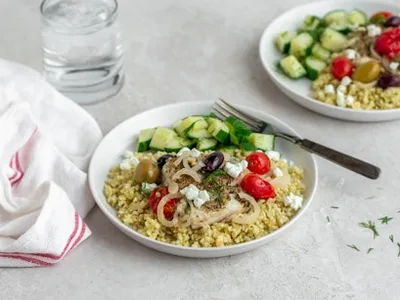
Greek-Style Oven-Baked Cod with Mediterranean Vegetables

Hot Brown Slider Melts with Roasted Snap Peas and Mint Juleps
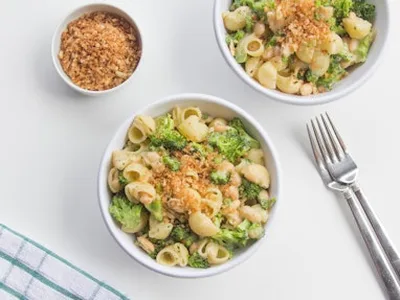
Pasta with Broccoli, White Beans and Fontina