All About Cottage Cheese
Cottage cheese is fresh cheese with a mild flavor and lumpy texture that adds protein and moisture to both sweet and savory dishes. The curds give pancakes extra fluffiness, make cheesecakes creamy without being heavy, and create tender textures in baked goods. Its 28 grams of protein per cup makes it popular for breakfast bowls and post-workout snacks.
How to Select
Look for containers with curds that hold their shape and minimal liquid pooling on top. Check the sell-by date and pick containers at least 7 days out. Small curd blends smoother in recipes while large curd adds more texture. The fresher the cottage cheese, the milder and less tangy it tastes.
How to Store
Keep cottage cheese in its original container in the coldest part of your fridge at 35-38°F. Once opened, use within 5-7 days. The cheese will develop a sour smell and watery separation when past its prime. Never freeze cottage cheese as the curds will turn grainy and watery when thawed. Transfer to an airtight container if the original seal breaks.
How to Prep
For smooth textures in cheesecakes or pancake batter, blend cottage cheese for 30-45 seconds until creamy. Drain in a fine mesh strainer for 10 minutes when making stuffed pasta or if a recipe calls for drier curds. For savory dishes, season with 0.25 teaspoon salt per cup to enhance the mild flavor. Bring to room temperature 20 minutes before baking for even mixing.
Flavor Pairings
Cottage cheese pairs well with eggs in frittatas and breakfast casseroles, where it adds creaminess without weighing down the texture. Fresh herbs like dill and chives complement its mild tang. For sweet applications, vanilla extract and honey balance any sourness. Garlic powder and black pepper turn plain cottage cheese into a quick savory spread.
Cooking Tips
Blend 1 cup cottage cheese with 2 eggs for protein pancakes that cook in 2-3 minutes per side at 350°F.
Mix cottage cheese into ground meat at a 1:4 ratio to keep burgers and meatballs moist through cooking.
Bake cottage cheese dishes at 325°F instead of 350°F to prevent curdling and maintain smooth texture.
Add cottage cheese during the last 5 minutes of cooking soups to prevent separation from high heat.
Varieties
Need a substitute? See our Best Substitutes for Cottage Cheese guide with tested ratios.
FAQ
Why does my cottage cheese get watery in cooked dishes?
High heat above 350°F causes the proteins to squeeze out moisture. Keep oven temperatures at 325°F or lower for cottage cheese casseroles. Adding 1 tablespoon flour per cup of cottage cheese helps absorb extra liquid. For stovetop cooking, remove from heat before stirring in cottage cheese and let residual warmth heat it through.
Can I substitute cottage cheese for ricotta?
Yes, but drain cottage cheese for 30 minutes first and use small curd varieties for the closest texture match. The substitution works best in lasagnas and stuffed shells where other ingredients mask texture differences. Use the same amount called for in the recipe. Cottage cheese has 40% more moisture than ricotta, so baked dishes may need 5-10 extra minutes to set properly.
How do I know when cottage cheese has gone bad?
Fresh cottage cheese smells slightly tangy like buttermilk. Spoiled cottage cheese develops a sharp, sour odor and the curds turn yellowish. After 7-10 days open, liquid separates from the curds and pools on top. Pink or green spots mean mold growth. When in doubt, taste a small amount. Bad cottage cheese tastes bitter and leaves an unpleasant aftertaste.
What's the best way to use cottage cheese in baking?
Room temperature cottage cheese mixes more evenly into batters. Take it out 30 minutes before baking. For smooth textures, process in a blender for 45 seconds first. In muffins and quick breads, replace up to half the oil with cottage cheese to cut calories by 25%. The proteins help baked goods rise higher and stay moist for 2-3 extra days.
Recipes with Cottage Cheese
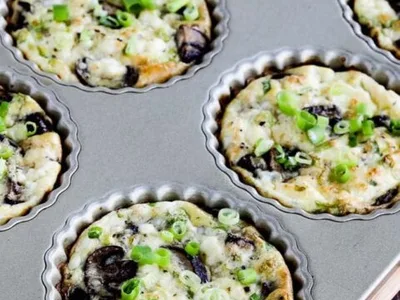
Baked Mushroom and Feta Cheese Mini Tart Frittatas
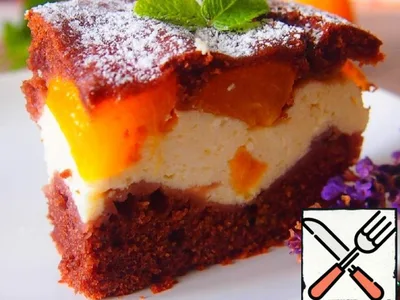
Layered Cottage Cheese Cake with Apricots
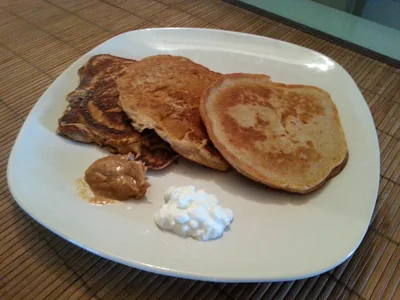
Protein Pancakes with Cottage Cheese and Oats
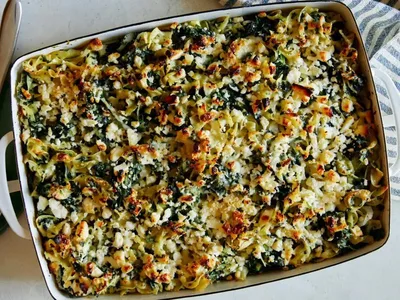
Gluten-Free Spinach Feta Noodle Kugel Baked Casserole
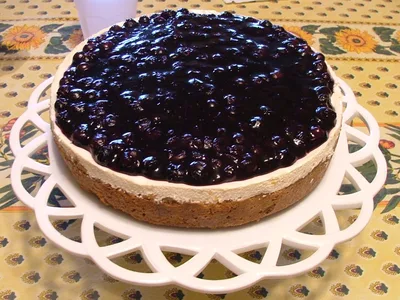
Sour Cream Cheesecake with Graham Cracker Crust