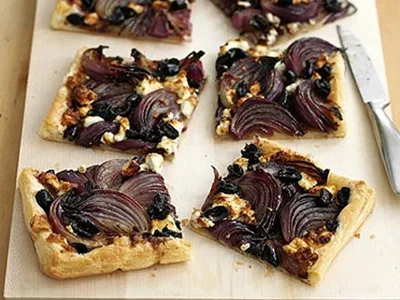
All About Feta Cheese
Feta cheese is a crumbly white cheese traditionally made from sheep's milk or a mix of sheep and goat's milk. This brined cheese brings a sharp, salty tang to dishes and crumbles into creamy chunks when fresh. Its texture ranges from soft and spreadable to firm and sliceable depending on age and moisture content. Feta works equally well melted into spinach pies, scattered raw over salads, or whipped into creamy dips.
How to Select
Look for feta stored in brine with a clean white color and no yellow spots. The cheese should feel firm but yield slightly when pressed. Avoid packages with excess liquid pooling at the bottom or cheese that looks dry and chalky. Fresh feta smells tangy and milky, never sour or ammonia-like.
How to Store
Keep feta submerged in its original brine in an airtight container in the refrigerator for up to 3 weeks after opening. If the brine runs low, make fresh brine with 1 tablespoon salt dissolved in 1 cup water. Vacuum-sealed blocks last 2-3 months unopened. Never freeze feta as it becomes grainy and loses its creamy texture. Pat dry before using to prevent excess moisture in your dish.
How to Prep
For salads and toppings, crumble feta between your fingers into 0.25 to 0.5 inch pieces. When making dips or spreads, let feta come to room temperature for 20 minutes then mash with a fork or blend until smooth. For baking, cube into 0.5 inch pieces so they hold their shape. Always taste before adding to a dish since salt levels vary between brands. Rinse under cold water for 30 seconds if too salty.
Flavor Pairings
Feta pairs beautifully with olive oil, lemon juice, and fresh herbs like oregano and mint. The saltiness balances sweet ingredients like roasted red peppers, sun-dried tomatoes, and caramelized onions. In Greek dishes, combine with spinach, dill, and eggs. For Mediterranean bowls, mix with cucumbers, olives, and red onion. The tangy cheese also cuts through rich ingredients like avocado and tahini.
Cooking Tips
Bake feta at 400°F for 15-20 minutes until edges turn golden and center stays creamy for a warm appetizer.
Add feta during the last 2 minutes of cooking to prevent it from completely melting and disappearing into the dish.
Mix 1 part feta with 2 parts Greek yogurt for a lighter spread that still packs tangy flavor.
Store leftover crumbled feta in olive oil with herbs for up to 1 week to create a flavored oil and marinated cheese.
Varieties
Need a substitute? See our Best Substitutes for Feta Cheese guide with tested ratios.
FAQ
Can I substitute feta for other cheeses?
Feta works best in recipes that call for salty, crumbly cheeses. Replace it with goat cheese for a milder flavor, ricotta salata for similar texture, or queso fresco in Mexican dishes. Use about 25% less feta than the original cheese since it packs more salt. In baked dishes like spanakopita, cottage cheese mixed with 1 teaspoon salt per cup makes an acceptable substitute.
Why does my feta taste too salty?
Feta's salt content varies from 2-5% depending on the producer and how long it ages in brine. Rinse chunks under cold water for 30-60 seconds to remove surface salt. For cooking, soak cubes in fresh water for 10 minutes, changing the water once. Greek feta tends to be saltier than French or Danish versions. Always taste before adding additional salt to your recipe.
How much feta should I buy per person?
Plan on 1-2 ounces per person for salads and toppings, or about 0.25 cup crumbled. For appetizers like baked feta, allow 3-4 ounces per person. A standard 7-ounce block serves 4-6 people as a salad topping or 2-3 as a main component. One cup of crumbled feta equals approximately 5 ounces. Buy 20% extra to account for tasting and any that crumbles too finely during prep.
Recipes with Feta Cheese

Cauliflower Crust Pizza with Hummus and Fresh Toppings

Chicory Pomegranate Feta Salad with Red Wine Vinaigrette
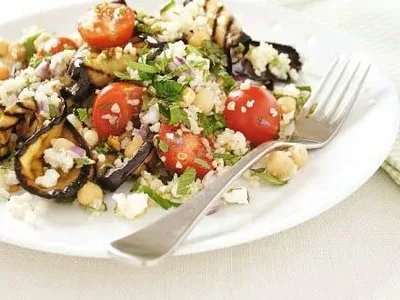
Feta Tabbouleh with Charred Aubergines

Gluten Free Greek Spinach Feta Pastries with Chebe Dough

Gluten-Free Spinach Feta Noodle Kugel Baked Casserole