All About Flaky Sea Salt
Flaky sea salt forms pyramid-shaped crystals through natural evaporation of seawater. The crystals crunch between your teeth and dissolve slowly on your tongue. Unlike table salt that disappears into food, flaky sea salt sits on top, adding bursts of saltiness and textural contrast. Home cooks reach for it to finish chocolate chip cookies, grilled meats, caramel desserts, and fresh tomatoes.
How to Select
Look for crystals that measure 2-4mm wide with visible pyramid shapes. The flakes should feel dry and separate easily between your fingers. Check the label for harvest location. Maldon from Essex costs $6-8 per 8.5oz box. Jacobsen from Oregon runs $8-10 per 4oz jar. Avoid boxes where crystals have crushed into powder at the bottom.
How to Store
Keep flaky sea salt in its original box or transfer to an airtight glass jar. Store at room temperature away from steam and heat. The crystals stay fresh for 5 years but may clump in humidity above 70%. Place a few grains of rice in the container to absorb moisture. Never refrigerate. The cold causes condensation that dissolves the delicate flakes.
How to Prep
Pinch flakes between thumb and forefinger, holding your hand 8-10 inches above the food. Let crystals fall naturally for even coverage. For baking, sprinkle on cookies during the last 2 minutes in the oven. On grilled meats, add immediately after removing from heat while surface temperature exceeds 140°F. The residual heat slightly melts the edges without dissolving the crystals completely.
Flavor Pairings
Flaky sea salt amplifies sweetness in caramel, chocolate, and maple syrup. The crunch contrasts with creamy textures like burrata, avocado, and soft-scrambled eggs. Sprinkle on acidic ingredients like tomatoes, watermelon, and citrus to balance their tang. Works especially well with rich fats like olive oil and butter where the crystals slowly dissolve into pockets of saltiness.
Cooking Tips
Add flaky salt to chocolate chip cookies 2 minutes before the 12-minute bake time ends for perfect adhesion.
Grind 1 tablespoon flaky salt with 2 tablespoons dried herbs to make a finishing salt that stores 6 months.
Sprinkle on steaks within 30 seconds of removing from a 450°F grill to prevent crystals from bouncing off.
Mix 1 part flaky salt with 3 parts turbinado sugar for rim salt that crunches on margarita glasses.
Varieties
FAQ
Can I substitute regular salt for flaky sea salt?
Not for finishing. Table salt measures 2,300mg sodium per teaspoon while flaky sea salt contains 1,920mg per teaspoon due to air gaps between crystals. The textures differ completely. Table salt dissolves instantly while flaky crystals provide 3-5 seconds of crunch. For cooking inside dishes, substitute at a 1:1 ratio. For finishing, nothing replaces the texture.
Why does flaky sea salt cost more than regular salt?
Production takes 12-18 months of natural evaporation versus 2 days for refined table salt. Workers hand-rake crystals from evaporation pans only on days with less than 30% humidity. One ton of seawater yields just 35 pounds of flaky salt. Maldon's facility produces 200 tons annually compared to Morton's 4 million tons of table salt.
Should I use flaky salt while cooking or just for finishing?
Save it for finishing. At $0.75-1.25 per ounce, flaky salt costs 10 times more than kosher salt. The delicate crystals dissolve completely in liquids above 80°F, losing their signature texture. Use kosher salt for pasta water, soups, and marinades. Reserve flaky salt for the final sprinkle where you taste and feel each crystal.
How much flaky salt should I use on different foods?
Use 1/8 teaspoon per cookie, 1/4 teaspoon per 8oz steak, and 1/2 teaspoon per pound of roasted vegetables. Start with half these amounts and adjust. The crystals taste saltier than fine salt because they hit your tongue in concentrated bursts. One 8.5oz box contains about 170 pinches, enough to finish 200 dishes.
Recipes with Flaky Sea Salt

Gluten Free Chocolate Chip Cranberry Oatmeal Cookies

Keto Butterscotch Cookies with Almond Flour and Sugar-Free Chips
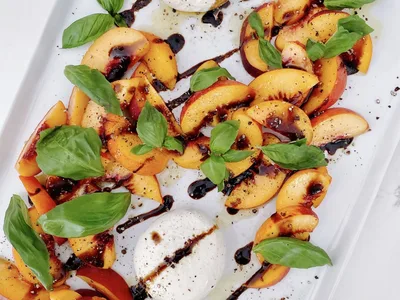
Peach Caprese Salad with Burrata Cheese
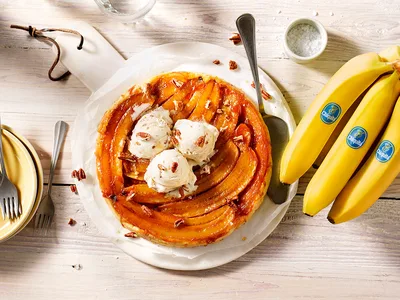
Salted Banana Caramel Tatin with Ice Cream

Salted Maple Walnut Pretzel Cookies with Sweet Glaze