All About Hot Sauce
Hot sauce is a liquid condiment made from chili peppers, vinegar, and salt that adds heat, acidity, and depth to dishes. A few drops can wake up eggs, soups, or fried foods. Beyond heat, hot sauce contributes tangy brightness from vinegar and savory complexity from fermented peppers. Most bottles contain 5-15% chili solids suspended in vinegar, with heat levels ranging from 200 to over 2 million Scoville units.
How to Select
Check the ingredient list first. Good hot sauces list peppers, vinegar, and salt in the first three ingredients. Avoid bottles with artificial colors or thickeners like xanthan gum. Color tells you heat level: green sauces use mild jalapeños, orange means habanero heat, red indicates cayenne or tabasco peppers. Shake the bottle. You want to see pepper particles moving freely, not a thick sludge.
How to Store
Keep unopened bottles in a cool pantry for up to 3 years. Once opened, vinegar-based sauces last 6 months at room temperature or 2 years in the fridge. Fermented sauces like Tabasco never need refrigeration. Store bottles upright to prevent cap corrosion. Fruit-based or creamy sauces spoil faster, lasting only 3-4 months refrigerated. If sauce separates, darkens significantly, or develops mold, toss it.
How to Prep
Shake bottles before using to redistribute settled pepper solids. For cooking, add hot sauce at two points: half during cooking for depth, half at the end for brightness. When making buffalo sauce, whisk 1/2 cup hot sauce into 4 tablespoons melted butter over low heat. For marinades, use 1 tablespoon hot sauce per pound of meat. Always taste as you go since heat levels vary between brands and batches.
Flavor Pairings
Hot sauce loves fat, which tames its heat and carries flavor. Butter creates buffalo sauce, mayonnaise makes spicy aioli, and olive oil turns it into a finishing drizzle. Garlic and hot sauce appear together in 80% of Southern recipes. Sweet ingredients like honey or brown sugar balance the heat. Worcestershire adds umami depth to hot sauce in Bloody Marys and shrimp dishes.
Cooking Tips
Add 1/4 teaspoon hot sauce per egg when scrambling for gentle heat without overpowering.
Mix equal parts hot sauce and honey at 1:1 ratio for glazing grilled chicken wings.
Reduce hot sauce by half over medium heat for 5 minutes to concentrate flavors before adding to mayo.
Use 1 tablespoon hot sauce per cup of flour when dredging fried foods for built-in heat.
Varieties
Need a substitute? See our Best Substitutes for Hot Sauce guide with tested ratios.
FAQ
How do I tone down a dish that's too spicy from hot sauce?
Add dairy first. One tablespoon of sour cream neutralizes heat from 1 teaspoon hot sauce. Sugar works too at a ratio of 1/2 teaspoon per teaspoon of sauce. For soups, add 1/4 cup cream per cup of liquid. Acidic ingredients like lemon juice make heat worse. Never add water, which spreads capsaicin around your mouth. Serving temperature matters too. Hot foods taste spicier than room temperature ones.
Can I substitute one hot sauce for another in recipes?
Match heat levels first, then flavor profiles. Tabasco packs 2,500 Scoville units while sriracha has 2,200, making them even swaps for heat. Frank's RedHot at 450 Scoville units needs doubling to match Tabasco's kick. Vinegar-forward Louisiana sauces work in different recipes than thick, garlicky sriracha. Start with half the called-for amount when substituting and adjust upward.
Why does my homemade hot sauce separate?
Separation happens when pepper solids settle out of vinegar after 2-3 days. Commercial producers add 0.1% xanthan gum as stabilizer. For homemade sauce, blend ingredients for a full 2 minutes at high speed. Adding 1/4 teaspoon salt per cup helps suspension. Store in narrow bottles rather than wide jars to minimize settling. Some separation is normal. Just shake before using.
Does hot sauce lose potency over time?
Capsaicin stays stable for years, but bright pepper flavor fades after 6-8 months. Refrigerated sauce keeps its punch twice as long as pantry storage. You'll notice color changes first. Red sauces turn brownish after a year. Green sauces go olive-colored in 6 months. The heat remains, but fresh pepper taste disappears. For best flavor, use opened bottles within 6 months.
Recipes with Hot Sauce
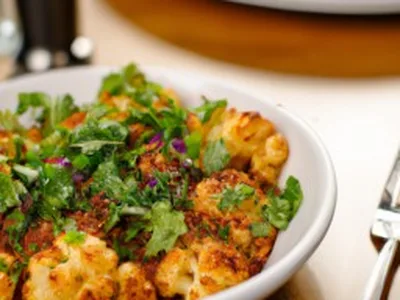
Garlicky Cajun Cauliflower with Hot Sauce
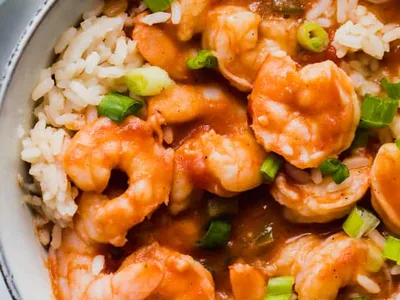
Creole Shrimp Étouffée with Golden Roux and Holy Trinity
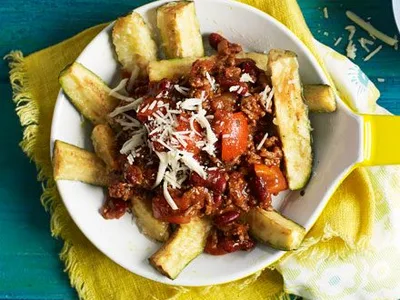
Crispy Chilli Cheesy Courgette Chips with Beef Chilli
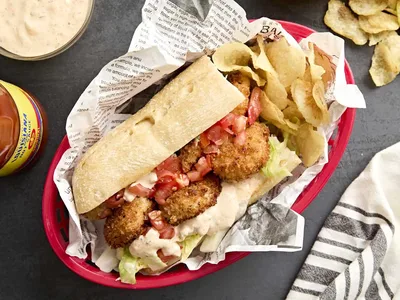
Crispy Fried Shrimp Po' Boys with Creole Remoulade
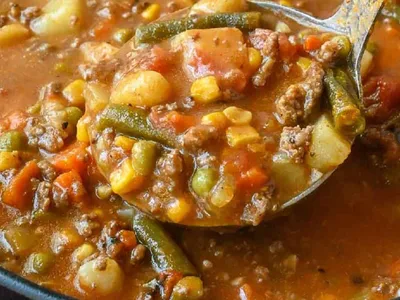
Hobo Stew with Ground Beef and Vegetables