All About Huevos
Eggs form the foundation of countless dishes across Spanish, Mexican, and French cooking. They bind batters, create custards, leaven cakes, and thicken sauces. Fresh eggs taste clean and slightly sweet. Their proteins coagulate at 140-185°F, turning liquid into tender curds or firm whites. A single large egg weighs about 50 grams and contains 6 grams of protein.
How to Select
Choose eggs with clean, uncracked shells. Open the carton to check each one. Fresh eggs sink in water. Old ones float. The best eggs have thick whites that hold their shape when cracked onto a plate. Avoid eggs past their sell-by date or those stored above 45°F.
How to Store
Keep eggs in their original carton on a refrigerator shelf, not the door. The carton prevents odor absorption and moisture loss. Fresh eggs last 3-5 weeks refrigerated. Hard-boiled eggs keep 1 week. Raw whites freeze well for up to 12 months. Yolks need sugar or salt mixed in before freezing. Room temperature eggs incorporate better in batters, so pull them out 30 minutes before baking.
How to Prep
Separate eggs while cold by cracking against a flat surface, then passing the yolk between shell halves. Room temperature whites whip to 8 times their volume. Beat whole eggs for 2-3 minutes until pale yellow for cakes. Temper eggs by adding hot liquid slowly while whisking to prevent curdling. One tablespoon of vinegar per quart of water helps poached eggs hold together.
Flavor Pairings
Eggs pair naturally with dairy in custards and quiches. Sugar turns them into meringues and soufflés. Butter enriches scrambled eggs and omelets. Spanish cooks combine eggs with potatoes in tortilla española. Mexican dishes layer eggs with salsa and tortillas. French preparations marry eggs with cream and herbs.
Cooking Tips
Soft-boiled eggs need 6 minutes in boiling water, hard-boiled take 12 minutes.
Scrambled eggs cook best at medium-low heat, stirring every 30 seconds until just set.
Beat 3 egg whites with 1/4 teaspoon cream of tartar for stable meringue that won't weep.
Bake custards at 325°F in a water bath until centers jiggle slightly, about 45 minutes.
Varieties
FAQ
Why do some recipes call for room temperature eggs?
Room temperature eggs blend more easily into batters and create better emulsions. Cold eggs can cause butter to seize up and create lumps. They also whip to greater volume. Pull eggs from the fridge 30 minutes before use, or place whole eggs in warm water for 5-10 minutes. Room temperature means about 68-70°F.
How can I tell if an egg is still good?
Place the egg in a bowl of water. Fresh eggs sink and lie flat. Week-old eggs stand on one end. Eggs over 3 weeks old float and should be discarded. The air pocket inside grows larger as eggs age, causing them to float. You can also crack an egg onto a plate. Fresh eggs have thick, cloudy whites that stay close to the yolk. Old eggs spread thin and watery.
What's the difference between white and brown eggs?
Shell color depends on the hen's breed, not quality or nutrition. White Leghorns lay white eggs. Rhode Island Reds lay brown eggs. Both contain identical nutrition, about 70 calories and 6 grams protein per large egg. Brown eggs often cost more because brown-egg breeds eat more feed. Some cooks claim brown eggs have richer yolks, but diet affects yolk color more than shell color.
Can I substitute different egg sizes in recipes?
Most recipes assume large eggs at 50 grams each. For precise baking, weigh your eggs. Two large eggs equal 100 grams. Three medium eggs roughly equal two large eggs. Five large eggs can replace four extra-large eggs. When recipes call for 4 or more eggs, size matters more. Adjust liquid ingredients by 1-2 tablespoons if using different sizes.
Recipes with Huevos
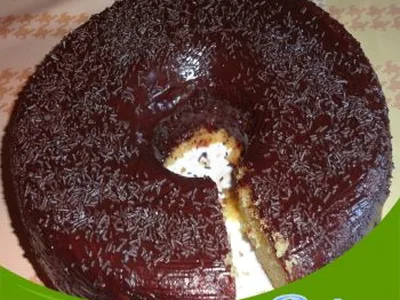
Lemon Yogurt Cake with Chocolate Ganache

Thermomix Carrot Cake with White Chocolate Glaze
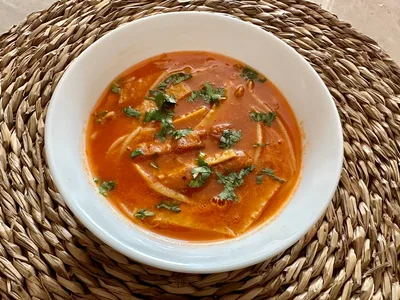
Chinese Restaurant Tomato Soup with Egg Ribbons
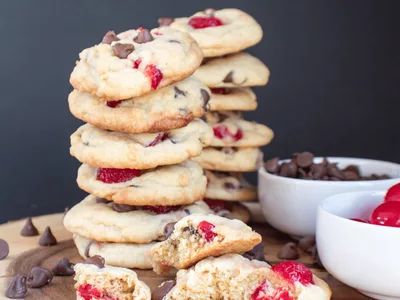
Chocolate Chip Maraschino Cherry Cookies
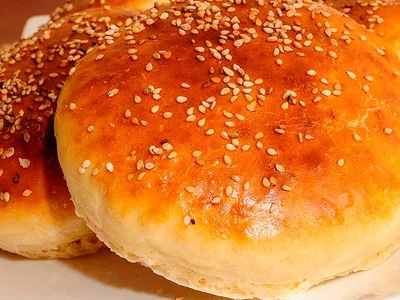
Gluten-Free Hamburger Buns with Sesame Seeds