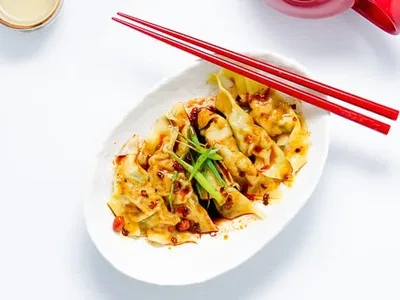
All About Light Soy Sauce
Light soy sauce is the workhorse of Chinese cooking, a thin, salty liquid made from fermented soybeans and wheat. It seasons everything from stir-fries to dumplings without darkening the food like its cousin, dark soy sauce. The sodium content runs around 920mg per tablespoon. Think of it as liquid salt with umami depth that adds savory backbone to marinades, dipping sauces, and soups.
How to Select
Look for bottles labeled "light" or "thin" soy sauce, not "low sodium." Chinese brands like Pearl River Bridge or Lee Kum Kee deliver authentic flavor. Check the ingredients list for soybeans, wheat, salt, and water. Avoid bottles with caramel coloring or corn syrup. A good bottle costs $2-5 for 500ml.
How to Store
Keep unopened bottles in a cool pantry for up to 3 years. Once opened, store in the fridge door where it stays good for 2 years. The cold slows oxidation that dulls flavor. No need to transfer to another container. The original bottle works fine. Room temperature storage after opening cuts quality within 6 months. You'll notice the color darkening and taste becoming harsh.
How to Prep
Measure light soy sauce straight from the bottle into your dish. For marinades, mix 2 parts soy sauce with 1 part sugar and 1 part rice wine for balance. When making dipping sauce, dilute with equal parts water and add a pinch of sugar. For stir-fries, have your tablespoon ready by the stove. Add it in the last 30 seconds of cooking to preserve the fresh, salty flavor.
Flavor Pairings
Light soy sauce loves sesame oil, creating the base for countless Chinese sauces when mixed 3:1. Sugar balances its saltiness in marinades and glazes. Garlic and spring onions become aromatic when sautéed with a splash of soy sauce. Rice wine or shaoxing wine cuts through the salt. Cornstarch mixed with soy sauce creates glossy stir-fry sauces that coat ingredients evenly.
Cooking Tips
Add light soy sauce in the last 30 seconds of stir-frying to prevent burning at wok temperatures above 400°F.
Mix 1 tablespoon soy sauce with 1 teaspoon cornstarch and 2 tablespoons water for glossy stir-fry sauce.
Season soups with 1 teaspoon per cup of broth, tasting as you go since brands vary in saltiness by 15-20%.
Marinate meat for 30 minutes max since longer makes the surface too salty and changes the texture.
Varieties
FAQ
What's the difference between light and dark soy sauce?
Light soy sauce is thinner, saltier, and used for seasoning. It contains about 920mg sodium per tablespoon. Dark soy sauce gets aged longer with molasses added, making it thicker, sweeter, and perfect for color. Use light for flavor, dark for color. Most stir-fries need 2 tablespoons light to 1 teaspoon dark for balanced taste and appearance.
Can I substitute regular salt for light soy sauce?
Not directly. One tablespoon of light soy sauce equals about 1/4 teaspoon table salt in sodium content, but you lose the fermented umami flavor. For emergency substitution in stir-fries, use 1/4 teaspoon salt plus a splash of fish sauce or Worcestershire. The dish won't taste the same but will have similar saltiness. Better to keep a bottle handy since it lasts 2 years in the fridge.
Why does my soy sauce smell weird after a few months?
Oxidation changes the flavor after opening, especially if stored at room temperature. Fresh soy sauce smells clean and salty. Old soy sauce develops sharp, almost metallic notes. While safe to eat for up to 2 years refrigerated, the quality drops after 6 months at room temp. Those white crystals forming around the cap are salt deposits, totally normal.
How much soy sauce is too much in a recipe?
Most stir-fry recipes for 4 servings use 2-3 tablespoons total, which adds about 460mg sodium per serving. Your daily limit is 2,300mg. Taste as you cook since saltiness compounds with other ingredients like oyster sauce (900mg per tablespoon) or stock cubes. Start with 75% of the recipe amount and adjust. Over-sauced food tastes one-dimensional and too salty to fix.
Recipes with Light Soy Sauce

Garlic Sesame Dressing Chinese Style
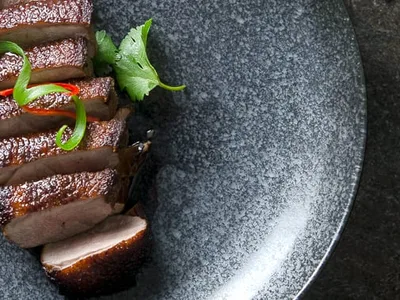
Green Tea-Smoked Duck Breasts with Aromatic Spices
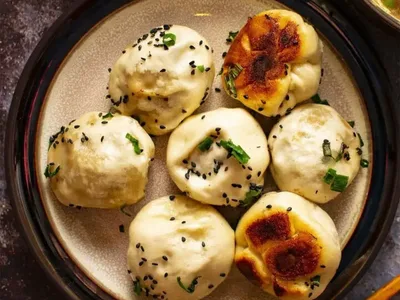
Pan-Fried Pork Buns with Soupy Center
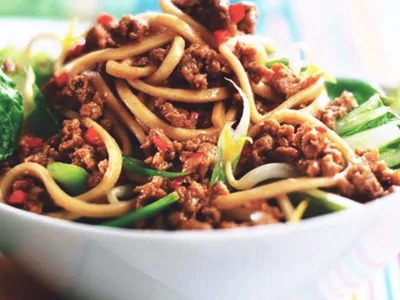
Quorn Mince Singapore Noodles with Hoisin and Chilli