All About Milk
Milk forms the foundation of countless dishes, from tender pancakes to creamy bechamel sauce. This dairy staple adds moisture to batters, creates silky custards, and brings fat that carries flavors throughout your cooking. Fresh milk contains about 87% water, 3.5% fat in whole milk, and proteins that help baked goods brown beautifully at 350°F.
How to Select
Check the sell-by date first, choosing bottles with dates at least 5 days out. Give the jug a gentle shake. Fresh milk moves smoothly without chunks or separation. The plastic should feel cold throughout, not just at the bottom. Avoid containers with bulging sides or damaged seals.
How to Store
Keep milk at 38°F to 40°F in your refrigerator's main compartment, not the door where temperatures fluctuate. Once opened, use within 5 to 7 days. Unopened milk stays fresh until the sell-by date plus 5 days if properly refrigerated. Store in the original container. Glass bottles preserve flavor better than plastic but cost more. Never freeze milk for drinking, though frozen milk works fine in baking.
How to Prep
Bring milk to room temperature, about 70°F, for baking by setting it out 30 minutes before use. This helps batters mix smoothly. For scalded milk, heat to 180°F until tiny bubbles form around edges. Warm milk to 110°F for yeast breads. A thermometer prevents overheating. Stir constantly when heating to avoid scorching. For buttermilk substitute, add 1 tablespoon lemon juice per cup of milk and let sit 5 minutes.
Flavor Pairings
Milk's mild sweetness complements vanilla extract in custards and cakes. It balances cocoa's bitterness in hot chocolate and brownies. Eggs and milk create the custard base for French toast and bread pudding. In savory dishes, milk mellows garlic and onions in cream soups. It carries the heat in spiced chai and helps dissolve sugar in caramel sauce at 338°F.
Cooking Tips
Add 1 tablespoon milk to scrambled eggs per egg for creamier texture. Cook over medium-low heat at 250°F.
Prevent curdling by adding acidic ingredients like lemon juice after removing milk from heat.
For thicker sauces, use a 1:1 ratio of butter to flour, then add milk gradually while whisking.
Whole milk steams best for coffee drinks at 150°F to 160°F. Higher temperatures destroy sweetness.
Varieties
Need a substitute? See our Best Substitutes for Milk guide with tested ratios.
FAQ
Can I substitute different milk types in baking?
Yes, but expect texture changes. Whole milk creates the most tender crumb due to its 3.25% fat content. Using 2% milk reduces calories by about 20 per cup but may yield slightly drier results. Skim milk works but produces noticeably less tender baked goods. For best results with lower-fat milk, add an extra tablespoon per cup used.
Why does my milk curdle when I add it to hot coffee or soup?
Temperature shock and acidity cause curdling. Coffee's pH of 5 and hot temperatures above 180°F denature milk proteins. Prevent this by warming milk to 140°F before adding. Pour coffee into milk rather than milk into coffee. For soups, temper the milk by whisking in a ladle of hot soup before adding the warmed milk back to the pot.
How long can milk sit out?
Milk stays safe at room temperature for 2 hours maximum. Above 40°F, bacteria double every 20 minutes. In summer heat above 90°F, limit exposure to 1 hour. Milk left out overnight must be discarded. When baking, measure milk first if you need room temperature dairy. Return the carton to the fridge immediately.
What's the difference between scalded and boiled milk?
Scalded milk reaches 180°F with small bubbles forming around edges but no rolling boil. This temperature denatures whey proteins that can weaken gluten in bread dough. Boiled milk hits 212°F with vigorous bubbling, which creates a skin and can scorch. Most modern recipes skip scalding since today's pasteurized milk lacks the enzymes that once interfered with yeast.
Recipes with Milk
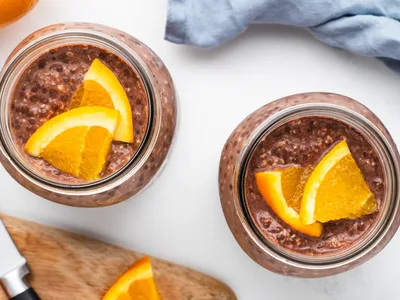
Chocolate Orange Overnight Oats Recipe
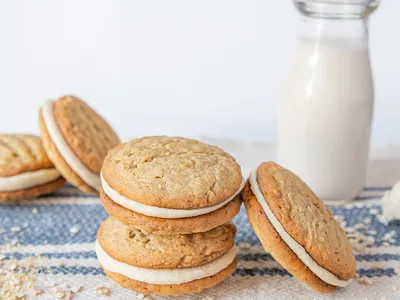
Copycat Girl Scout Do-Si-Dos Peanut Butter Sandwich Cookies

Homemade Cake Pops with Almond Bark Coating
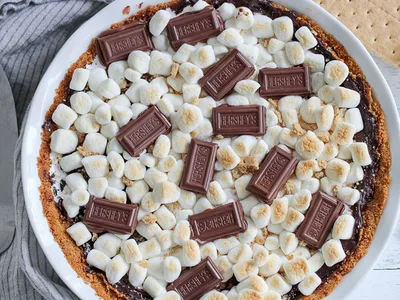
No-Bake S'mores Pie with Broiled Marshmallows and Graham Crust

Sausage and Potato Skillet Frittata with Broiler Finish