All About Milk Of Choice
Milk alternatives have become kitchen staples, from almond to oat to cashew. Each type brings its own fat content, protein level, and flavor profile to recipes. In baking, they provide moisture and help activate leavening agents. In smoothies and coffee drinks, they add creaminess and body. The right milk can make pancakes tender, mug cakes moist, or turn your morning coffee into a cafe-style drink.
How to Select
Check the expiration date first. Shake the carton gently to feel for separation or chunks. Plant milks should pour smoothly without lumps. For dairy milk, sniff the opening if possible. Sour smell means it's past prime. Choose unsweetened versions for cooking unless your recipe specifically calls for sweetened.
How to Store
Unopened shelf-stable milk lasts 6-12 months in the pantry. Once opened, refrigerate immediately and use within 7-10 days. Dairy milk stays fresh 5-7 days past opening. Keep milk on a shelf, not the door where temperature fluctuates. Store in original container with cap tightly sealed. Almond and oat milk separate naturally, so shake before each use.
How to Prep
Bring milk to room temperature for baking by leaving it out 30-45 minutes or microwaving 15-20 seconds. This prevents curdling when mixed with acidic ingredients. For frothing, heat to 140-155°F. Cashew milk blends smoothest in recipes without heating. When substituting plant milk for dairy, use a 1:1 ratio but expect slightly different textures in baked goods.
Flavor Pairings
Vanilla extract enhances any milk's natural sweetness. Cinnamon and maple syrup complement oat milk's grain notes. Almond milk pairs beautifully with coconut flour and chia seeds in healthy baking. Cashew milk's neutral flavor works with both sweet and savory dishes. Eggs and butter balance plant milks' lighter texture in traditional baking.
Cooking Tips
Heat milk to 180°F for yogurt-making or 140°F for perfect coffee foam without scorching.
Add 1 tablespoon vinegar to 1 cup plant milk for instant buttermilk substitute in 5 minutes.
Use full-fat coconut milk when recipes need heavy cream consistency, thinning with water as needed.
Prevent curdling by adding milk slowly to hot mixtures, stirring constantly at medium heat.
Varieties
FAQ
Can I substitute plant milk in any baking recipe?
Yes, use a 1:1 ratio for most recipes. Cakes and muffins work perfectly. For recipes relying on milk fat like custards, add 1 tablespoon oil per cup of plant milk. Bread recipes may need 10-15% less plant milk since it's thinner than dairy. Test your batter consistency and adjust with 1-2 tablespoons more milk if needed.
Why does my almond milk curdle in coffee?
Temperature shock and acidity cause curdling. Heat your almond milk to 140°F before adding to coffee. Pour coffee into milk rather than milk into coffee. Choose barista-blend versions with added stabilizers, or switch to oat milk which handles heat better. Adding milk to coffee below 140°F reduces curdling risk by 75%.
How long can I leave milk out while baking?
Dairy milk stays safe at room temperature for 2 hours maximum. Plant milks can sit out 4-6 hours thanks to pasteurization and lower protein content. For baking prep, 30-45 minutes brings milk to ideal 65-70°F temperature. In hot kitchens above 80°F, cut these times in half.
Which milk froths best for lattes?
Oat milk creates the densest, longest-lasting foam due to its 4-5% fat content and natural emulsifiers. Heat to 140-150°F and froth for 30-45 seconds. Barista blends contain added proteins that improve foam stability by 40%. Almond milk needs vigorous frothing for 60 seconds. Coconut milk requires the canned version, not carton, for proper foam.
Recipes with Milk Of Choice

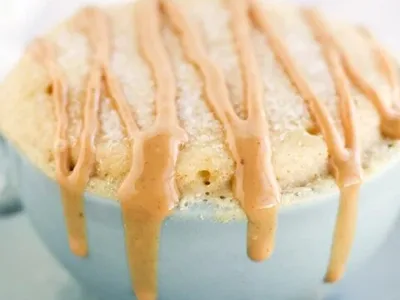
60-Second Peanut Butter Protein Mug Cake

Aeropress Cinnamon Spiced Winter Coffee

Creamy Strawberry Banana Smoothie Recipe

Gluten-Free Oat Banana Pancakes with Greek Yogurt
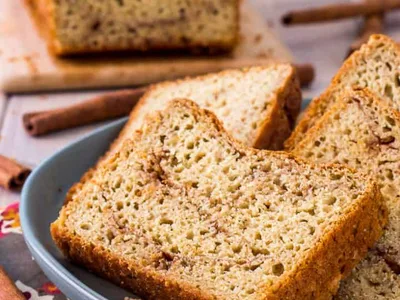
Gluten Free Pumpkin Cinnamon Swirl Quick Bread