All About Oil
Oil serves as the workhorse of your kitchen, creating the slippery surface that prevents sticking and the hot medium that transforms raw ingredients into golden, crispy results. Different oils bring distinct flavors and smoke points to your cooking. Neutral oils like vegetable or canola disappear into dishes at 400-450°F, while olive oil adds fruity notes but starts smoking around 375°F.
How to Select
Check the harvest or best-by date on bottles. Fresh oil looks clear without cloudiness or sediment. Olive oil should smell grassy or peppery when you unscrew the cap. Dark glass bottles protect oil better than clear plastic. Buy sizes you'll use within 3 months once opened.
How to Store
Keep opened bottles in a cool, dark cupboard away from the stove. Oil lasts 3-6 months after opening, or up to 2 years unopened. Olive oil turns solid in the fridge but liquefies at room temperature. Store nut oils like walnut or sesame in the refrigerator after opening to prevent rancidity within 2 months. Rancid oil smells like crayons or old paint.
How to Prep
Heat oil until it shimmers and flows like water before adding food, about 2-3 minutes over medium heat. Test readiness with a wooden spoon handle. Small bubbles should form immediately around the wood. For deep frying, use a thermometer to reach 350-375°F. Measure oil in a liquid measuring cup at eye level for accuracy. Pat food dry before adding to hot oil to reduce dangerous splattering.
Flavor Pairings
Olive oil enhances garlic, lemon juice, and tomatoes in Mediterranean cooking. Sesame oil intensifies soy sauce and ginger in Asian stir-fries. Coconut oil complements turmeric and curry spices. Neutral oils let delicate flavors like eggs and fish shine through without competing.
Cooking Tips
Add 1 tablespoon oil to pasta water to prevent boiling over and sticking.
Mix equal parts oil and butter for sautéing to get butter flavor with a higher 400°F smoke point.
Heat oil for 30 seconds before adding aromatics like garlic to prevent burning.
Use 1 cup oil per pound of food when shallow frying for even browning.
Varieties
Need a substitute? See our Best Substitutes for Oil guide with tested ratios.
FAQ
How much oil should I use for different cooking methods?
Use 1-2 tablespoons for sautéing in a 12-inch skillet. Stir-fries need 2-3 tablespoons in a wok. Deep frying requires enough oil to submerge food completely, typically 4-6 cups in a heavy pot. For roasting vegetables, toss with 1 tablespoon oil per sheet pan. Salad dressings follow a 3:1 ratio of oil to acid.
Why does my oil smoke and smell bad?
Oil smokes when heated past its smoke point. Olive oil starts smoking at 375°F while vegetable oil handles 450°F. Reduce heat immediately when you see wisps of smoke. Burnt oil tastes bitter and contains harmful compounds. If oil smells like crayons or tastes metallic without heating, it has gone rancid from age or light exposure. Throw it out.
Can I reuse frying oil?
Strain cooled oil through cheesecloth or a coffee filter to remove food particles. Store in an airtight container for up to 3 uses or 1 month. Each use lowers the smoke point by 50-100°F. Stop reusing when oil looks dark, smells fishy, or foams excessively. Label containers with the food fried and number of uses.
What's the difference between refined and unrefined oils?
Unrefined oils keep their original flavor and color but have lower smoke points around 320-375°F. Refined oils undergo processing to remove impurities, creating neutral flavors and higher 400-450°F smoke points. Choose unrefined for dressings and low-heat cooking. Pick refined for frying and high-heat searing.
Recipes with Oil
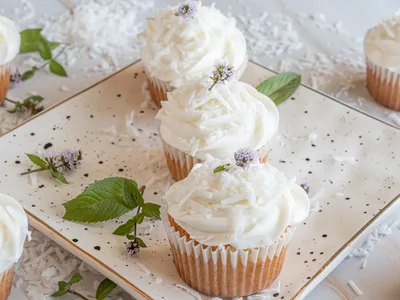
Coconut Cupcakes with Fluffy Coconut Frosting
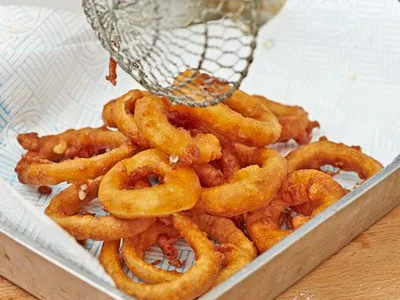
Crispy Beer-Battered Pickled Onion Rings
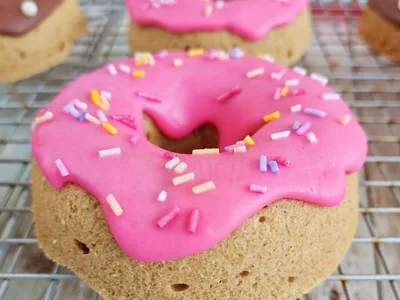
Gluten Free Ring Doughnuts with Nutmeg

Grilled Steak Bibimbap Bowls with Runny Egg