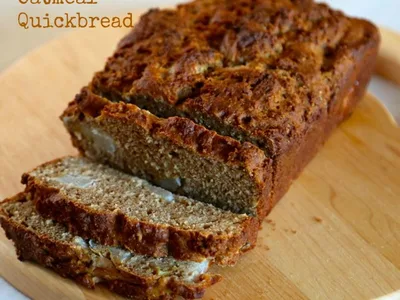
All About Quick Oats
Quick oats are rolled oats cut into smaller pieces, cooking in 1-2 minutes instead of 5. They're the same whole grain as old-fashioned oats, just processed thinner. In baking, they add chewy texture to cookies and moisture to quick breads. Raw, they bind no-bake treats. Their fine texture makes them ideal for grinding into oat flour.
How to Select
Buy quick oats in sealed containers or bags. Check the expiration date. Look for uniform, pale tan flakes without powder or dust at the bottom. Avoid packages with visible moisture or clumping. One pound typically costs $2-4.
How to Store
Store unopened quick oats in a cool, dry pantry for up to 2 years. Once opened, transfer to an airtight container. They'll stay fresh 6-12 months at room temperature or 2 years in the freezer. In humid climates, refrigerate opened oats to prevent rancidity. Glass jars or plastic containers with tight lids work best.
How to Prep
For baking, use quick oats straight from the package. To make oat flour, pulse 1 cup oats in a food processor for 30-60 seconds until powdery. For toasted oats, spread on a baking sheet and bake at 350°F for 8-10 minutes, stirring once. Toasting adds nutty flavor but isn't necessary for most recipes. One cup whole oats yields about 3/4 cup flour.
Flavor Pairings
Quick oats pair naturally with cinnamon, brown sugar, and vanilla in cookies and bars. Peanut butter and chocolate create classic no-bake combinations. Dried fruits like cranberries add chewiness. Nuts provide crunch contrast. Salt enhances sweetness in baked goods. Butter adds richness while eggs bind ingredients together.
Cooking Tips
Mix 1 part quick oats with 2 parts liquid for stovetop oatmeal that cooks in 90 seconds.
Replace up to 1/3 of flour with ground oats in cookie recipes for added fiber and chewiness.
Toast oats at 350°F for 8-10 minutes before adding to granola or cookie dough for deeper flavor.
Use a 3:2:1 ratio of oats to nut butter to honey for no-bake energy balls that hold together.
FAQ
Can I substitute quick oats for old-fashioned oats in recipes?
Yes, in most cases. Quick oats work fine in cookies, bars, and no-bake treats. They absorb liquid faster due to their smaller size. In recipes where texture matters, like granola or oatmeal cookies where you want distinct oat pieces, old-fashioned oats work better. For baking, use a 1:1 substitution. Quick oats may make the final product slightly softer or more cake-like.
How do I make oat flour from quick oats?
Process 1 cup quick oats in a blender or food processor for 30-60 seconds until you have a fine powder. Sift through a mesh strainer to remove larger pieces. One cup oats yields about 3/4 cup flour. Store homemade oat flour in an airtight container for up to 3 months. Use within 1 week for best flavor. You can replace up to 1/3 of all-purpose flour with oat flour in most recipes.
Why do my no-bake oat cookies turn out crumbly?
Crumbly texture usually means too many dry ingredients or not enough binding liquid. Use a 3:2:1 ratio of oats to nut butter to liquid sweetener. Let the mixture rest 5 minutes before shaping so oats absorb moisture. Chill formed balls for 30 minutes to set properly. If still crumbly, add 1-2 tablespoons more nut butter or honey.
What's the difference between instant oats and quick oats?
Quick oats are rolled thinner than old-fashioned but still maintain their shape, cooking in 1-2 minutes. Instant oats are pre-cooked, dried, and rolled even thinner, often with added salt or sugar. They cook in 30-60 seconds but turn mushy faster. For baking, quick oats provide better texture. Instant oats work poorly in cookies and bars because they dissolve too quickly.
Recipes with Quick Oats
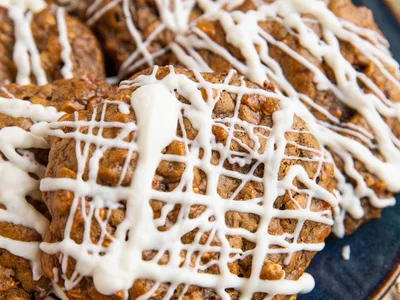
Chewy Almond Butter Ginger Molasses Cookies
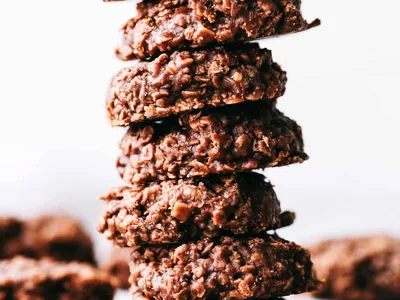
Classic No-Bake Chocolate Peanut Butter Oat Cookies
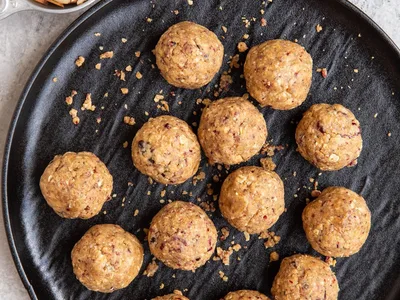
No-Bake Cranberry Almond Protein Balls
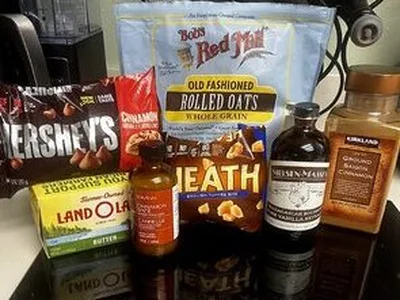
Humphrey's Triple Cinnamon Oatmeal Blondies
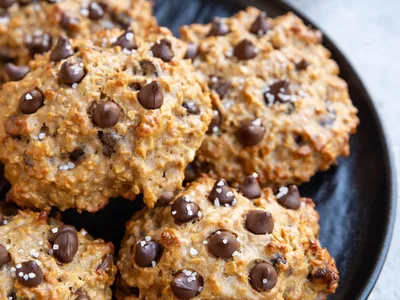
Protein-Packed Peanut Butter Oat Cookies