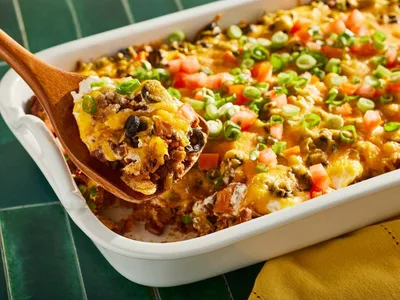
All About Salsa
Salsa brings acid, heat, and fresh flavor to any plate. This chunky sauce made from tomatoes, onions, chilies, and cilantro works as both condiment and cooking ingredient. Mexican restaurants keep it simple with raw pico de gallo or smooth restaurant-style blends. American kitchens reach for jarred versions that last 4 weeks after opening. Fresh salsa needs eating within 5 days.
How to Select
Check the ingredient list first. Good jarred salsa lists tomatoes, onions, jalapeños, vinegar, and salt in the first 5 ingredients. Avoid brands with more than 140mg sodium per 2-tablespoon serving. Fresh salsa should look bright red with visible vegetable chunks, not watery or separated.
How to Store
Unopened jars keep 18 months in the pantry. Once opened, refrigerate and use within 4 weeks. Store fresh salsa in glass containers, not plastic, which absorbs flavors. Homemade salsa lasts 5 to 7 days refrigerated. Never leave salsa at room temperature more than 2 hours. Freeze extra salsa in ice cube trays for 3-month storage.
How to Prep
Drain jarred salsa in a fine mesh strainer for 30 seconds before adding to hot dishes. This prevents watery casseroles. For smooth consistency, pulse 1 cup salsa in a blender 3 to 4 times. Mix equal parts salsa and sour cream for a quick crema. Reduce sodium by rinsing jarred salsa under cold water, then season with fresh lime juice.
Flavor Pairings
Sour cream cuts the heat and adds richness to salsa-based dishes. Cumin and chili powder deepen the flavor in cooked applications like taco meat. Fresh cilantro and lime juice brighten jarred versions. Avocado chunks turn basic salsa into chunky guacamole. Ground beef absorbs salsa's acidity in casseroles and skillets.
Cooking Tips
Add salsa during the last 5 minutes of cooking to preserve texture and prevent scorching.
Mix 1 part salsa with 2 parts shredded cheese for nacho sauce that melts in 90 seconds.
Reduce 2 cups salsa to 1 cup over medium heat for concentrated flavor in 12 minutes.
Layer salsa between ingredients in casseroles, using 0.5 cup per 9x13 inch pan layer.
Varieties
Need a substitute? See our Best Substitutes for Salsa guide with tested ratios.
FAQ
Can I substitute salsa for canned tomatoes in recipes?
Yes, but adjust liquids and seasoning. Use 1 cup salsa to replace one 14.5-ounce can of diced tomatoes. Reduce added salt by half since salsa contains 140 to 300mg sodium per serving. Add salsa later in cooking than you would tomatoes. The vegetables are already cooked and will turn mushy with extended heat.
Why does my casserole get watery when I add salsa?
Jarred salsa contains up to 85% water content. Drain salsa in a strainer for 30 seconds before adding to casseroles. For nachos, spread chips on a sheet pan and bake at 350°F for 5 minutes before adding toppings. This creates a moisture barrier. Use thick and chunky varieties instead of restaurant-style for baked dishes.
How much salsa should I buy for a party?
Plan on 3 tablespoons salsa per person for chips and dip. A 16-ounce jar serves 10 people as a condiment or 6 as a dip. For taco bars, provide 0.25 cup per person. Fresh salsa gets eaten faster than jarred. Make 25% extra if serving both mild and hot options.
What's the difference between picante sauce and salsa?
Picante sauce has a thinner, more uniform texture from complete blending. Salsa keeps vegetable chunks visible. Picante packs 20% more heat on average, using more jalapeños per ounce. Both work identically in cooked dishes. Picante flows better as a condiment while chunky salsa works better as a topping. Sodium content stays similar at 140 to 200mg per serving.
Recipes with Salsa
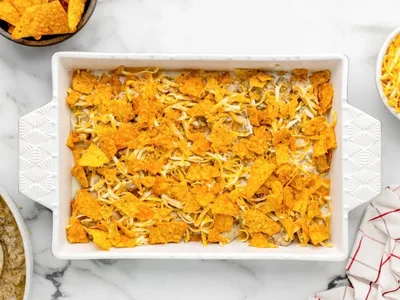
Baked Taco Casserole with Doritos and Ground Beef

Lucky Boy Style Bacon and Hash Brown Breakfast Burrito
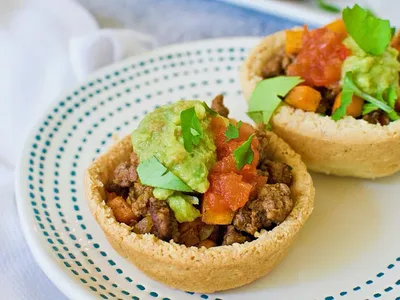
Paleo Mini Taco Pies in Muffin Tins with Almond Flour Crust

Air Fryer Fried Bread Tacos with Ground Meat

Sausage and Cheese Breakfast Pizza with Crescent Roll Crust