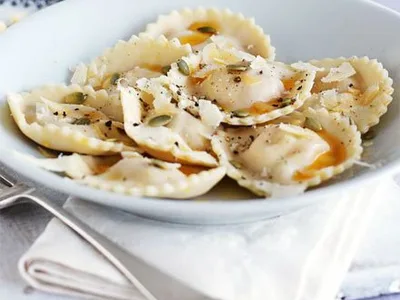
All About Sweet Potatoes
Sweet potatoes bring natural sweetness and creamy texture to everything from soups to pies. These orange-fleshed tubers contain about 20 grams of carbs per 100-gram serving and cook faster than regular potatoes. Their sugars caramelize beautifully at 425°F, creating crispy edges and a soft interior. You'll find them roasted whole, mashed with butter, or pureed into soups throughout American and international cooking.
How to Select
Choose firm sweet potatoes without soft spots or wrinkled skin. A 6-inch medium potato weighs about 200 grams. Small dark spots are fine, but avoid any with sprouts or green areas. The skin should feel dry and papery, not damp or sticky. Heavier potatoes have more moisture inside.
How to Store
Keep sweet potatoes in a cool, dark spot around 55-60°F for up to 10 days. Never refrigerate raw ones. The cold converts their starch to sugar too quickly. Store in a basket or paper bag with good airflow. Once cooked, refrigerate in an airtight container for 4 days or freeze for 6 months. Cut raw sweet potatoes turn gray within 30 minutes, so prep right before cooking.
How to Prep
Scrub under cold water with a vegetable brush. Peeling removes about 35% of the fiber, so leave skin on when possible. For even cooking, cut into 3/4-inch cubes. Pierce whole potatoes 6-8 times with a fork before baking. To prevent browning after cutting, submerge in cold water for up to 24 hours. Pat completely dry before roasting or frying. A sharp knife cuts through the dense flesh easier than a dull one.
Flavor Pairings
Sweet potatoes love warm spices like cinnamon, cumin, and garlic powder. Butter and olive oil help their sugars caramelize. They balance savory dishes with lamb, lentils, or goat cheese. Coconut milk smooths their texture in soups. Pecans and marshmallows are classic casserole toppers. Fresh garlic and onions build a savory base that keeps the sweetness in check.
Cooking Tips
Roast cubed sweet potatoes at 425°F for 25-30 minutes, flipping once at the 15-minute mark.
Microwave whole potatoes for 5-8 minutes per potato, turning halfway through.
Add 1 tablespoon brown sugar per pound when mashing for extra caramelization.
Steam 1-inch chunks for exactly 12 minutes to keep them firm for salads.
Varieties
Need a substitute? See our Best Substitutes for Sweet Potatoes guide with tested ratios.
FAQ
Can I substitute sweet potatoes for regular potatoes?
Yes, but adjust cooking times and expectations. Sweet potatoes cook 25% faster and contain twice the sugar of russet potatoes. They'll get mushy in potato salad but work great mashed or roasted. For soups, add them 10 minutes later than you would regular potatoes. Their moisture content is about 77% compared to 79% in russets, so they absorb less liquid in stews.
Why do my roasted sweet potatoes turn out soggy?
Overcrowding is the main culprit. Sweet potatoes release moisture as they cook, creating steam. Use 2 sheet pans for 3 pounds of potatoes. Keep cubes in a single layer with 1/2 inch between pieces. Your oven temperature matters too. Anything below 400°F won't caramelize the sugars properly. Toss with just 2 tablespoons oil per pound. Too much oil prevents browning.
How do I know when sweet potatoes are done?
A fork should slide through the center with no resistance. Whole baked potatoes need 45-60 minutes at 400°F. The skin will puff slightly and natural sugars may leak out as dark syrup. For roasted cubes, look for browned edges and a slightly shriveled appearance after 25-30 minutes. Boiled chunks are ready when they just start to fall apart at the edges, usually 15-20 minutes.
Can I prep sweet potatoes ahead of time?
Cut sweet potatoes oxidize quickly, turning grayish-brown within 30 minutes. For make-ahead prep, submerge cut pieces in cold water and refrigerate up to 24 hours. Change the water if it gets cloudy. You can also blanch cubes for 3 minutes, shock in ice water, then refrigerate for 3 days. Cooked whole sweet potatoes keep 5 days refrigerated or 6 months frozen.
Recipes with Sweet Potatoes
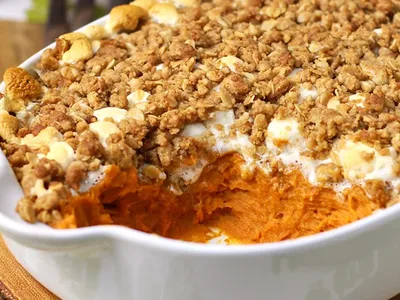
Boston Market Copycat Sweet Potato Casserole with Marshmallows
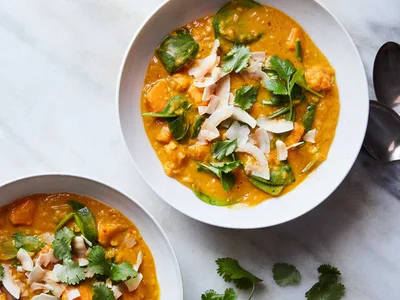
Curried Sweet Potato Lentil Soup with Coconut Milk
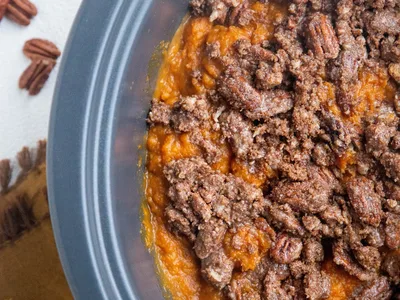
Slow Cooker Sweet Potato Casserole with Pecan Topping
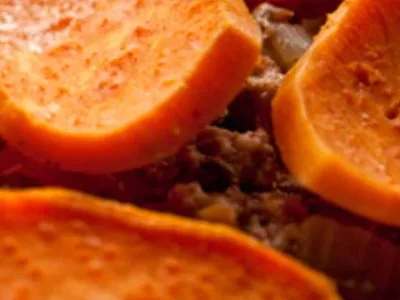
Lamb and Sweet Potato Cottage Pie with Warm Spices
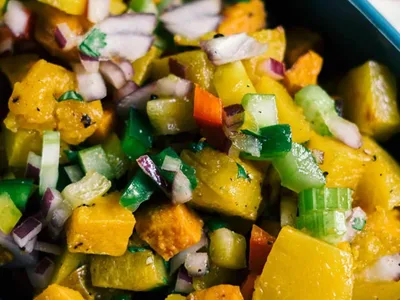
Roasted Sweet Potato Butternut Squash Vegetable Salad