All About Swiss Cheese
Swiss cheese is a semi-hard cheese with signature holes that range from pea-sized to quarter-sized. Its mild, nutty flavor melts at 130°F into stretchy strands perfect for sandwiches and casseroles. The cheese ages 2-12 months, developing a firmer texture and sharper bite over time. Those holes come from carbon dioxide bubbles released during fermentation.
How to Select
Look for pale yellow color with evenly distributed holes. The cheese should spring back when pressed gently. Avoid pieces with cracks, dark spots, or dried edges. Pre-sliced packages save prep time for sandwiches. Block cheese stays fresh 25% longer than sliced.
How to Store
Wrap opened cheese in wax paper, then loosely in plastic. Store in the cheese drawer at 35-40°F for 3-4 weeks. Unopened blocks last 6 months refrigerated. Sliced Swiss keeps 5-7 days after opening. Freezing changes the texture but works for cooking. Thaw frozen cheese in the fridge over 24 hours.
How to Prep
For sandwiches, slice 1/8 inch thick using a sharp knife or adjustable slicer. Shred on the large holes of a box grater for casseroles, holding at a 45-degree angle. One pound yields 4 cups shredded. Cube into 1/2-inch pieces for fondue. Room temperature cheese shreds easier than cold. Remove from fridge 20 minutes before grating.
Flavor Pairings
Swiss pairs naturally with ham in everything from omelets to Cuban sandwiches. Dijon mustard cuts through its mild richness. Caramelized onions bring out the nutty notes. Bacon adds smoky contrast. In French onion soup, Swiss forms golden bubbling crusts. Corned beef and sauerkraut create the classic Reuben combination.
Cooking Tips
Melt Swiss at low heat, keeping temperature under 130°F to prevent oil separation and rubbery texture.
Mix 1 tablespoon cornstarch per cup of shredded cheese for smoother melting in sauces and fondues.
Layer Swiss between parchment at 375°F for 8-10 minutes to create crispy cheese wafers for garnish.
Add Swiss during the last 2 minutes of cooking to prevent over-browning in broiled dishes.
Varieties
Need a substitute? See our Best Substitutes for Swiss Cheese guide with tested ratios.
FAQ
Why does my Swiss cheese get oily when melted?
Overheating causes the proteins to squeeze out fat. Keep temperatures below 130°F for smooth melting. Shred cheese finely for faster, even melting. Adding 1 teaspoon of cornstarch per cup of cheese helps bind the fats. Melt over low heat or use a double boiler for fondue.
Can I substitute Swiss for other cheeses?
Gruyere works best with its similar nutty flavor and melting point of 135°F. Emmental offers comparable holes and mild taste. For sharper flavor, try aged cheddar but reduce quantity by 25%. Provolone melts similarly but lacks the characteristic nuttiness. In cold sandwiches, muenster provides similar mild creaminess.
How much Swiss cheese should I buy per person?
Plan 2 ounces per sandwich, 4 slices from the deli counter. For cheese boards, allow 3 ounces per person. Casseroles typically need 1/4 cup shredded per serving. One pound of Swiss yields 16 sandwich slices or 4 cups shredded. Buy 20% extra when grating blocks yourself to account for rinds and ends.
What causes Swiss cheese to taste bitter?
Bitterness develops when cheese ages past 18 months or gets exposed to light. Temperature swings above 45°F accelerate bitter compounds. Check expiration dates and smell before buying. Fresh Swiss smells slightly sweet and nutty. Store away from strong odors like onions. Trim 1/4 inch from dried edges where bitterness concentrates.
Recipes with Swiss Cheese

Classic Grilled Reuben Sandwich with Corned Beef and Swiss
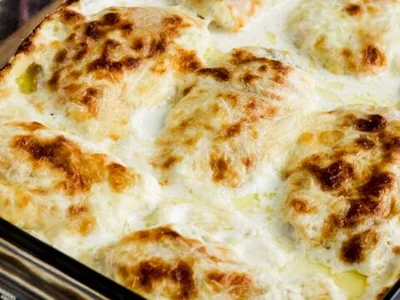
Creamy Baked Chicken Cordon Bleu with Parmesan Crust

Lipton French Onion Meatloaf with Caramelized Onions

Make-Ahead Dagwood Multi-Meat Club Sandwiches

Potato Chip Loose Meat Sandwiches with Swiss Cheese