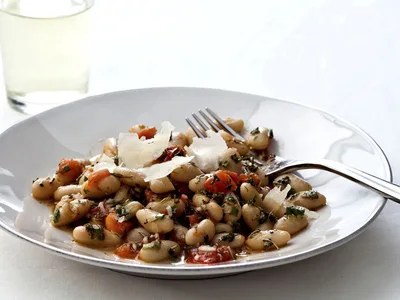
All About Tbsps Olive Oil
Olive oil forms the backbone of Mediterranean cooking and serves as both cooking fat and finishing oil. This golden-green liquid brings fruity, peppery, or buttery notes depending on variety. Use it for sautéing vegetables at 350°F, drizzling over salads, or creating marinades. A kitchen workhorse that appears in 89% of Mediterranean recipes.
How to Select
Check the harvest date, not expiration date. Look for bottles dated within 18 months. Dark glass or tin containers protect from light damage. Extra virgin means cold-pressed with acidity below 0.8%. Smell should be fresh, grassy, or fruity. Avoid anything that smells like crayons or wet cardboard.
How to Store
Keep in a cool, dark cupboard at 57-68°F. Never store above the stove or in direct sunlight. Opened bottles last 6-8 months. Unopened quality oil keeps 2 years from harvest date. Transfer to smaller containers as you use it to minimize air exposure. Refrigeration causes cloudiness but doesn't harm quality. Oil returns to normal at room temperature.
How to Prep
Pour into a cruet for easy drizzling and portion control. Mix 3 parts olive oil with 1 part acid for basic vinaigrette. Brush directly onto vegetables before grilling at 400°F. For herb oil, blend 1 cup oil with 2 cups fresh herbs for 45 seconds. Strain through cheesecloth. Use within 3 days.
Flavor Pairings
Garlic and olive oil create the base for aglio e olio and countless sauces. Lemon juice cuts through the richness, perfect in Greek dishes. Fresh herbs like basil, oregano, and rosemary infuse beautifully. Black pepper and kosher salt bring out olive oil's natural flavors. Red onions soften when sautéed in 2 tablespoons at medium heat.
Cooking Tips
Heat to 350-375°F for sautéing. Oil shimmers and moves like water when ready.
Mix equal parts butter and olive oil to raise smoke point to 400°F for searing.
Add 1 tablespoon to pasta water to prevent sticking and add subtle flavor.
Drizzle 2 teaspoons over roasted vegetables in the last 5 minutes for glossy finish.
Varieties
FAQ
Can I fry with extra virgin olive oil?
Yes, despite myths. Extra virgin olive oil has a smoke point of 374-405°F, suitable for most frying. Studies show it remains stable up to 356°F for 36 hours. Just don't exceed 410°F or reuse the oil more than 3 times. For deep frying above 375°F, choose pure olive oil with its 465°F smoke point.
Why does my olive oil taste bitter?
Bitterness indicates fresh, high-polyphenol oil from early harvest olives. This disappears after 3-4 months of storage. If extremely bitter, the oil may be rancid. Check if it's past 18 months from harvest or smells like paint. Fresh bitter oil mellows when mixed with acid at a 3:1 ratio.
How much olive oil should I use per serving?
For sautéing, use 1 tablespoon per 2 servings of vegetables or 4 ounces of protein. Salad dressing needs 3 tablespoons oil per 1 tablespoon vinegar to serve 4. Drizzling requires 1-2 teaspoons per portion. Most recipes calling for 2-4 tablespoons serve 4-6 people.
What's the white stuff in my refrigerated olive oil?
Those white crystals are solidified fatty acids that appear below 55°F. This natural process doesn't affect quality or flavor. Leave the bottle at room temperature for 30 minutes to return to liquid. Some producers winterize oil to prevent this, but it removes beneficial compounds.
Recipes with Tbsps Olive Oil
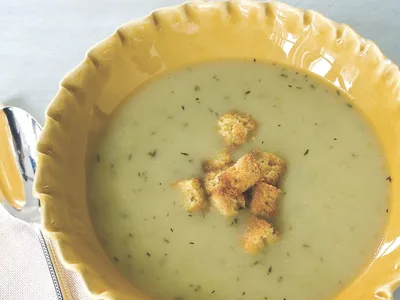
Fried Green Tomato Soup with Cornbread Croutons
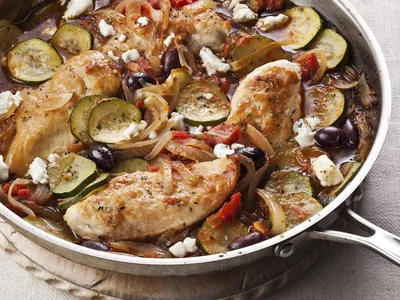
Greek Chicken with Vegetables and Feta
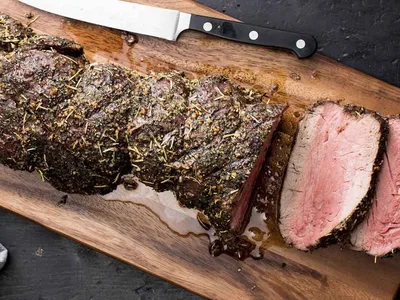
Grilled Beef Tenderloin with Montreal Seasoning
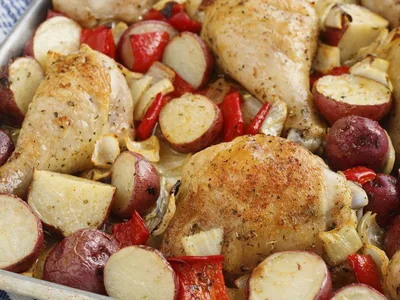
Italian Roasted Chicken and Potatoes
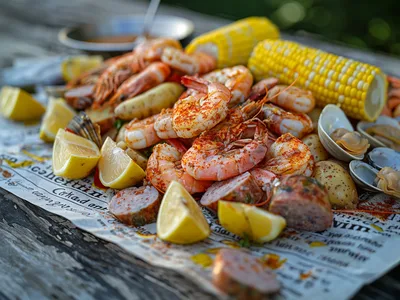
New England Shrimp Boil with Old Bay Seasoning