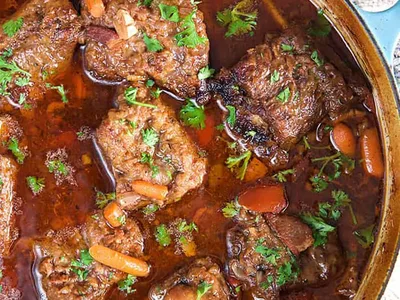
All About Tomato Paste
Tomato paste is concentrated tomato pulp cooked down to about 20% of its original volume. This thick, deep red paste delivers intense tomato flavor without adding liquid to your dish. A single tablespoon contains the essence of 4 fresh tomatoes. It acts as a flavor base in braises and stews, thickens sauces, and adds umami depth to everything from pot roasts to pizza sauce.
How to Select
Look for tubes or cans with deep burgundy color through the packaging. Avoid any with rust on the can or dented areas. Tubes cost more but let you use 1 tablespoon at a time. Canned paste should feel heavy for its size. Double concentrated paste has 28% solids versus regular at 24%.
How to Store
Unopened cans keep 2 years in the pantry. Once opened, transfer to glass or plastic and refrigerate up to 7 days. Tubes last 45 days in the fridge after opening. Freeze leftover paste in ice cube trays, then transfer cubes to freezer bags. Each cube equals about 1 tablespoon. Frozen paste keeps 6 months. Never store in the opened can.
How to Prep
Most recipes benefit from cooking paste in fat for 30-60 seconds before adding liquids. This caramelizes the sugars and removes the raw, metallic taste. For braised dishes, brown meat first, then cook 2 tablespoons paste in the fond. Dilute with equal parts water for a quick tomato sauce base. Mix 1 tablespoon paste with 5 ounces stock for instant tomato broth.
Flavor Pairings
Garlic and tomato paste form the foundation of countless sauces. Cook minced garlic 30 seconds, add paste, cook 1 minute more. Olive oil carries the flavors. Paprika and oregano complement the sweetness. Onions provide aromatic depth when sautéed before adding paste. Red wine cuts through the concentration.
Cooking Tips
Cook paste in oil at medium heat for 45-60 seconds until it turns brick red and smells sweet.
Add 1 tablespoon paste per pound of ground meat for deeper flavor in tacos or pasta sauce.
Thin 2 tablespoons paste with 1/4 cup water for brushing on pizza dough before toppings.
Freeze leftover paste from 6-ounce cans in 1-tablespoon portions using an ice cube tray.
Varieties
Need a substitute? See our Best Substitutes for Tomato Paste guide with tested ratios.
FAQ
Can I substitute tomato sauce for paste?
Not directly. Tomato sauce contains only 8% solids while paste has 24%. To substitute, simmer 1 cup tomato sauce until reduced to 3 tablespoons, about 15 minutes. The resulting concentrate won't be quite as thick but works in most recipes. For every tablespoon of paste needed, use 3 tablespoons sauce and reduce other liquids slightly.
Why does my paste taste metallic or bitter?
Raw tomato paste has a harsh, tinny flavor from concentrated acids. Always cook it in fat for 45-60 seconds before adding liquids. The heat caramelizes natural sugars and mellows the acids. If you've already added liquid, simmer the dish 20 minutes longer. A pinch of sugar can help balance persistent bitterness.
How much paste equals one can of tomatoes?
A 14.5-ounce can of tomatoes equals about 3 tablespoons tomato paste plus 1 cup water or stock. The paste provides concentrated flavor while the liquid replaces the tomato juices. This substitution works best in cooked dishes where texture isn't critical. Add the liquid gradually to match your desired consistency.
What's the white stuff on my refrigerated paste?
Those white crystals are tyrosine, an amino acid that crystallizes when concentrated tomato products get cold. It's completely safe to eat and doesn't affect flavor. Just stir it back in. To prevent crystallization, store paste in an airtight container and use within 7 days of opening.
Recipes with Tomato Paste
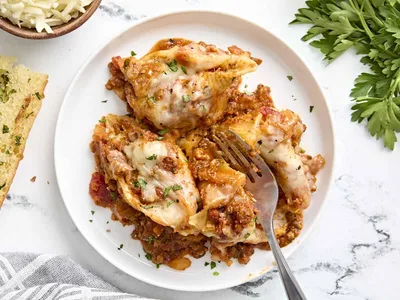
Cheesy Ground Beef Stuffed Shells with Marinara Sauce

Crispy Quorn Patties with Spicy BBQ Beans and Herb Fries
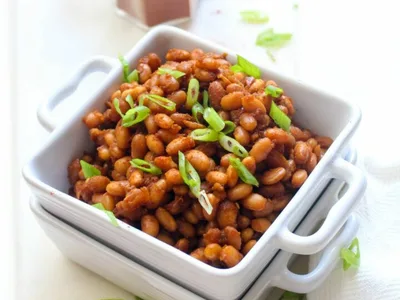
Homemade Baked Beans with Molasses and Tomato
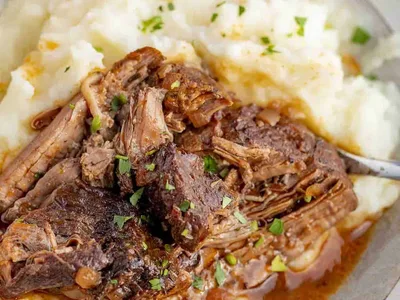
Red Wine Braised Chuck Roast - Tender Dutch Oven Pot Roast

Roasted Vegetable Baked Penne with Ricotta