All About Tomatoes
Tomatoes bring acidity, sweetness, and moisture to thousands of dishes. Fresh ones taste bright and juicy raw, while cooked tomatoes develop deeper, concentrated flavors. They work as the base for sauces, add freshness to salads, and provide the essential tang in everything from Indian curries to Mexican salsas.
How to Select
Choose tomatoes that feel heavy for their size with taut, shiny skin. Press gently near the stem. Good ones give slightly but bounce back. Skip any with soft spots, wrinkled skin, or green shoulders unless you plan to ripen them at home.
How to Store
Keep ripe tomatoes on the counter for up to 5 days, stem side down. Never refrigerate unless fully ripe and you need an extra 3 days. Store cut tomatoes in an airtight container in the fridge for 2 days max. Green tomatoes ripen in 3 to 7 days in a paper bag with a banana.
How to Prep
For dicing, cut out the core at a 45-degree angle, then slice horizontally before cutting into strips and cubes. Remove seeds by halving and scooping with a spoon when recipes need less moisture. Peel by scoring an X on the bottom, dropping in boiling water for 30 seconds, then shocking in ice water. The skin slides right off.
Flavor Pairings
Tomatoes love garlic, onions, and olive oil in nearly every cuisine. Fresh basil makes the classic Italian combo. Cumin and chili work in Mexican and Indian dishes. Feta cheese, oregano, and lemon juice create Greek flavors. Balsamic vinegar intensifies their natural sweetness.
Cooking Tips
Roast cherry tomatoes at 425°F for 20 minutes until they burst and caramelize.
Add 1 teaspoon sugar per 28-ounce can when making sauce to balance acidity.
Salt sliced tomatoes 10 minutes before serving to draw out excess water.
Cook tomato paste for 2 minutes before adding liquids to remove the raw, metallic taste.
Varieties
FAQ
Why do recipes say to remove tomato seeds?
Seeds and surrounding gel contain extra water that can make dishes soggy. A single medium tomato is 95% water. Removing seeds prevents watery scrambled eggs, soggy bruschetta, or thin salsas. Most cooked sauces benefit from keeping the seeds for body, but fresh applications often work better without them.
Should I peel tomatoes for sauce?
Peeling creates silky smooth sauces but takes time. After 45 minutes of simmering, skins break down enough that most home cooks won't notice. Professional kitchens peel for refined texture. If you see curled skin pieces bothering you, strain the finished sauce through a food mill or blend with an immersion blender.
What's the difference between crushed and diced canned tomatoes?
Crushed tomatoes contain about 60% puree and 40% chunks, creating thick sauces fast. Diced hold their shape better with firmer pieces in thinner liquid. Whole peeled give you control. A 28-ounce can of whole tomatoes yields about 1.75 cups when crushed by hand.
How do I ripen green tomatoes?
Place green tomatoes in a paper bag with an apple or banana. The ethylene gas speeds ripening to red in 5 to 10 days at 65-70°F. Check daily and remove ripe ones. Light isn't necessary. For fried green tomatoes, use them within 2 days while still firm and tart.
Recipes with Tomatoes

Blistered Cherry Tomato Marinara Pasta with Mixed Green Salad

Breaded Chicken Pitta with Roasted Veg and Garlic Yogurt
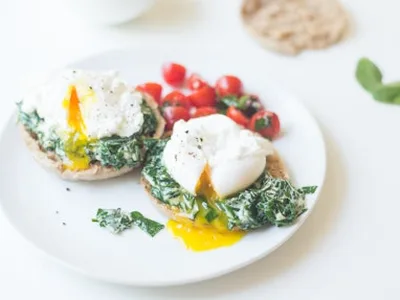
Classic Poached Eggs with Creamy Spinach and English Muffins
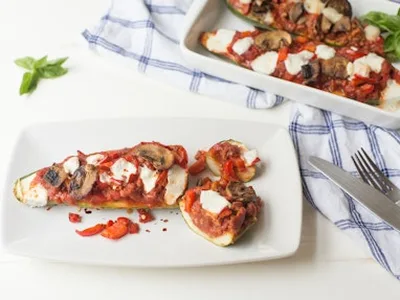
Pizza-Stuffed Zucchini with Farro and Fresh Mozzarella