All About Œufs
Eggs form the foundation of countless dishes. They bind batters, create custards, and add protein to any meal. Room temperature eggs whip to greater volume than cold ones. A fresh egg sinks in water while an older one floats. Each large egg weighs about 50 grams and contains 6 grams of protein.
How to Select
Check the expiration date first. Open the carton and look for cracks. The shells should feel smooth, not slimy. Brown and white eggs taste identical. Size matters for baking. Large eggs weigh 50-57 grams each. Medium eggs weigh 43-50 grams.
How to Store
Keep eggs in their original carton on a refrigerator shelf, not the door. The carton prevents odor absorption and moisture loss. Fresh eggs last 3-5 weeks past the pack date. Hard-boiled eggs keep 7 days in the shell. Raw whites freeze for 12 months. Raw yolks need sugar or salt added before freezing to prevent gelling.
How to Prep
Crack eggs on a flat surface, not the bowl edge. Separate whites from yolks over a small bowl first. Room temperature eggs beat faster. Place cold eggs in warm water for 5 minutes. For hard-boiled eggs, start in cold water, bring to a boil, then remove from heat and let sit 12 minutes. Plunge into ice water immediately.
Flavor Pairings
Eggs pair naturally with butter and cream in French cooking. Add gruyere or parmesan for savory flans and quiches. Vanilla and sugar turn eggs into custards and clafoutis. Chocolate and eggs create mousses and soufflés. Fresh herbs like chives, parsley, and tarragon brighten scrambled eggs.
Cooking Tips
Beat whole eggs for 30 seconds before scrambling. Cook over medium-low heat at 250°F.
Whip egg whites to soft peaks in 2-3 minutes with cream of tartar at 1/8 teaspoon per white.
Bake custards in a water bath at 325°F until the center jiggles slightly when shaken.
Add 1 tablespoon vinegar per quart of water when poaching. Fresh eggs hold together best.
Varieties
FAQ
How can I tell if an egg is fresh?
Place the egg in a bowl of water. Fresh eggs sink and lie flat. Week-old eggs stand on one end. Eggs over 3 weeks old float. The air cell inside grows larger as moisture evaporates through the shell. A fresh egg white sits tall around the yolk when cracked onto a plate. Older whites spread thin and watery.
Why do some recipes call for room temperature eggs?
Room temperature eggs incorporate better into batters. Cold eggs can cause butter to seize. Whites at 68-72°F whip to maximum volume, up to 8 times their original size. Cold whites only expand 4-6 times. Leave eggs on the counter 30 minutes or place in warm water for 5 minutes.
What's the difference between brown and white eggs?
Shell color depends on the hen's breed. White hens lay white eggs. Red hens lay brown eggs. The nutrition stays identical. Brown eggs often cost more because red hens eat more feed. Some brown eggs have thicker shells, lasting 2-3 days longer. Judge freshness by the pack date, not color.
How do I prevent green rings on hard-boiled eggs?
The green ring forms when sulfur in the white reacts with iron in the yolk at temperatures above 158°F. Start eggs in cold water. Once boiling, remove from heat and let sit 12 minutes for large eggs. Transfer immediately to ice water. Cool for at least 5 minutes. This stops the cooking and prevents the reaction.
Recipes with Œufs
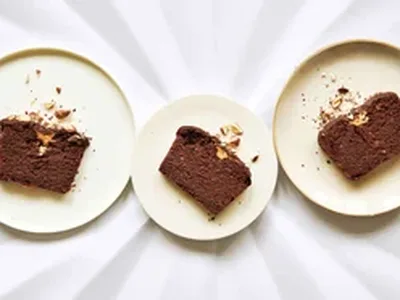
Chocolate Cake with Peanut Butter Swirl
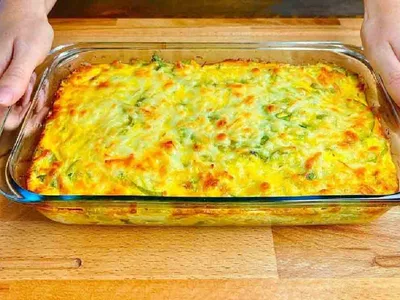
Turmeric Zucchini Flan with Cheese
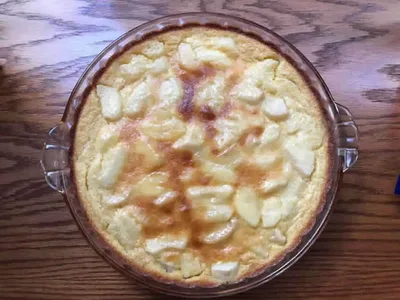
Pear Clafoutis with Thermomix
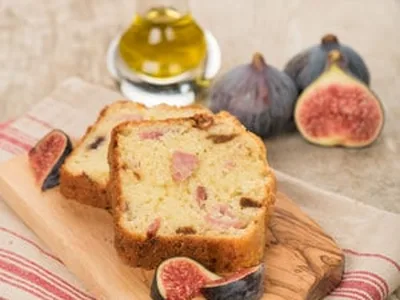
Fig and Prosciutto Savory Cake with Gruyere
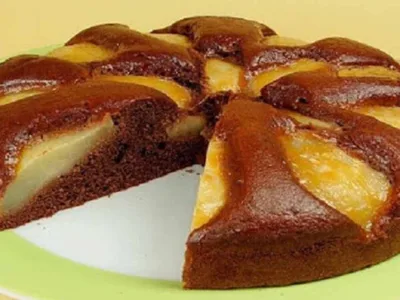
Chocolate Pear Cake with Vanilla