All About Vegetable Oil
Vegetable oil serves as the workhorse fat in most home kitchens. This neutral-tasting oil withstands high heat up to 450°F, making it ideal for frying chicken, stir-frying vegetables, or baking tender cakes. Made from seeds like soybean, canola, or sunflower, vegetable oil adds moisture without competing flavors. Its high smoke point and neutral taste make it the go-to choice when you want ingredients, not oil flavor, to shine through.
How to Select
Look for pale yellow to light golden oil in clear bottles. Check the label for 100% pure vegetable oil without additives. Avoid bottles with sediment or cloudiness. Most grocery stores stock generic blends, but single-source oils like pure canola or sunflower offer more consistent results. A 48-ounce bottle costs $3-6 and lasts most home cooks 2-3 months.
How to Store
Keep unopened bottles in a cool, dark pantry for up to 2 years. Once opened, vegetable oil stays fresh for 6-8 months at room temperature or up to 1 year in the refrigerator. Store in the original container or transfer to an airtight glass bottle. Oil turns rancid faster near heat sources. Smell before using. Fresh oil has almost no scent, while rancid oil smells like old crayons or paint.
How to Prep
Measure vegetable oil in dry measuring cups for baking or liquid measures for cooking. For deep frying, heat 2-3 inches of oil to 350-375°F using a thermometer. Test temperature by dropping in a bread cube. It should sizzle and turn golden in 60 seconds. For stir-frying, heat 1-2 tablespoons until it shimmers and moves freely in the pan, about 30-45 seconds over medium-high heat. For baking, bring cold oil to room temperature for even mixing.
Flavor Pairings
Vegetable oil's neutral profile lets other ingredients take center stage. It carries the heat of garlic and ginger in stir-fries, helps eggs set into fluffy scrambles, and creates tender crumb in vanilla cakes. The oil bonds with salt to create crispy exteriors on fried foods. In baking, it works with sugar and vanilla extract to build moisture. Asian dishes often start with oil, garlic, and onion as a flavor base.
Cooking Tips
Heat oil to 350°F for crispy fried chicken or 375°F for donuts. Food dropped in cooler oil absorbs more fat.
Mix 1 part oil with 2 parts flour for pie crusts that stay tender in the fridge for 3 days.
Add 1 tablespoon oil to pasta water to prevent sticking. The oil coats noodles as they drain.
Brush baking pans with oil instead of butter for crisper edges on brownies and quicker release.
Varieties
Need a substitute? See our Best Substitutes for Vegetable Oil guide with tested ratios.
FAQ
Can I reuse frying oil?
Yes, strain cooled oil through cheesecloth or coffee filters into a clean container. Label with the food fried and date. Reuse within 1 month for similar foods. Most oils handle 3-4 uses before breaking down. Oil used for fish or heavily seasoned foods picks up flavors. Stop reusing when oil darkens, smells off, or foams excessively at 350°F.
Why do some baking recipes call for oil instead of butter?
Oil creates moister, denser textures in cakes and muffins because it coats flour proteins more thoroughly than butter. Oil-based cakes stay soft for 4-5 days versus 2-3 days for butter cakes. The liquid fat also requires 25% less quantity than butter. Use 3/4 cup oil to replace 1 cup butter. Oil works best in chocolate cakes, carrot cakes, and quick breads where you want tenderness over flaky layers.
What's the difference between vegetable oil and olive oil for cooking?
Vegetable oil handles heat up to 450°F while extra virgin olive oil smokes at 375°F. Use vegetable oil for high-heat searing, deep frying, and stir-fries above 400°F. Its neutral taste won't compete with Asian or Mexican seasonings. Save olive oil for temperatures below 375°F, salad dressings, and Mediterranean dishes where you want its fruity flavor.
How do I know when oil is hot enough for frying?
Use a deep-fry thermometer for accuracy, aiming for 350-375°F depending on the food. Without a thermometer, drop a 1-inch bread cube into the oil. At 350°F, it browns in 65 seconds. At 375°F, it takes 40 seconds. Wooden chopstick tips bubble steadily in properly heated oil. Small wisps of smoke mean the oil exceeds 400°F and needs lower heat.
Recipes with Vegetable Oil
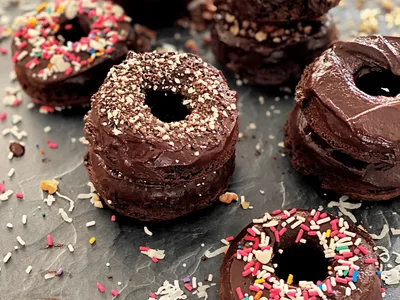
Baked Chocolate Donuts with Sauerkraut
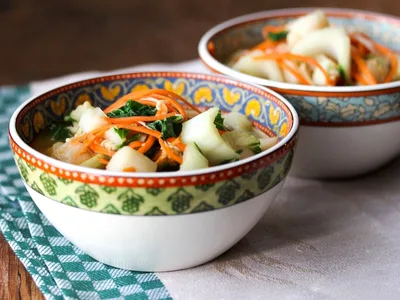
Bay Scallop Noodle Soup with Stir-Fried Enoki
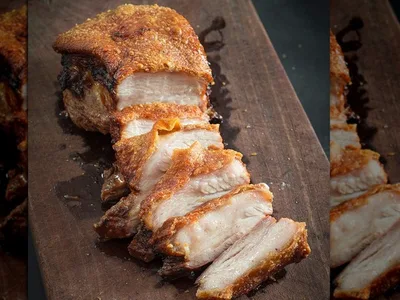
Crispy Skin Roast Pork Belly with Five Spice Marinade
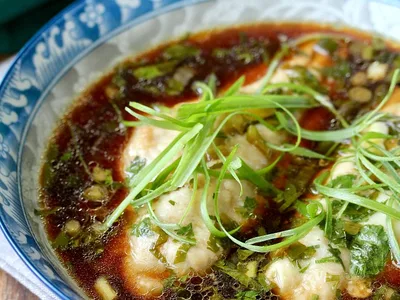
Poached White Fish with Ginger, Soy and Cilantro
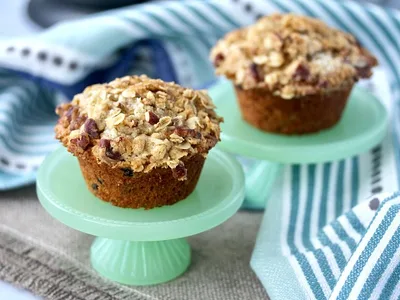
Small-Batch Apple Nut Oatmeal Muffins