All About Yeast
Yeast is a microscopic fungus that makes bread rise by eating sugar and producing carbon dioxide gas. In your kitchen, it turns dense flour-and-water mixtures into light, airy loaves with complex flavors. Active dry yeast needs proofing in 110°F water before use, while instant yeast mixes directly into flour. Most recipes call for 1 tablespoon or 2.25 teaspoons per loaf.
How to Select
Buy yeast in vacuum-sealed packets or 4-ounce jars. Check expiration dates carefully. Active dry yeast looks like tiny tan pellets. Instant yeast has finer granules. Fresh yeast comes in moist 0.6-ounce cakes but spoils within 2 weeks. Packets cost $0.50 each, jars run $5-8.
How to Store
Keep unopened yeast packets in a cool pantry for up to 2 years. Once opened, transfer to an airtight container and refrigerate for 4 months or freeze for 12 months. Fresh yeast needs refrigeration and lasts 2 weeks maximum. Store away from heat sources. Test older yeast by proofing 1 teaspoon in 1/4 cup warm water with 1 teaspoon sugar for 10 minutes.
How to Prep
For active dry yeast, dissolve in 110°F liquid with a pinch of sugar. Wait 5-10 minutes until foamy. Instant yeast goes straight into flour mixture. Use 25% less instant yeast than active dry in recipes. Fresh yeast crumbles directly into dough. Water above 120°F kills yeast cells. Room temperature ingredients help yeast work faster.
Flavor Pairings
Yeast loves sugar and honey as food sources, creating deeper flavors during fermentation. Salt controls yeast growth at 2% of flour weight. Butter and olive oil tenderize yeast breads. Eggs add richness to sweet doughs. Milk proteins create softer crumb than water. Warm water at 110°F activates yeast best.
Cooking Tips
Proof yeast in 110°F water with 1 teaspoon sugar for 5-10 minutes until foamy.
Use 2.25 teaspoons (1 packet) yeast per 3-4 cups flour for standard bread.
First rise takes 60-90 minutes at 75°F room temperature, second rise 30-45 minutes.
Increase yeast by 25% when baking above 3,000 feet elevation due to lower air pressure.
Varieties
FAQ
How do I know if my yeast is still alive?
Test yeast by mixing 1 teaspoon with 1/4 cup water at 110°F and 1 teaspoon sugar. After 10 minutes, dead yeast stays flat. Living yeast creates a foamy layer at least 1/2 inch thick. This proofing test works for packets stored up to 6 months past expiration. Fresh yeast should smell sweet and break cleanly, not sour or crumbly.
Can I substitute one type of yeast for another?
Yes, with adjustments. Use 25% less instant yeast than active dry (1.75 teaspoons instant replaces 2.25 teaspoons active dry). For fresh yeast, multiply dry yeast amount by 3. A standard 0.6-ounce fresh yeast cake equals one 2.25-teaspoon packet of dry yeast. Skip the proofing step when switching from active dry to instant.
Why didn't my bread rise?
Common causes include dead yeast, liquid over 120°F that killed the yeast, or salt touching yeast directly before mixing. Cold ingredients slow rising to 3-4 hours. Too much sugar (over 1/4 cup per loaf) or salt (over 2 teaspoons) inhibits yeast. Check room temperature with a thermometer. Optimal rising happens at 75-78°F.
How much yeast do I need for pizza dough?
Use 1 teaspoon instant yeast or 1.25 teaspoons active dry yeast per 12-inch pizza (about 2 cups flour). For same-day dough, increase to 2 teaspoons for a 2-hour rise. Cold fermentation needs only 1/2 teaspoon for 24-72 hours in the refrigerator. More yeast means faster rising but less complex flavor development.
Recipes with Yeast
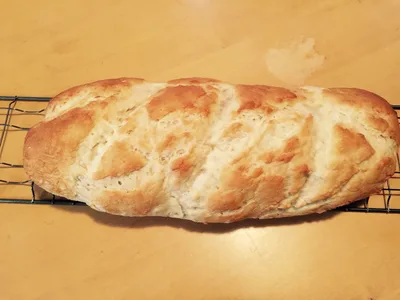
Bread Machine French Bread Dough with Hand-Shaped Finishing
Classic White Bread with Lard and Yeast
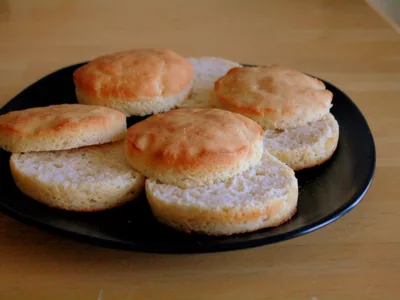
Gluten-Free English Muffins with Rice Flour

Potato and Chanterelle Hand Pies, Yeast Dough
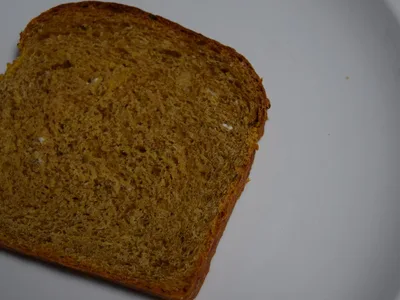
Pumpkin-Jalapeno Whole Wheat Yeast Bread Recipe