Chinese Recipes
106 recipes
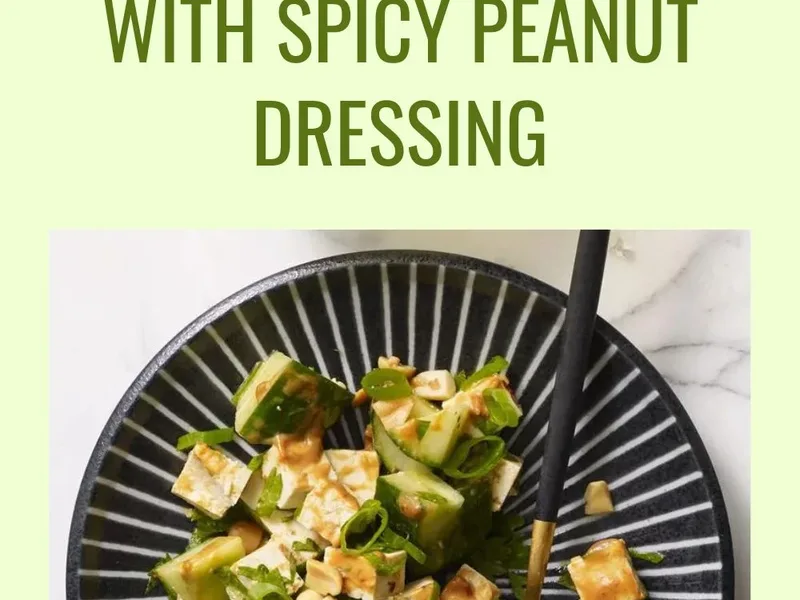
Crispy Tofu Cucumber Salad with Spicy Peanut Dressing
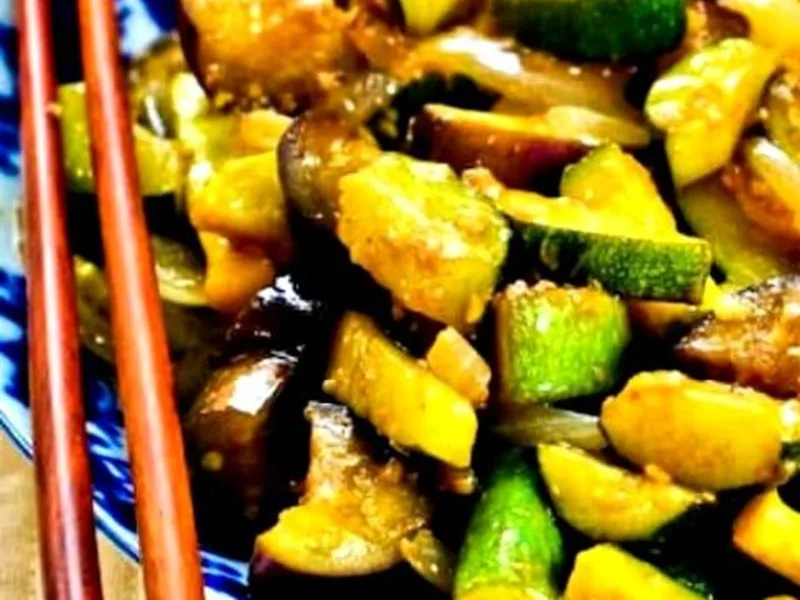
Garlic-Forward Vegetable Stir Fry with Oyster Sauce
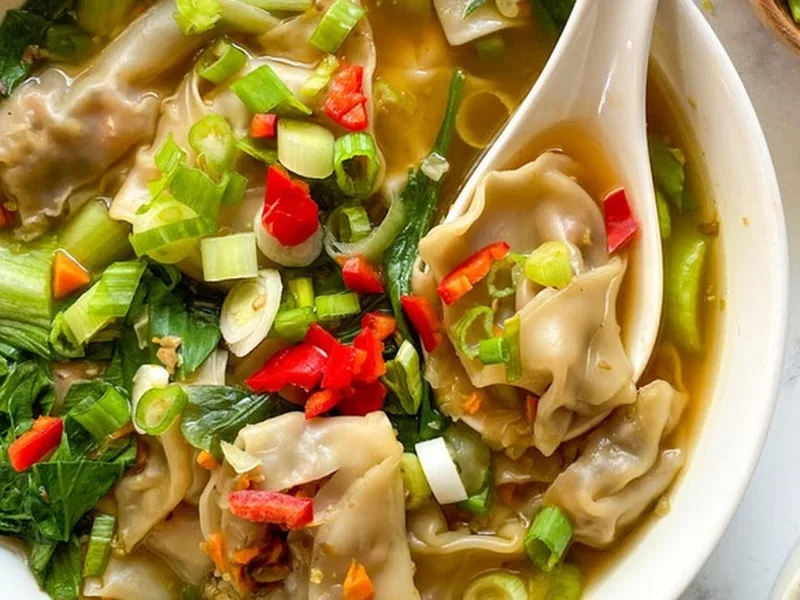
Vegetable Wonton Soup with Ginger and Gochugaru
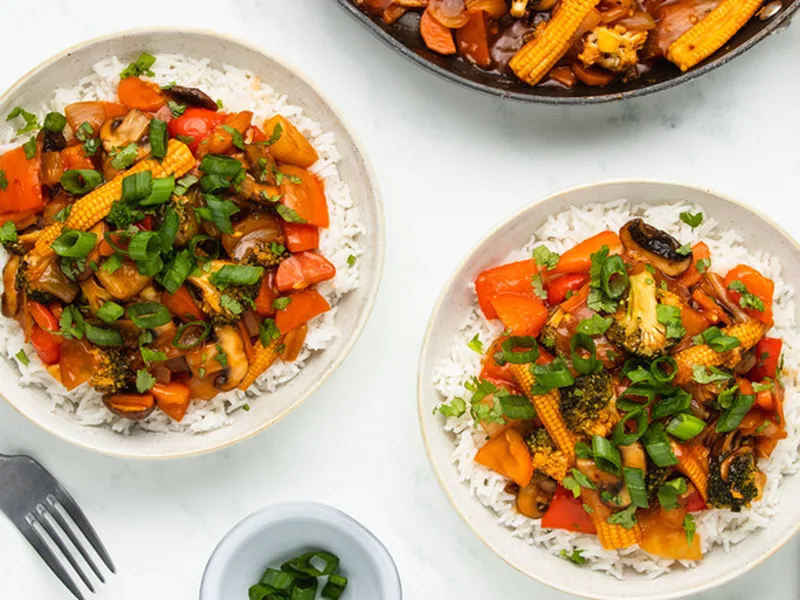
Sweet and Sour Vegetable Stir-Fry with Tangy Sauce
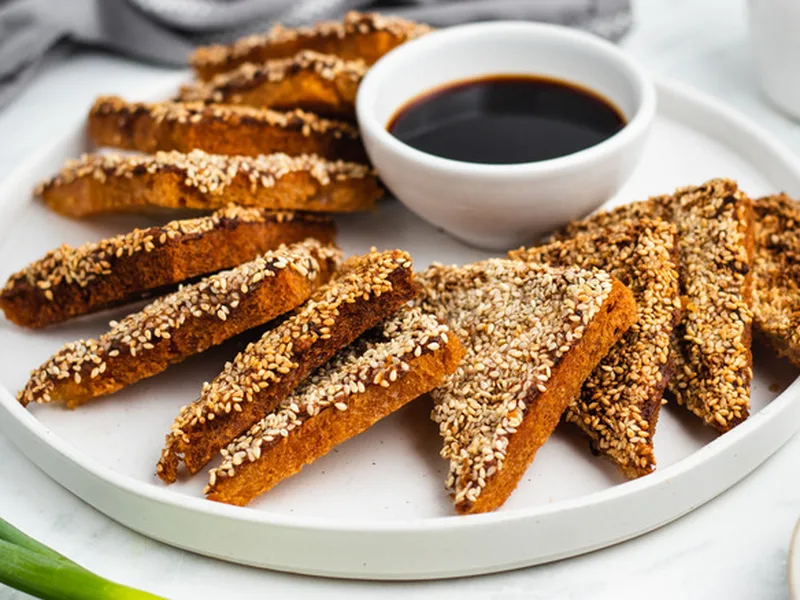
Crispy Shrimp Toast with Sesame Seeds
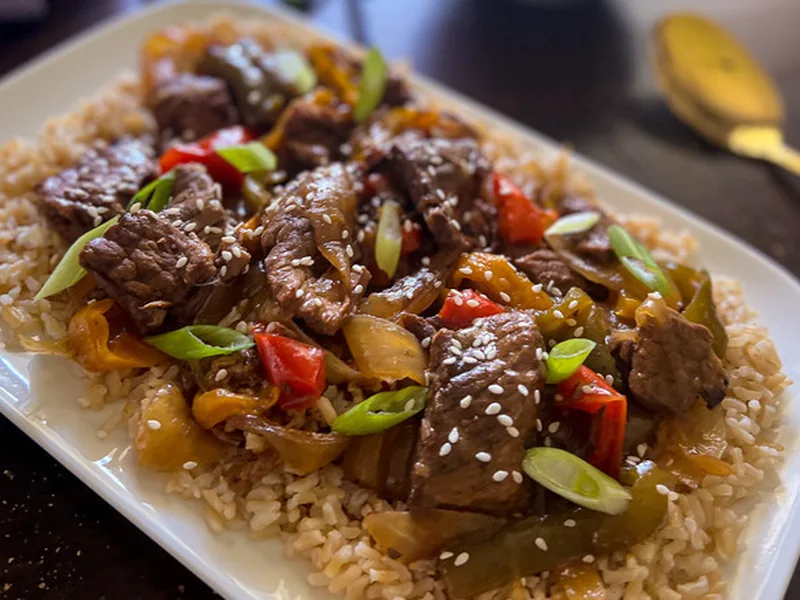
Slow Cooker Pepper Steak with Ginger and Honey
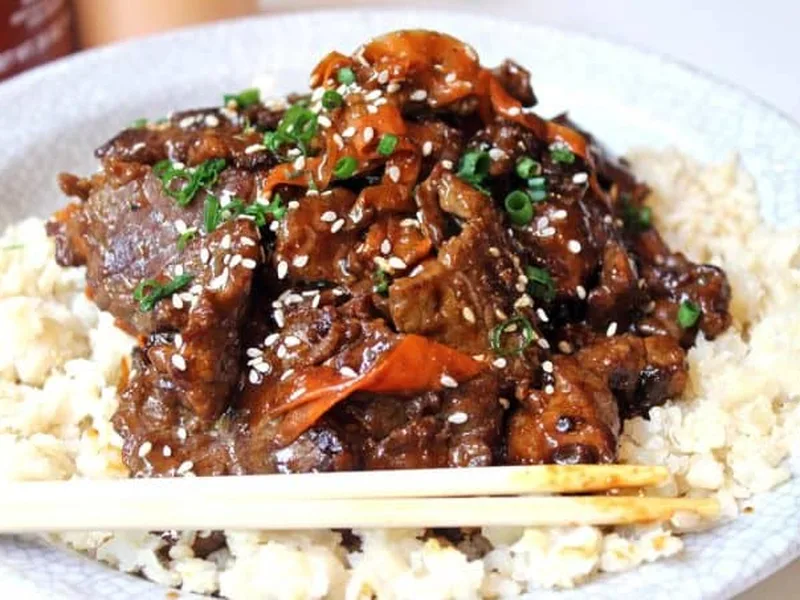
Spicy Tangerine Beef Stir-Fry with Carrot Ribbons
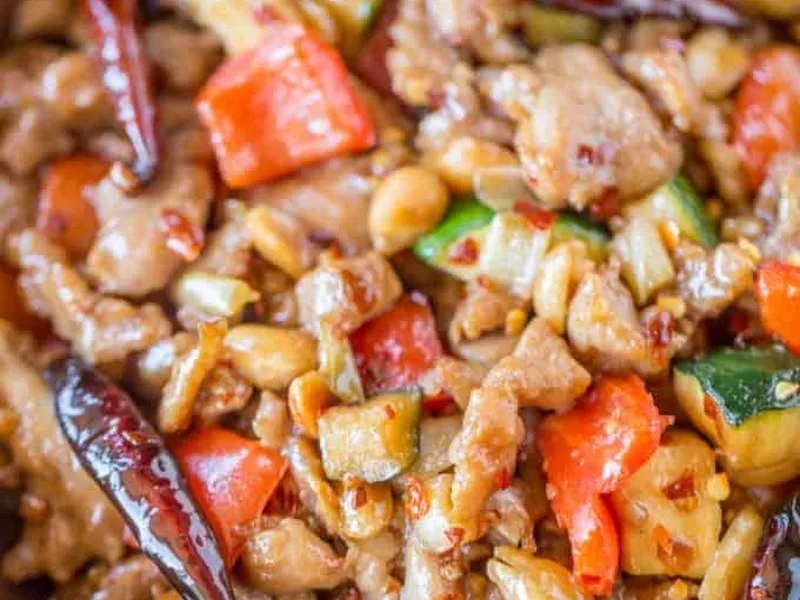
Panda Express Kung Pao Chicken with Peanuts and Vegetables
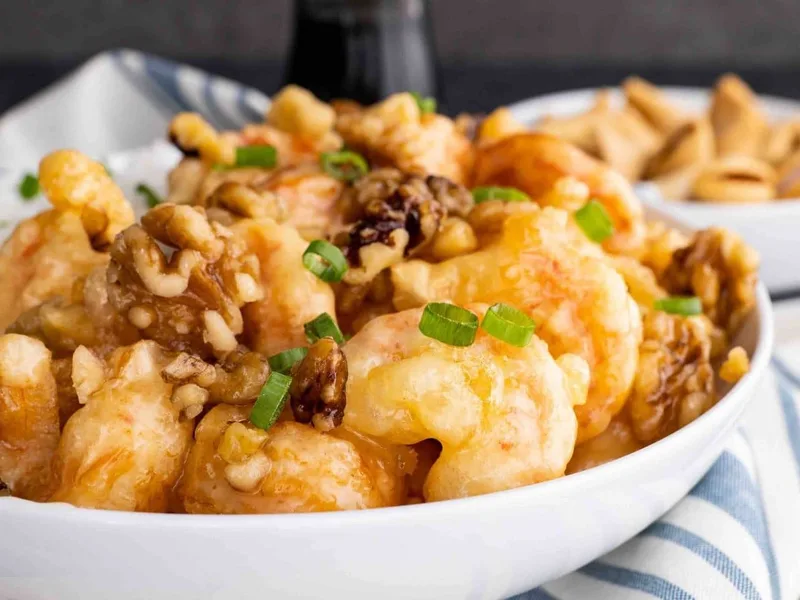
Crispy Honey Walnut Shrimp with Candied Walnuts
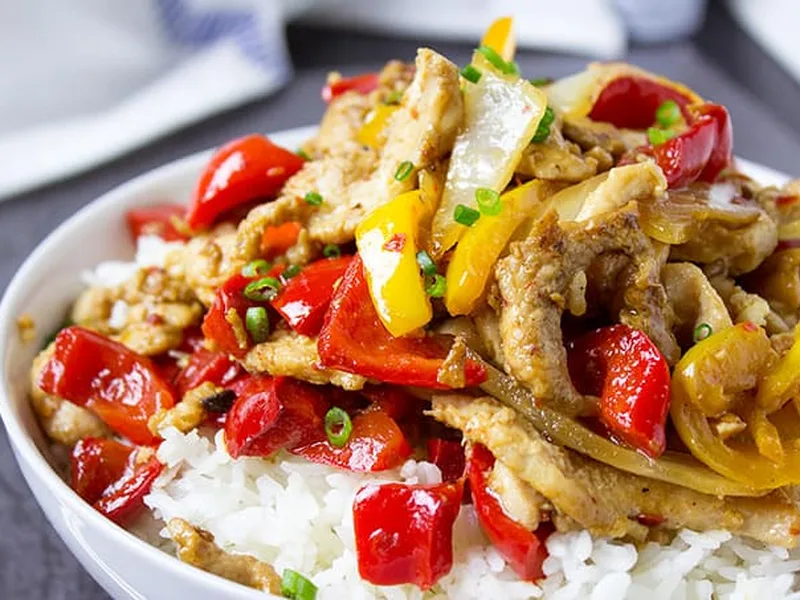
Panda Express Firecracker Chicken Copycat Recipe
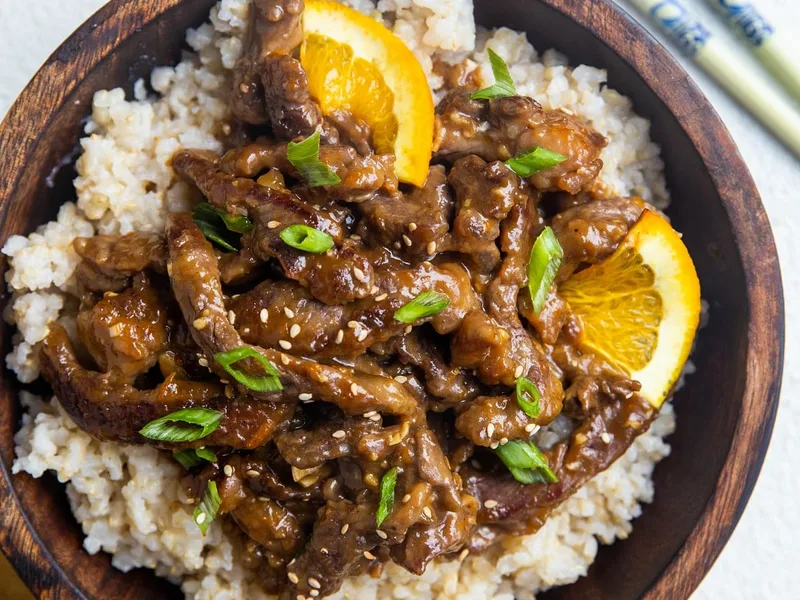
30-Minute Pan-Seared Orange Beef with Tapioca Crust
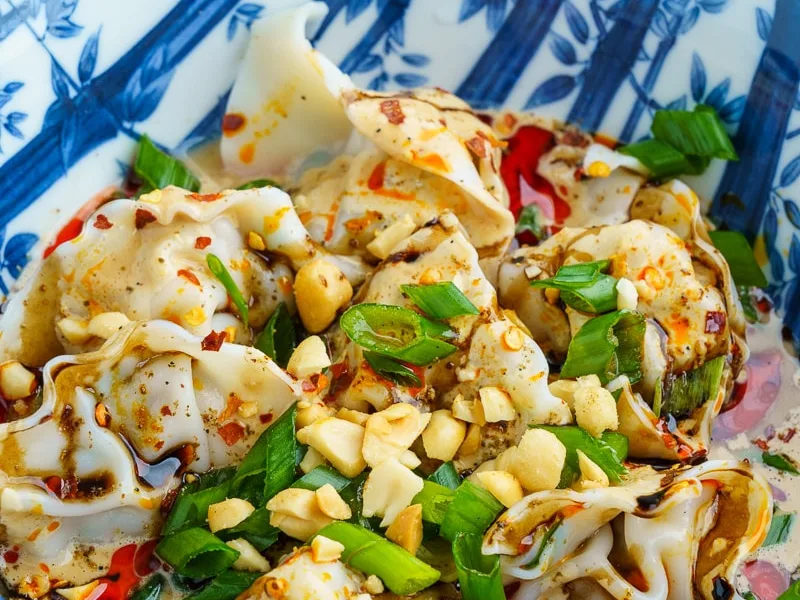
Cold Shanghai Wontons in Peanut Sauce and Chili Oil
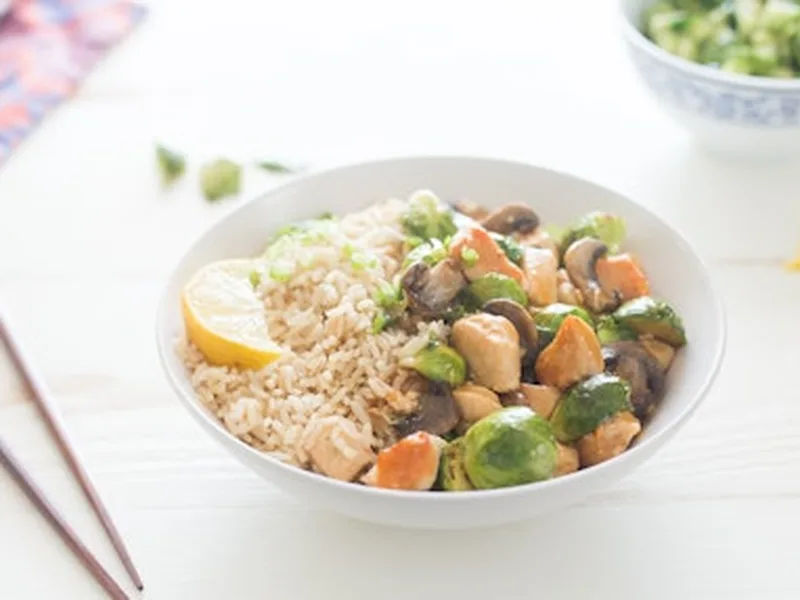
Caramel Chicken Brussels Sprouts Stir-Fry with Rice
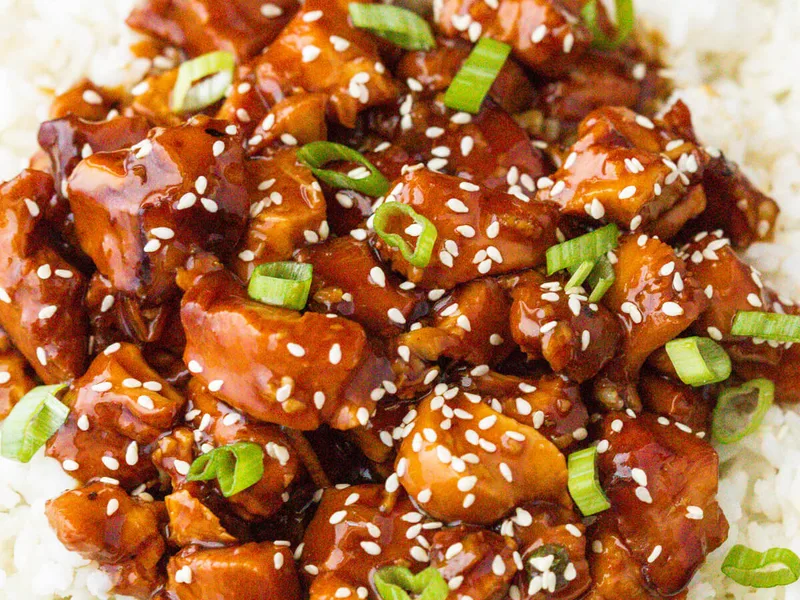
Slow Cooker Orange Chicken with Sesame and Green Onions
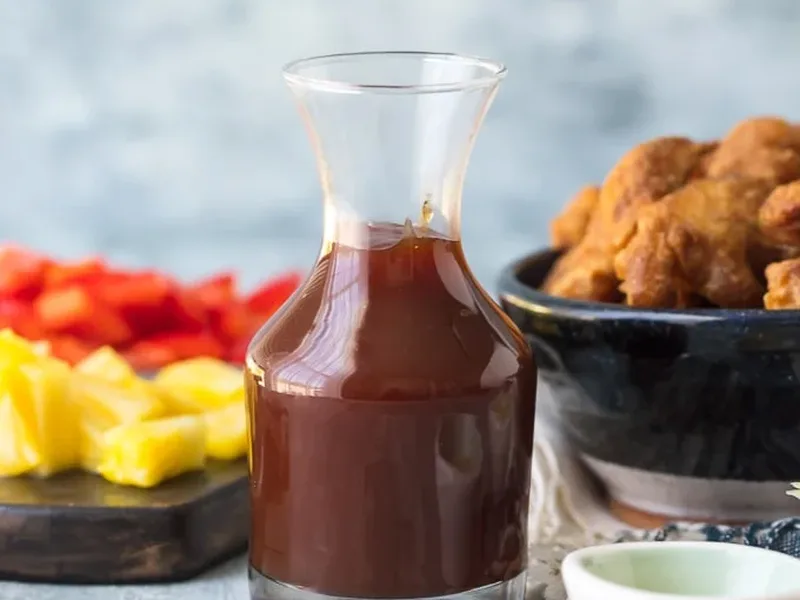
Homemade Sweet and Sour Sauce with Pineapple Juice
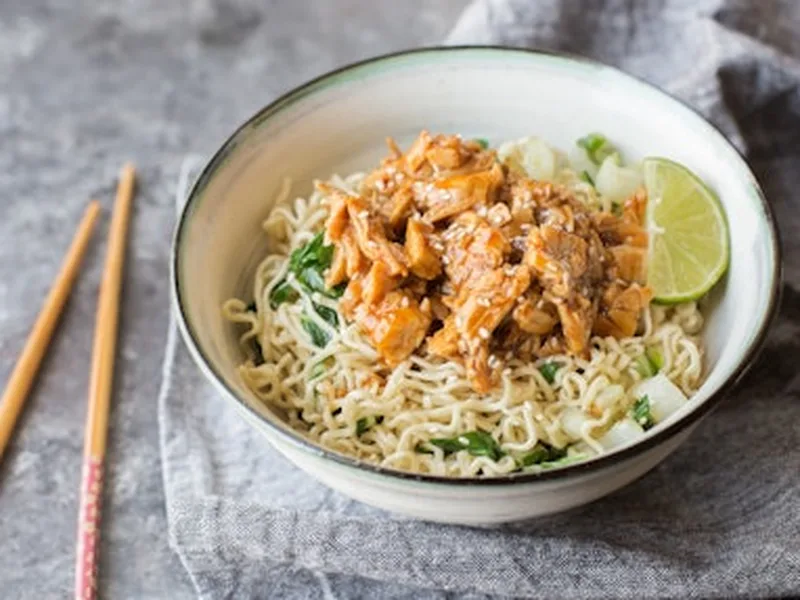
Hoisin Glazed Tofu Rice Bowls with Baby Bok Choy
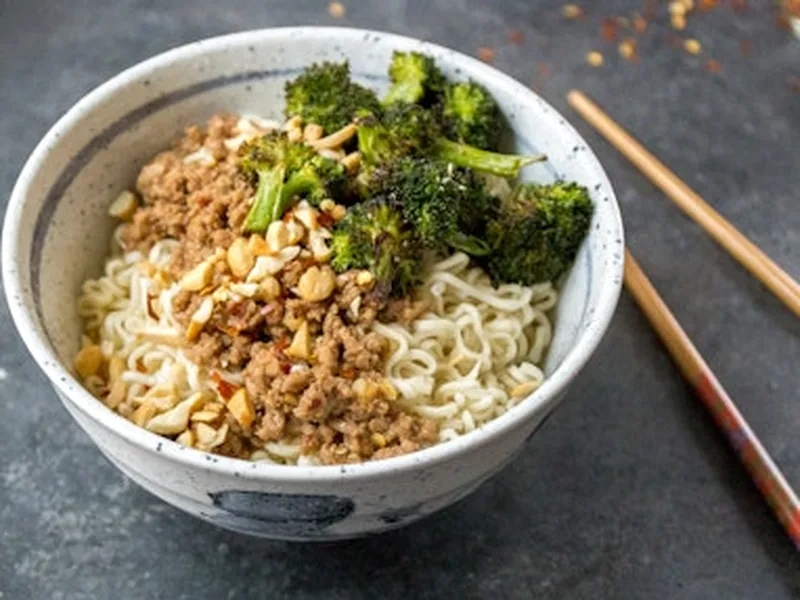
Dan Dan-Style Sesame Pork Noodles with Broccoli
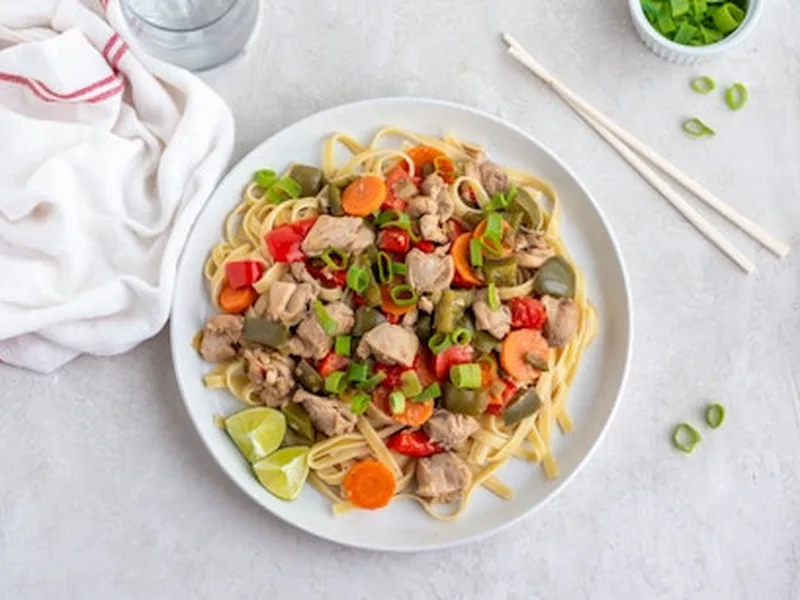
Xinjiang Big Plate Tofu with Wide Pasta and Five-Spice Broth
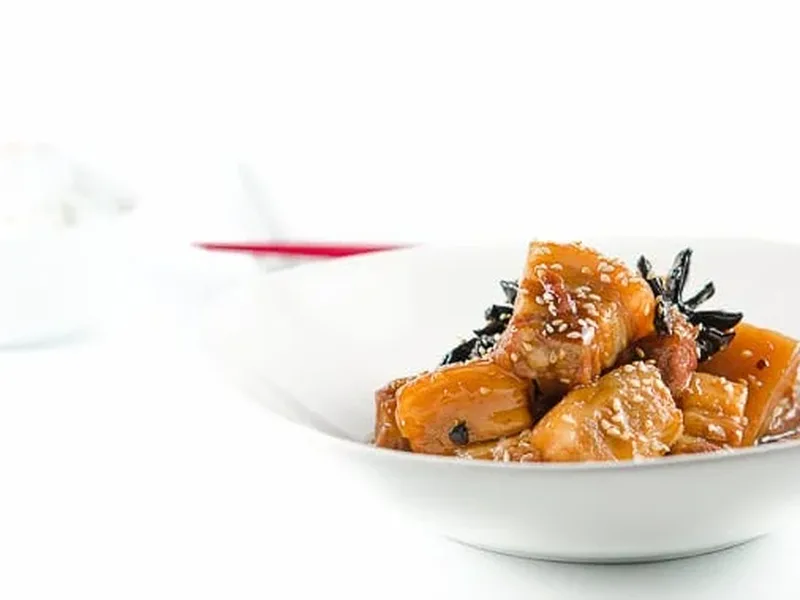
Sticky Szechuan Pork Belly with Toasted Sesame Seeds
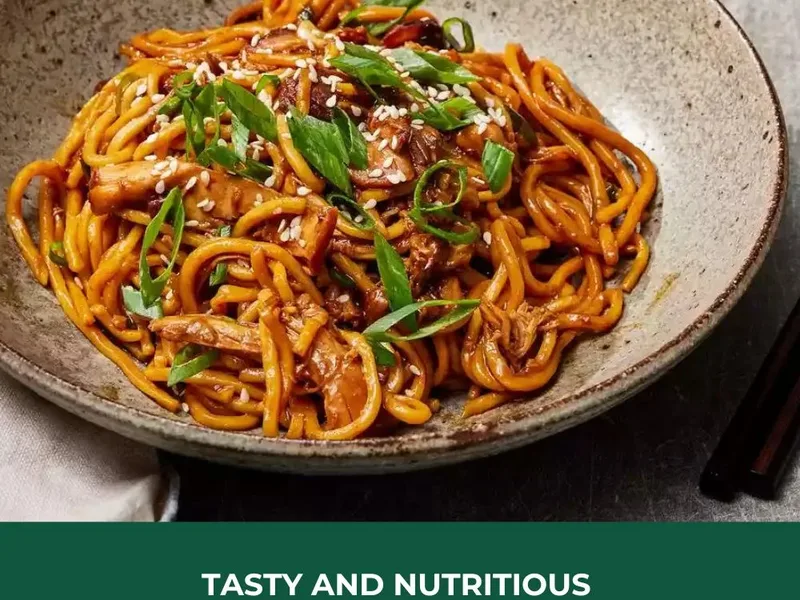
Slow Cooker Honey Garlic Chicken Noodles with Asian Sauce
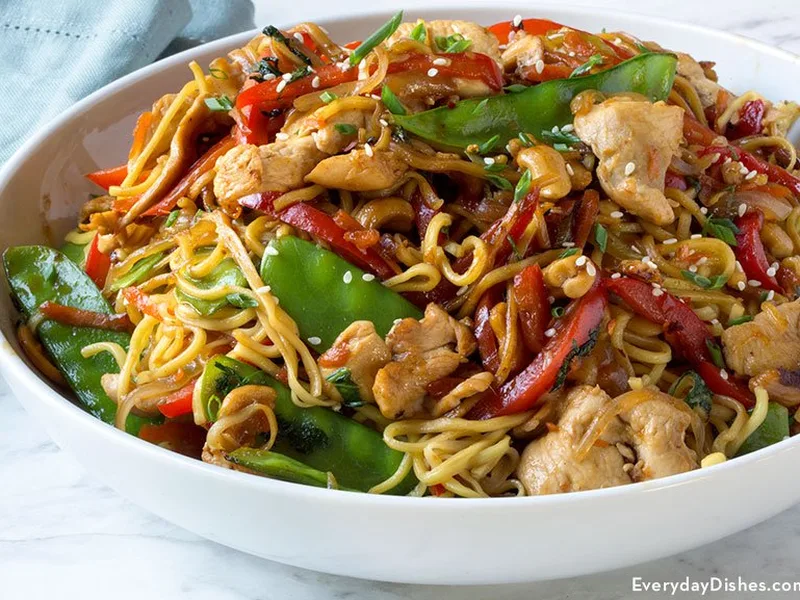
Quick Chicken Stir-Fry with Chow Mein Noodles and Vegetables
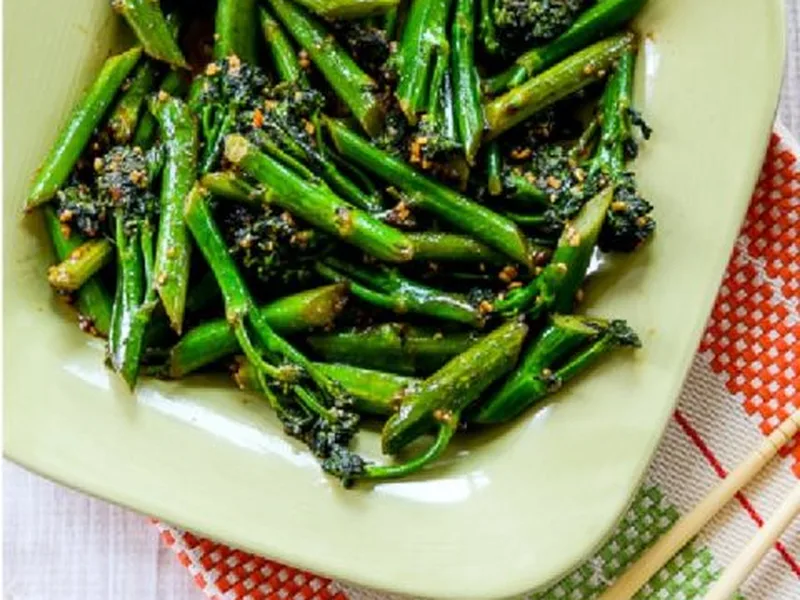
Garlic Ginger Stir-Fried Broccolini with Oyster Sauce
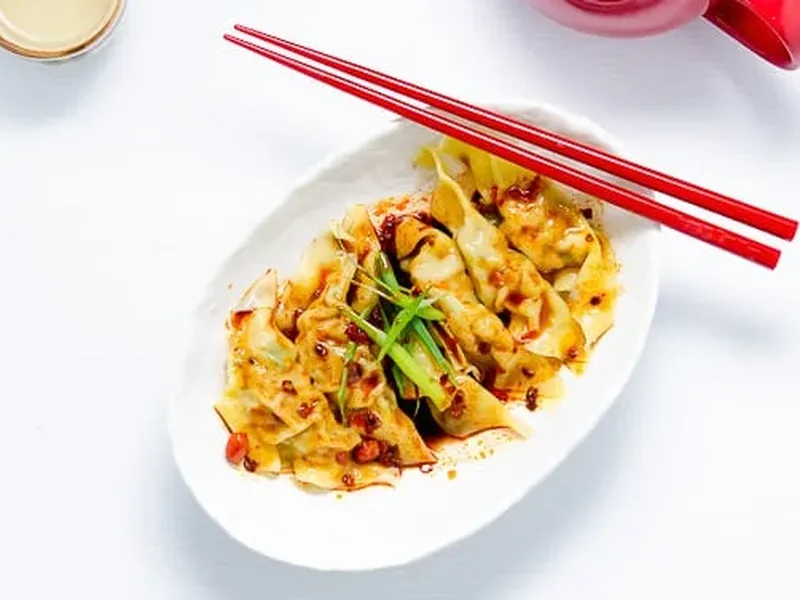
Sichuan Chilli Oil Wontons with Pork and Cabbage
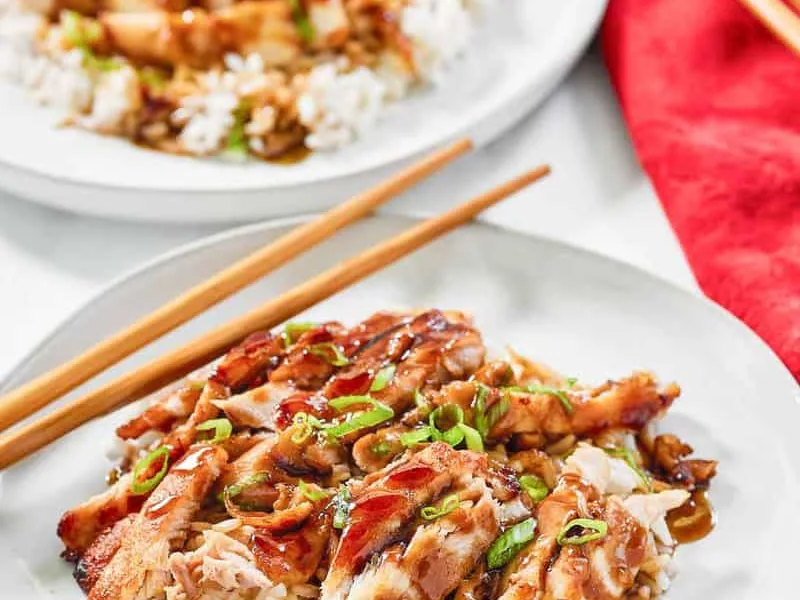
Grilled Teriyaki Chicken with Homemade Sauce Recipe
Chinese cooking relies on heat. Fast heat.
A proper stir-fry happens at 500F or higher, with ingredients moving constantly in a carbon steel wok. Everything cooks in under 5 minutes. Prep takes longer than cooking.
Soy sauce appears in 80% of Chinese dishes, but it's not just one sauce. Light soy sauce adds saltiness without much color. Dark soy sauce brings deep brown color and slight sweetness. Sweet soy sauce contains molasses. Each serves a different purpose. Using table salt in Chinese cooking usually means you're doing it wrong.
Texture matters as much as flavor. Silky soft tofu contrasts with crunchy water chestnuts. Tender char siu pork plays against crispy wontons. Every dish balances at least two textures.
Five core flavors define Chinese cooking: sweet, sour, salty, bitter, and umami. Most dishes combine three. Kung pao chicken hits sweet from sugar, sour from vinegar, salty from soy sauce. Mapo tofu adds bitter from fermented bean paste, umami from ground pork.
The wok creates wok hei, that smoky char flavor you can't get from a regular pan. Home cooks struggle because standard stovetops max out at 25,000 BTUs. Restaurant wok burners hit 100,000 BTUs. You can compensate by working in smaller batches, heating your wok until it smokes, never crowding ingredients.
Cornstarch shows up everywhere. Mix 1 tablespoon cornstarch with 2 tablespoons water for a slurry that thickens any sauce. Toss meat in cornstarch before stir-frying for a protective coating that keeps it tender. Dust vegetables lightly for extra crispiness.
Garlic and ginger form the base of most dishes. Fresh ginger root, never powdered. Garlic cloves smashed with the flat side of a cleaver, not pressed through a garlic press. The ratio usually runs 2:1 garlic to ginger.
Chinese cooking feeds families. Most recipes serve 4-6 people, meant to share. Order matters at the table: soup first to wake up the palate, then vegetables and tofu, then meat dishes, finally rice or noodles to fill remaining space.
Home cooks can master this cuisine with three tools: a carbon steel wok, a spider skimmer, and a good cleaver. Skip the electric rice cooker until you nail the basics.
Essential Ingredients
Key Techniques
FAQ
Why doesn't my stir-fry taste like restaurant versions?
Temperature and sodium. Restaurants use wok burners hitting 100,000 BTUs while home stoves max at 25,000 BTUs. They also use 3x more oil and 2x more salt than home recipes suggest. Compensate by cooking smaller 4-6 ounce batches, preheating your wok for 3 minutes until smoking, and using 3 tablespoons oil per batch. Season with 1 tablespoon light soy sauce per serving.
What's the difference between light and dark soy sauce?
Light soy sauce contains 1,200mg sodium per tablespoon and adds salt without color. Dark soy sauce has 900mg sodium, 2 grams sugar per tablespoon, and molasses for color. Use light for seasoning, dark for color. A typical stir-fry uses 2 tablespoons light soy and 1 teaspoon dark. Premium soy sauce aged 6+ months costs $8-12 but transforms simple dishes.
How do I get crispy vegetables that stay green?
Blanch in salted boiling water (1 tablespoon salt per quart) for 60 seconds, then shock in ice water. Dry completely. Stir-fry in 450F oil for 30-45 seconds. The blanching sets the color, ice bath stops cooking, high heat adds crispness. Works for green beans, broccoli, bok choy.
Can I make authentic Chinese food without a wok?
Yes, using a 12-inch cast iron skillet. Preheat 5 minutes over high heat until water droplets evaporate in under 2 seconds. Use 25% more oil than wok recipes call for since food contacts less surface area. Cook in batches no larger than 6 ounces to maintain temperature above 400F. The results hit 85% of wok quality.