Keto Recipes
2,554 recipes
No-Bake Strawberry Cheesecake with Pretzel Crust

Peanut Butter and Strawberry Jam Smoothie Bowl

Baked Pesto Chicken Sliders with Melted Cheese

Hot Sausage Balls with Bisquick and Cheddar

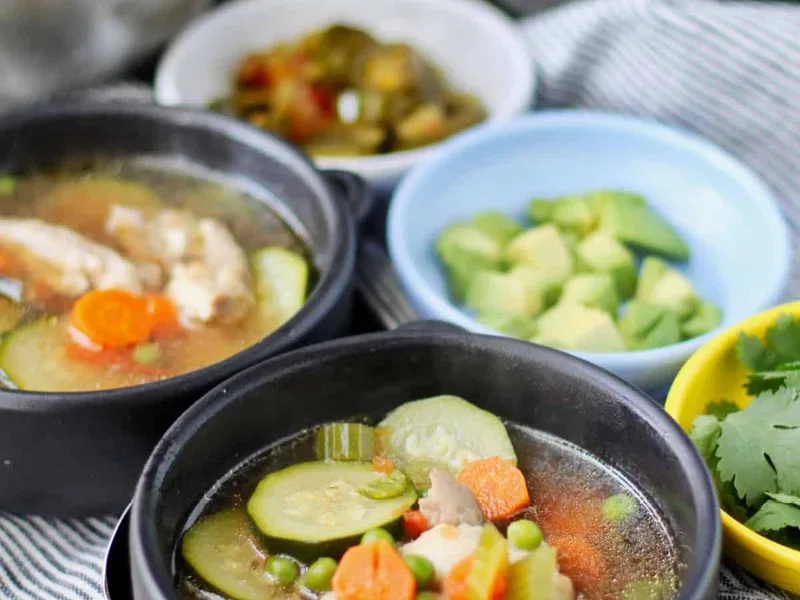
Slow Cooker Chicken Chile Relleno Soup

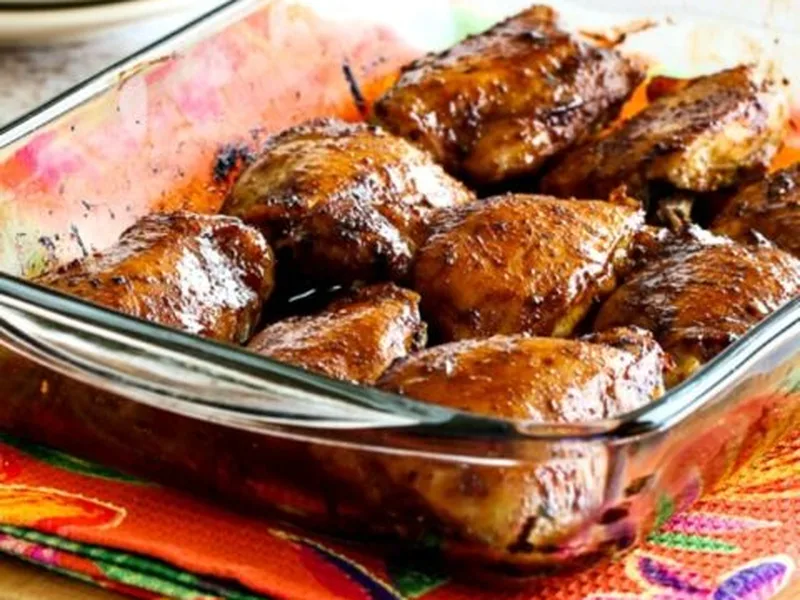
Slow Cooker Hoisin Chicken with Ginger Garlic

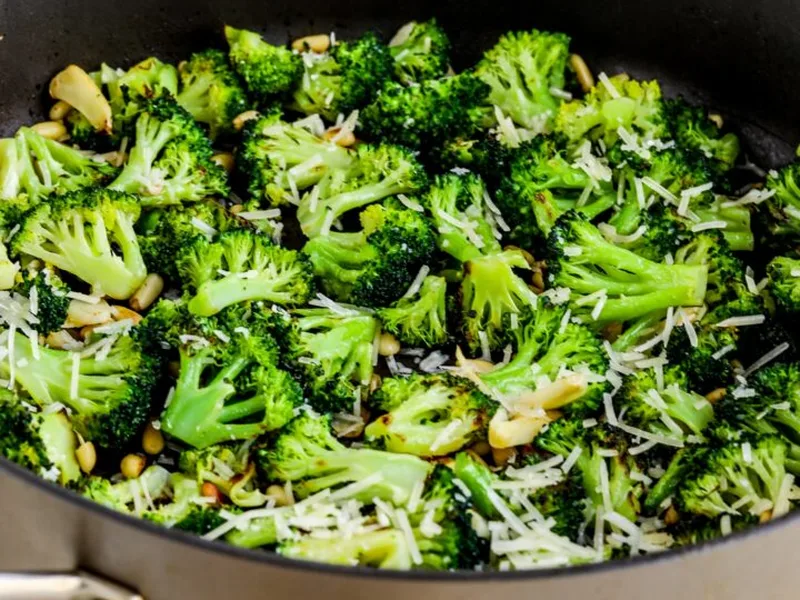
Stovetop Lemon Dill Chicken with Broccoli in Garlic Butter

Authentic Ghanaian Red-Red Bean Stew with Smoked Fish

Green Split Pea and Ham Soup with Bacon and Herbs

Keto Cheesy Cheddar Fathead Puffs - Low Carb Baked

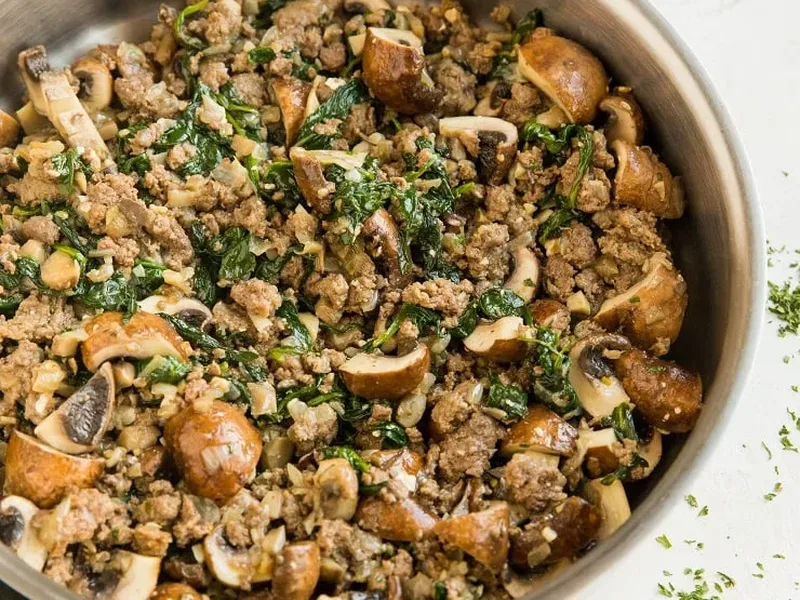
Low Carb Tuscan Sausage Skillet with Creamy Parmesan

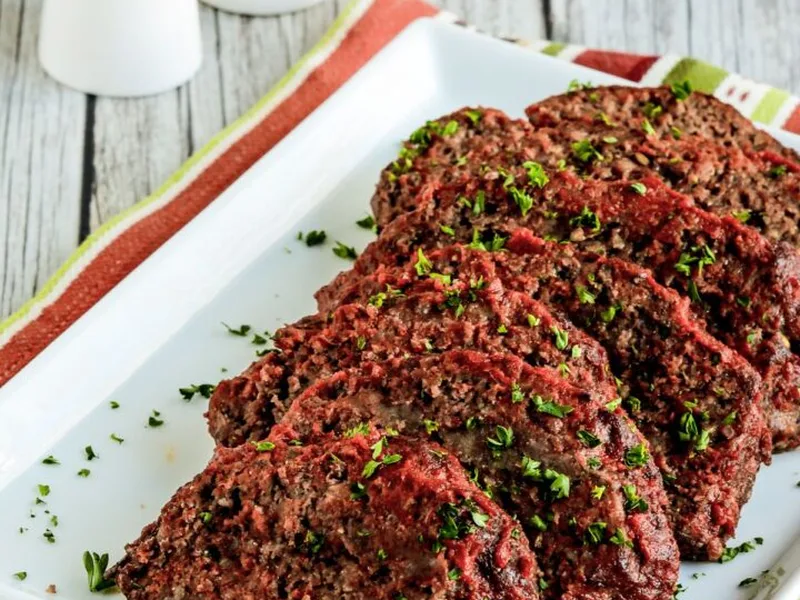
Keto Cheddar Stuffed Beef Meatloaf Roll with Dijon Mayo Glaze

Keto No-Churn Strawberry Mascarpone Ice Cream

Keto BLT Omelette with Crispy Pancetta

Keto Toad in the Hole with Protein Batter and Chipolatas

Keto Flaxseed Almond Parmesan Herb Crackers

Keto Cream of Lettuce Soup with Garlic and Nutmeg

Keto Cheese Stuffed Turkey Meatloaf with Marinara

Keto Italian Artichoke Chicken Bake with Cauliflower Mash

Keto Grilled Pan-Seared Chicken Caesar Salad

Keto Bacon-Wrapped Filet Mignon with Whipped Blue Cheese

Keto 5-Ingredient Steak with Rich Onion Pan Gravy

Low Carb Fathead Stuffed Crust Sheet Pan Pizza

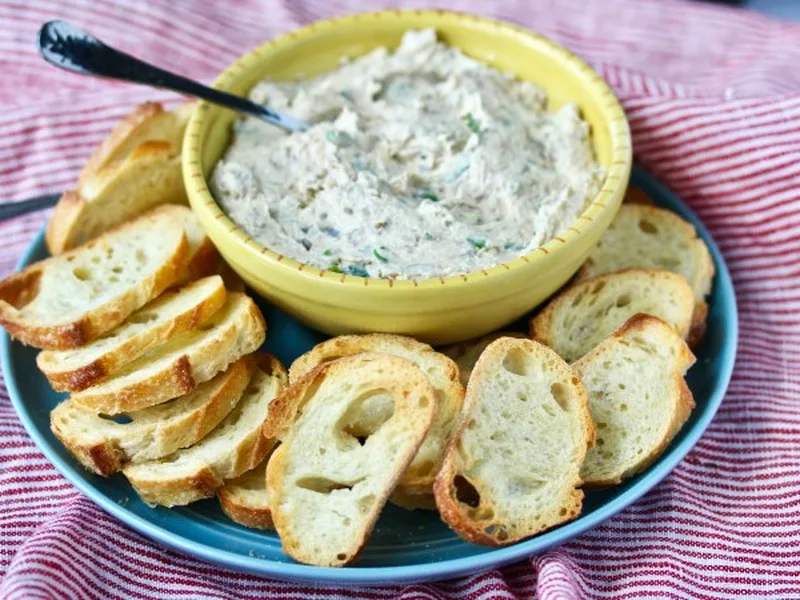
Keto Feta Dip with Roasted Scallions and Lemon
Keto cooking means keeping your daily carbs between 20-50g while filling your plate with fats and moderate protein. That's about 5-10% carbs, 70-80% fat, and 15-25% protein of your daily calories. Your kitchen becomes a place where cauliflower transforms into rice, zucchini becomes noodles, and almond flour replaces wheat in everything from pancakes to pizza crust. Start by clearing out sugar, bread, pasta, and most fruits. Stock up on meats, fish, eggs, cheese, nuts, and low-carb vegetables like spinach, broccoli, and bell peppers. Cooking keto means reading every label since sugar hides in unexpected places. A tablespoon of ketchup has 4g carbs. Most yogurts pack 15-20g per cup. Even milk contains 12g per cup. Replace these with sugar-free versions or skip them entirely. Fat becomes your main energy source, so don't fear it. Add butter to vegetables, cook with coconut oil, and keep heavy cream on hand for coffee and sauces. Meal prep makes keto easier. Cook 2-3 pounds of ground beef on Sunday for quick weeknight meals. Hard-boil a dozen eggs. Wash and chop low-carb vegetables. Make fat bombs using coconut oil, nut butter, and stevia for when you need quick energy. Restaurant eating requires planning. Order burgers without buns, swap fries for salad, and ask for extra butter or olive oil. Most places will wrap sandwiches in lettuce instead of bread. Common mistakes include not eating enough fat, forgetting to count carbs in vegetables, and skipping electrolytes. Add 1/4 teaspoon salt to your water twice daily. Take 400mg magnesium before bed. These help prevent the tired feeling some experience when starting. Track your macros with an app for the first month. After that, you'll know which foods fit and which don't. A typical day might include scrambled eggs cooked in 2 tablespoons butter for breakfast, a salad with 4oz grilled chicken and 3 tablespoons ranch for lunch, and 6oz salmon with asparagus roasted in olive oil for dinner.
Quick Start
Buy pre-spiralized zucchini noodles to replace pasta in under 5 minutes of cooking. Keep string cheese and pepperoni in your bag for emergency snacks with zero prep. Make coffee with 1 tablespoon butter and 1 tablespoon MCT oil blended for 30 seconds as a filling breakfast. Batch cook egg muffins in a 12-cup tin every Sunday. Mix 8 eggs with cheese, bacon, and spinach, bake at 350°F for 18-20 minutes. Each muffin has 1g carb and reheats in 30 seconds.
Pantry Staples
Use 1:1 for coconut flour in most recipes. Stores 6 months in freezer. Essential for keto baking.
Solid at room temperature. Use for high-heat cooking up to 350°F. Lasts 2 years in pantry.
35-40% fat content. Whips into desserts, thickens sauces. Use within 7 days of opening.
8oz block = 6g carbs total. Base for fat bombs and desserts. Softens in 30 minutes at room temp.
Measures 1:1 for sugar. Zero glycemic impact. May cause cooling sensation in desserts.
1 tablespoon binds keto bread. Absorbs 10x its weight in water. Mix quickly to prevent clumping.
Start with 1 teaspoon daily. Increase slowly to avoid digestive issues. Add to coffee or smoothies.
Fresh or frozen. 1 cup = 3g net carbs. Microwave 4-5 minutes or sauté in butter.
Crush for breading. 1oz = 0g carbs, 5g protein. Replace breadcrumbs in any recipe.
2 tablespoons = 2g net carbs. Soak 1:6 ratio with liquid for pudding. Refrigerate overnight.
Higher in omega-3s than regular. Use 1-2 tablespoons per meal. Clarify for higher smoke point.
1 cup = 1-2g carbs. Drink hot with salt for electrolytes. Make ice cubes for quick use.
Watch Out For
1 tablespoon honey = 17g carbs. Even small amounts exceed daily limits.
1 slice bread = 15-20g carbs. This includes wheat, rice, oats, quinoa, and corn products.
1 medium apple = 25g carbs. Stick to 1/4 cup berries maximum per day.
1 medium potato = 37g carbs. Includes carrots, beets, sweet potatoes.
1/2 cup black beans = 20g carbs. All beans, lentils, and chickpeas are too high.
1 cup whole milk = 12g carbs from lactose. Use unsweetened almond milk with 1g carb instead.
12oz beer = 10-20g carbs. Stick to dry wines at 3-4g per 5oz glass or spirits with zero carbs.
Manufacturers add sugar when removing fat. Full-fat Greek yogurt has 6g carbs vs 20g in low-fat versions.
FAQ
How do I calculate net carbs?
Subtract fiber from total carbs. If a food has 10g total carbs and 7g fiber, it has 3g net carbs. Sugar alcohols like erythritol can also be subtracted. Most keto followers aim for 20-30g net carbs daily. Always check labels since manufacturers sometimes list net carbs incorrectly. Track carefully your first month using an app that calculates automatically.
What's the difference between keto and low-carb?
Keto requires staying under 50g carbs daily to maintain ketosis, typically 20-30g for most people. Low-carb diets allow 50-150g carbs per day. Keto also requires 70-80% of calories from fat, while low-carb focuses mainly on reducing carbs without specific fat targets. You can test ketosis with urine strips that cost $8 for 100 strips.
Can I eat vegetables on keto?
Yes, focus on vegetables growing above ground. 1 cup raw spinach = 0.4g net carbs. 1 cup broccoli = 4g net carbs. 1 cup cauliflower = 3g net carbs. Avoid corn (15g per 1/2 cup), peas (8g per 1/2 cup), and carrots (6g per medium carrot). Most people can fit 3-5 servings of low-carb vegetables into their 20-30g daily limit.
What can I use instead of flour?
Almond flour works 1:1 in most recipes but adds moisture, so reduce liquids by 25%. Coconut flour absorbs more liquid, use 1/4 cup coconut flour for every 1 cup wheat flour and add an extra egg. Psyllium husk powder helps bind at 1-2 tablespoons per recipe. For thickening sauces, use 1/2 teaspoon xanthan gum instead of 1 tablespoon flour.