English Recipes
6 recipes
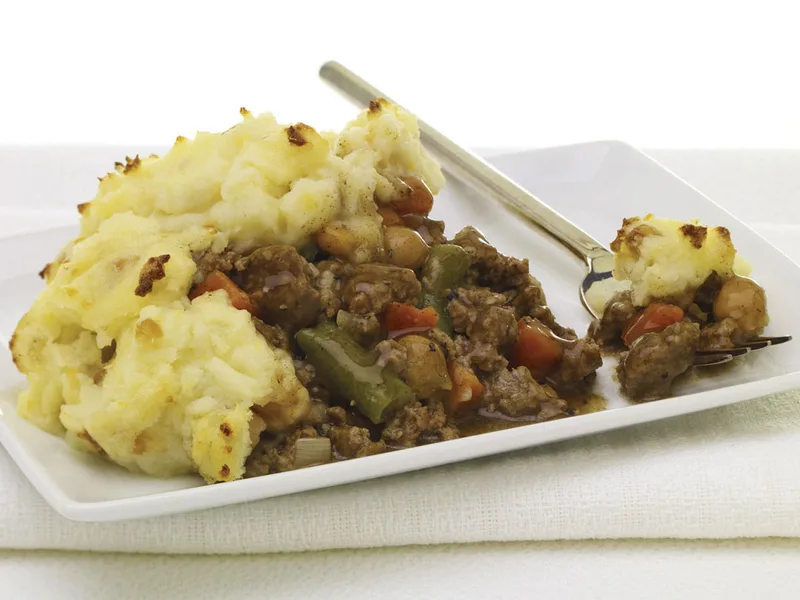
Shepherd's Pie with Cumin and Smashed Chickpeas
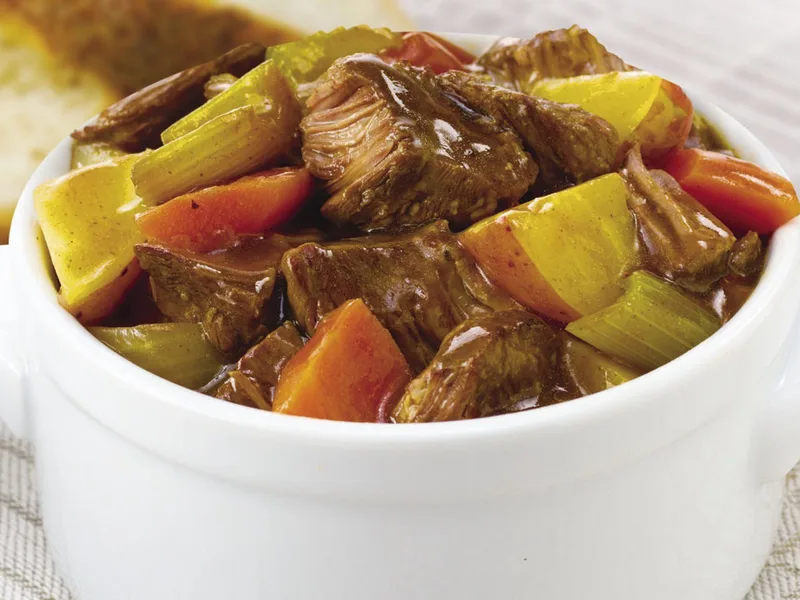
Instant Pot Beef Stew with Vegetables and Seasoning Mix
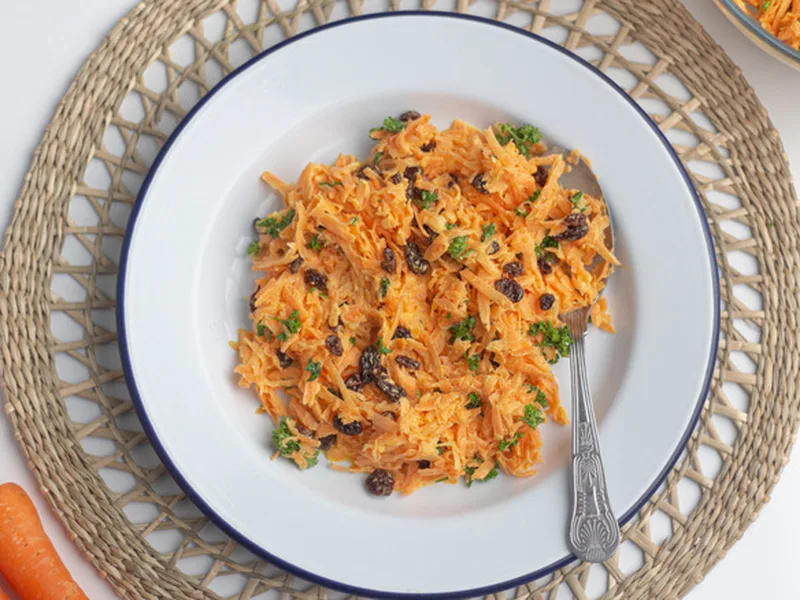
Easy Carrot Raisin Salad with Parsley
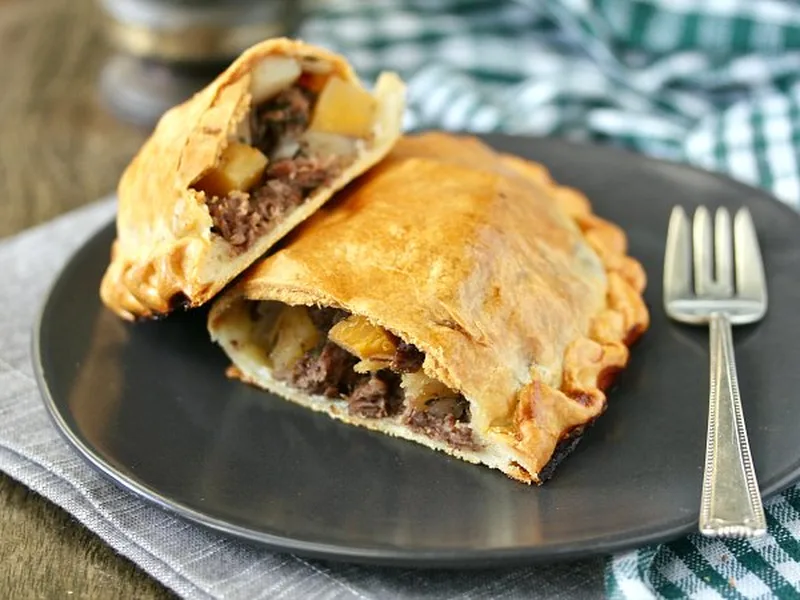
Cornish Steak Pasties with Buttery Pastry Crust
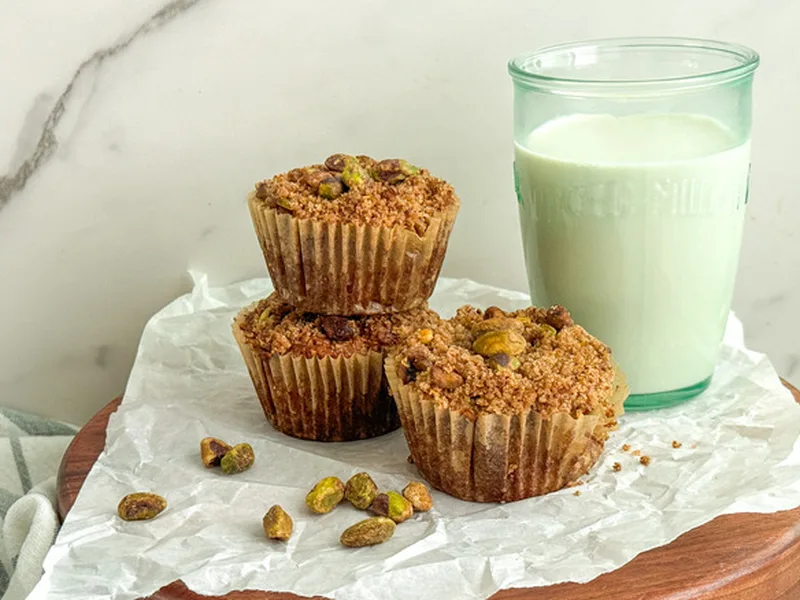
Pistachio Oat Muffins With Buttery Crumble
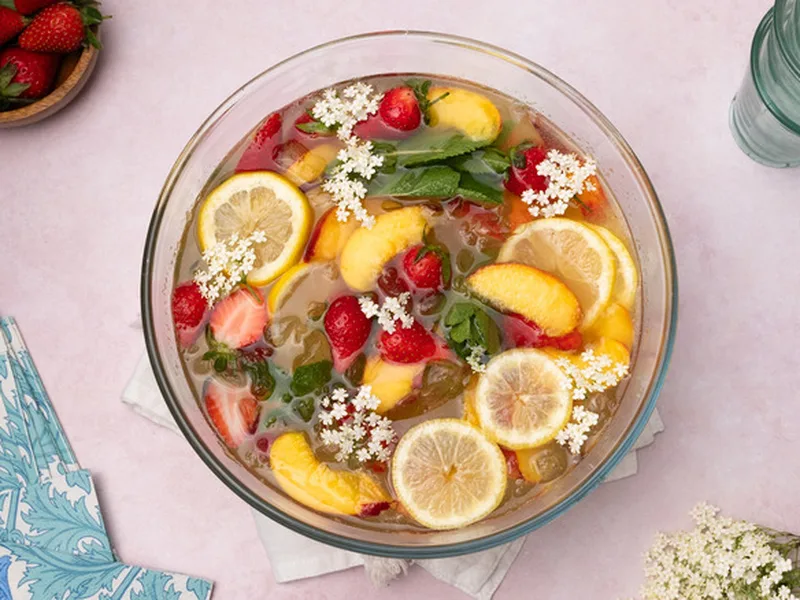
Elderflower Peach Summer Punch with Fresh Mint
English cooking gets no respect. That's fine.
The best English recipes focus on what actually matters: getting dinner on the table without fuss. Roasts that cook themselves while you do other things. Puddings that need just 10 minutes of active work. Pies with buttery crusts that use cold butter straight from the fridge.
Forget fancy techniques. English cooking relies on straightforward methods that work every time. Brown your meat at 425F for 20 minutes, then drop to 350F and let it coast. Make pastry with a 2:1 flour to fat ratio. Steam puddings for exactly 2 hours at a gentle simmer.
The flavor backbone is simple. Butter, cream, and eggs show up everywhere. Fresh herbs like parsley, thyme, and sage do the heavy lifting. Mustard adds punch to meat dishes. Lemon brightens desserts and fish.
You'll find two distinct personalities in English cooking. Traditional Sunday roasts, steak and kidney pies, and sticky toffee pudding represent the hearty side. Then there's the tea table: Victoria sponge cakes, lemon drizzle loaves, and scones that take 12 minutes in a 425F oven.
Baking dominates. Over half these recipes use the oven. That makes sense when you consider English weather. A 350F oven warms the kitchen while Sunday lunch cooks itself.
Don't expect bold spices or complex sauces. English food tastes like its ingredients. Good beef tastes like beef. Fresh peas taste like peas. A proper custard needs just egg yolks, sugar, and cream in a 4:2:1 ratio.
This works for home cooks who want reliable results. Follow the temperatures exactly. Use the right pan sizes. Let meat rest 15 minutes after roasting. Your food will turn out right.
English recipes also freeze beautifully. Make double batches of shepherd's pie or bread and butter pudding. Freeze half. Tuesday dinner sorts itself when you planned ahead on Sunday.
Essential Ingredients
Key Techniques
FAQ
What oven temperature do most English recipes use?
Most English baking happens between 350F and 375F. Scones need 425F for 12-15 minutes. Slow roasts start at 425F for 20 minutes then drop to 325F. Christmas cakes bake low at 275F for 3 hours. Victoria sponges use 350F for 25 minutes exactly.
How do I make proper English custard?
Heat 2 cups whole milk to 180F. Whisk 4 egg yolks with 1/4 cup sugar. Pour hot milk over eggs slowly, whisking constantly. Return to pan and stir over low heat until it coats a spoon at 170F. Takes 5-7 minutes. Never let it boil or it splits.
Why does my pastry turn out tough?
Overworking develops gluten. Use cold butter, work fast, handle minimally. The 2:1 flour to fat ratio needs just 3-4 tablespoons cold water. Mix until it barely holds together. Rest 30 minutes in the fridge. Roll once, no re-rolling scraps.
What's the difference between English and American baking?
English recipes use weight measurements: 225g flour, not cups. Oven temperatures run 25F lower. English butter has 82% fat versus American 80%. English cakes tend lighter and less sweet. A Victoria sponge uses equal weights butter, sugar, eggs, flour. American layer cakes use more sugar and liquid.