European Recipes
21 recipes
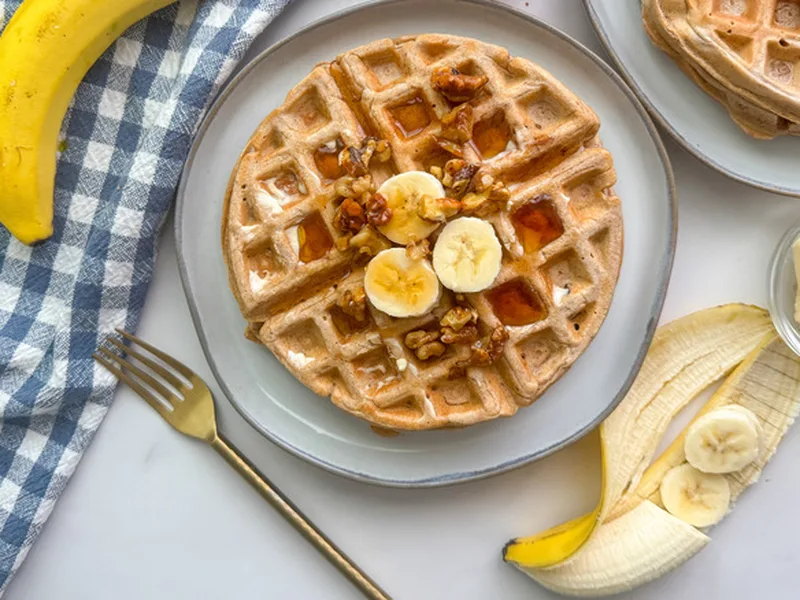
Banana Maple Walnut Waffles with Toasted Nuts
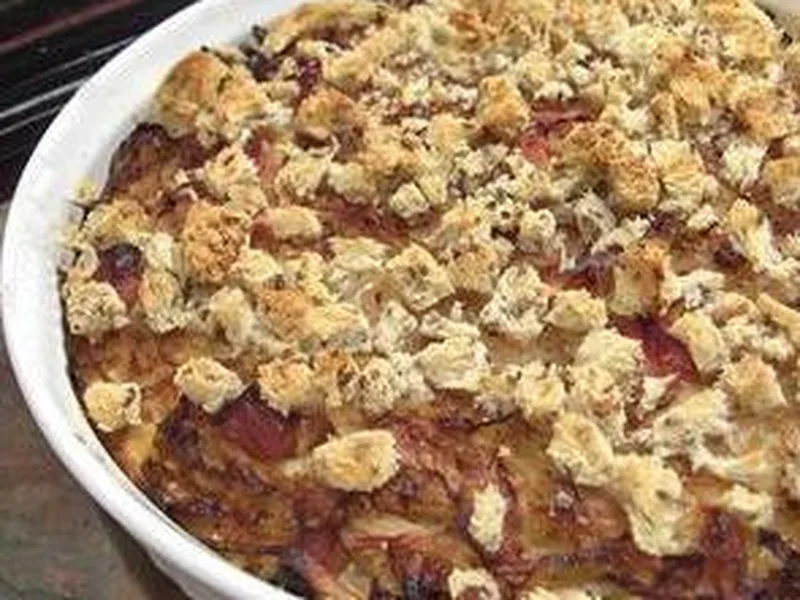
Cabbage and Bacon Bake with Breadcrumb Topping
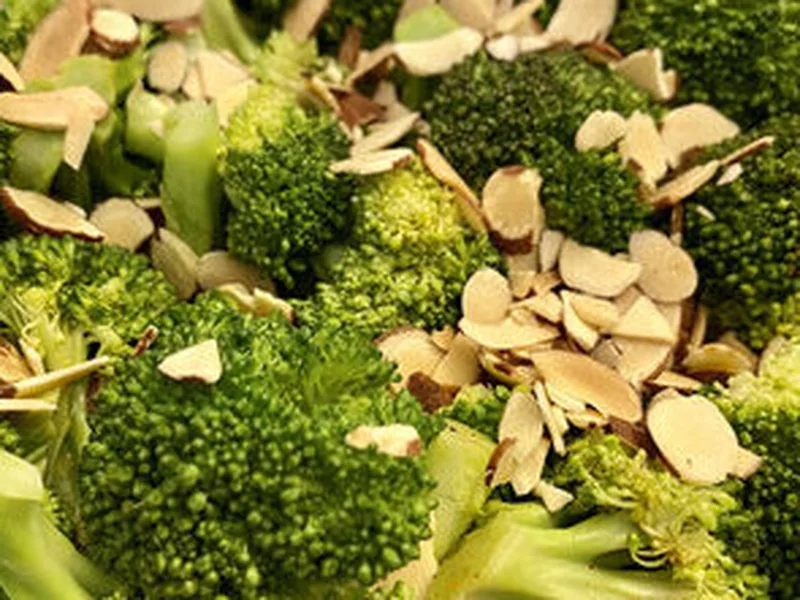
Broccoli and Almonds with Brown Butter Lemon
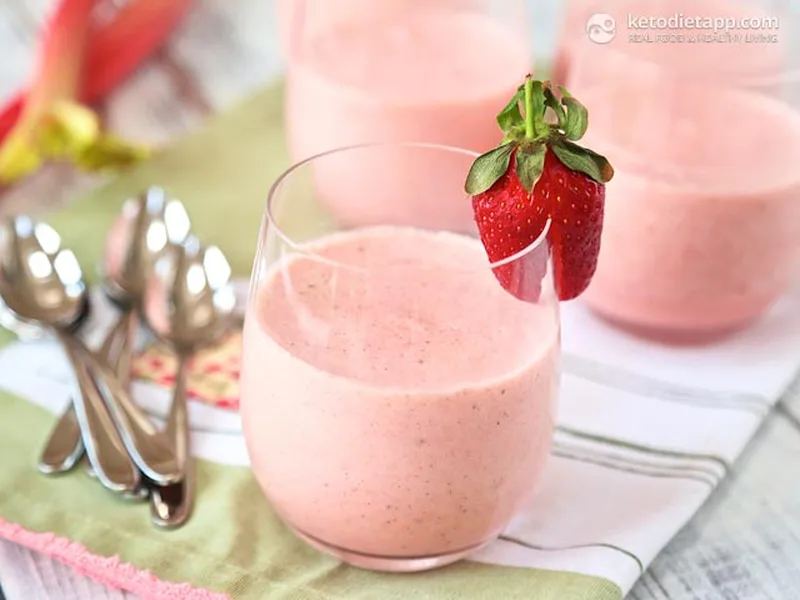
Low-Carb Strawberry Rhubarb Mousse with Erythritol
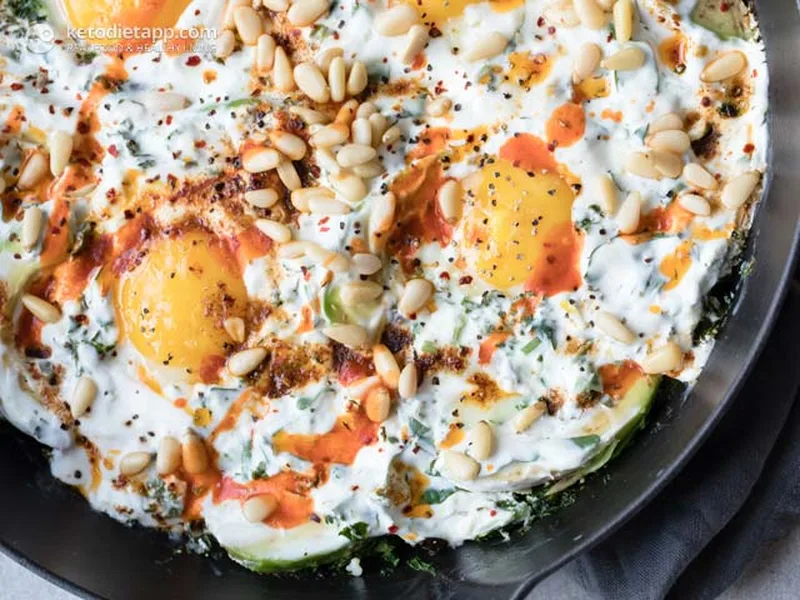
Turkish Eggs with Kale and Spiced Butter in Cast Iron Pan
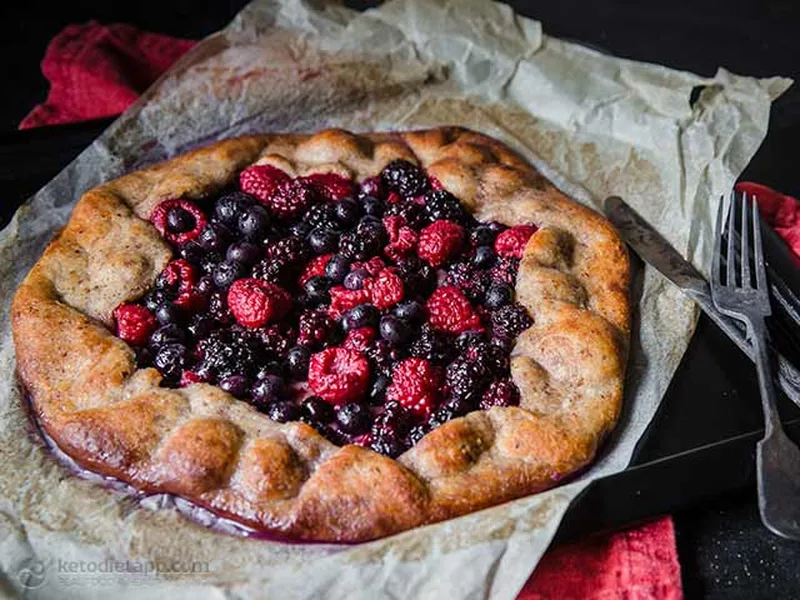
Low-Carb Almond Flour Berry Galette with Mozzarella Crust
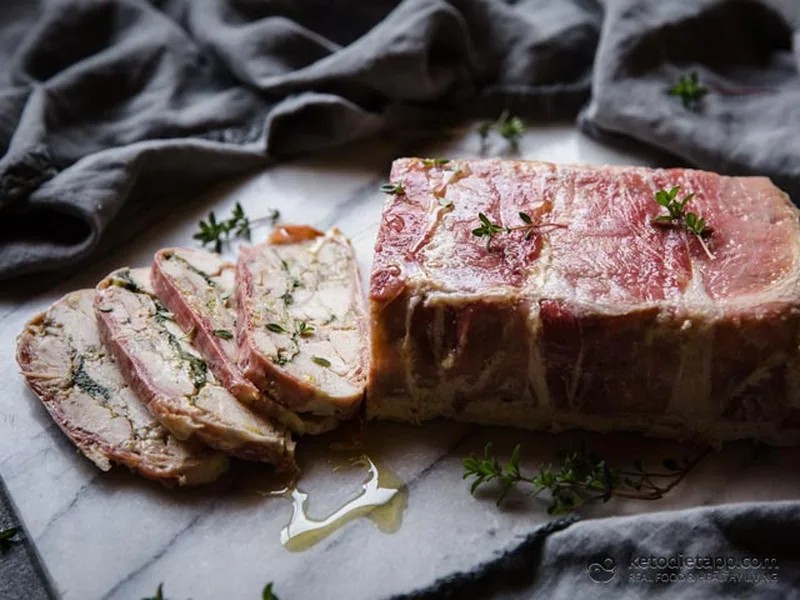
Prosciutto-Wrapped Herb Chicken Terrine
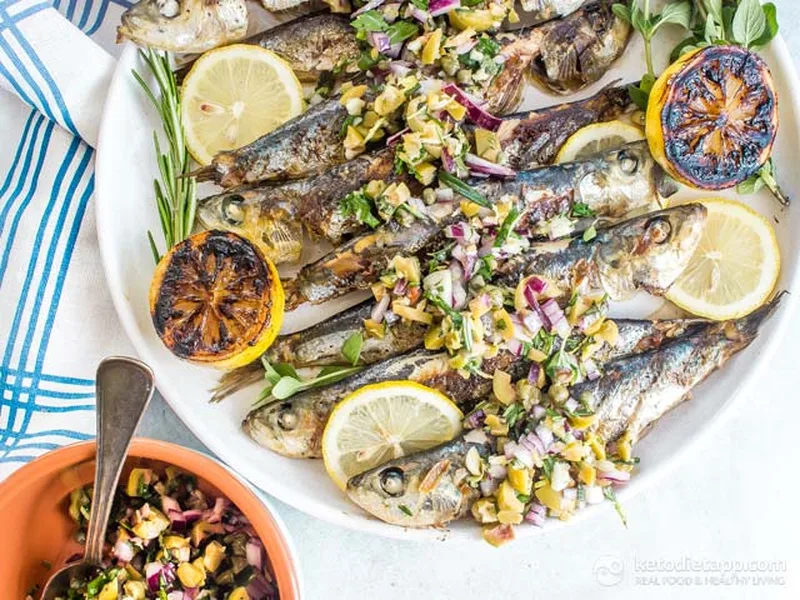
Grilled Sardines with Olive-Caper Salsa
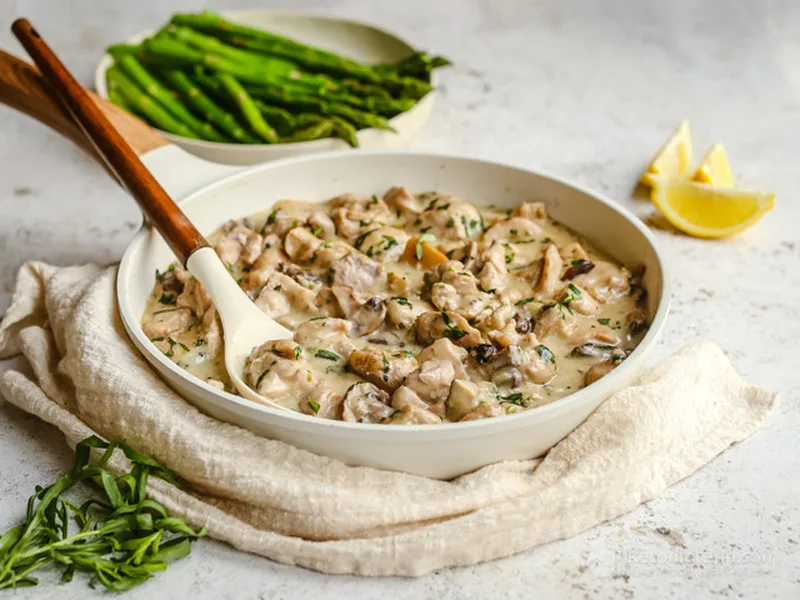
Creamy Tarragon Chicken Thighs with Mushrooms
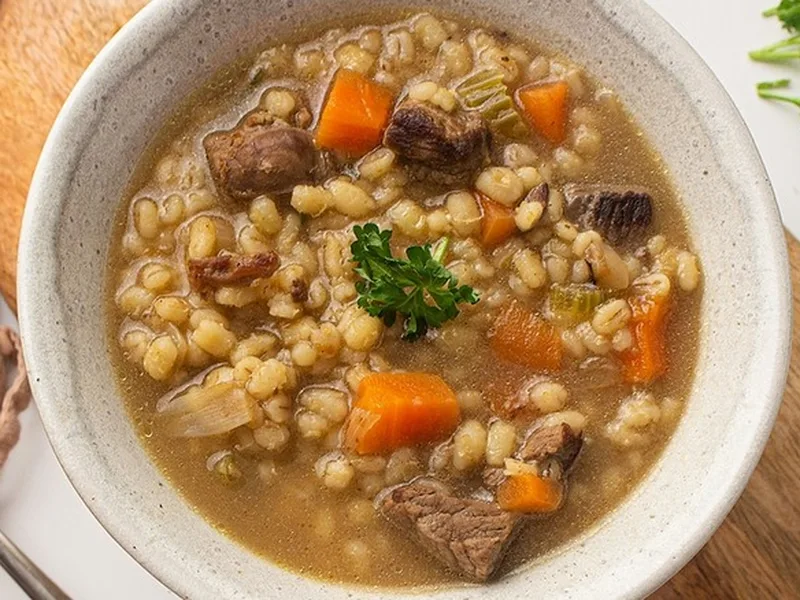
Beef and Barley Soup with Root Vegetables
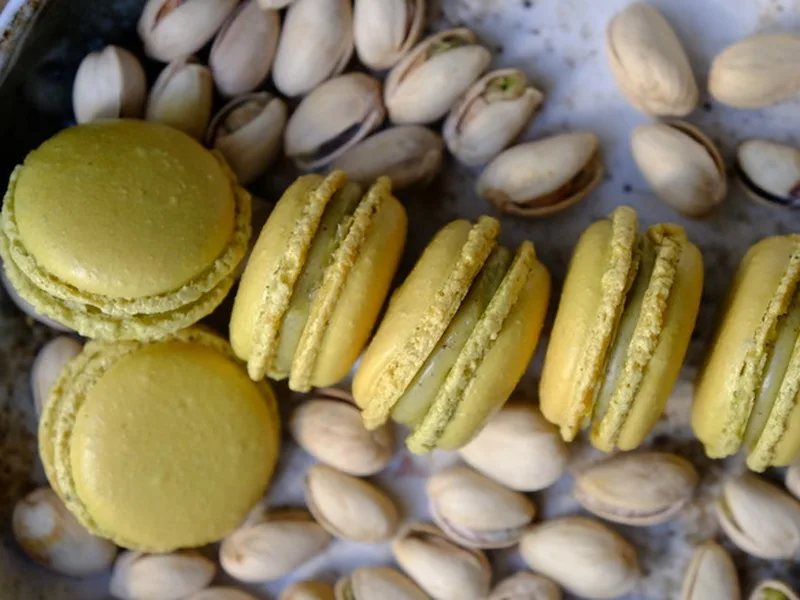
Pistachio Macarons with White Chocolate Ganache
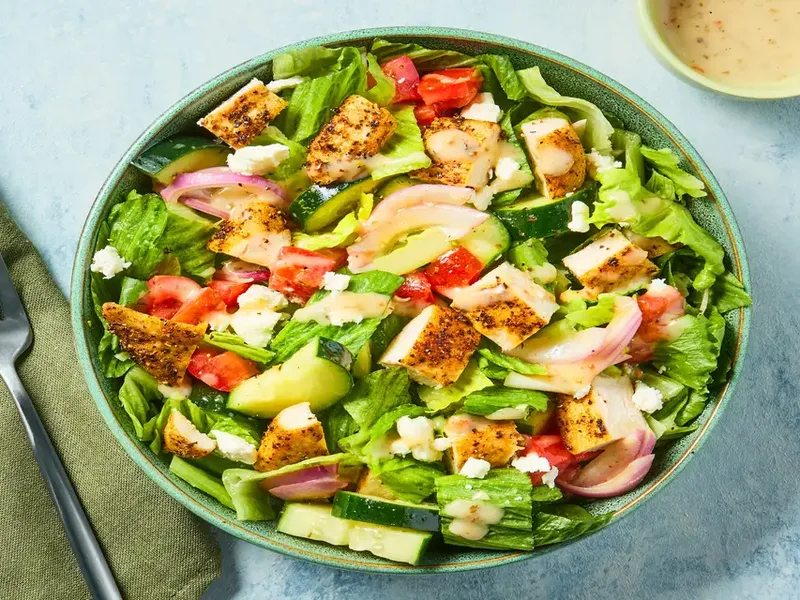
Greek Chicken Salad with Marinated Vegetables and Feta
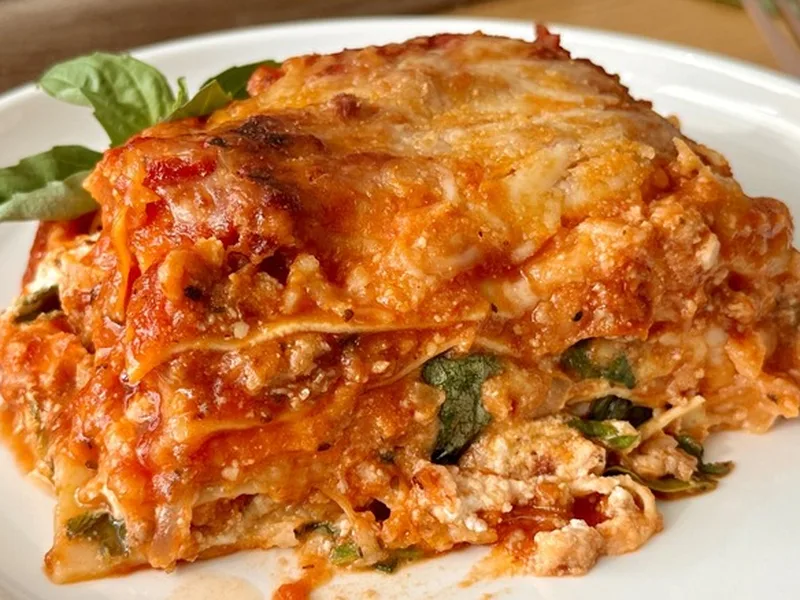
Weeknight Spinach Turkey Lasagna with Basil
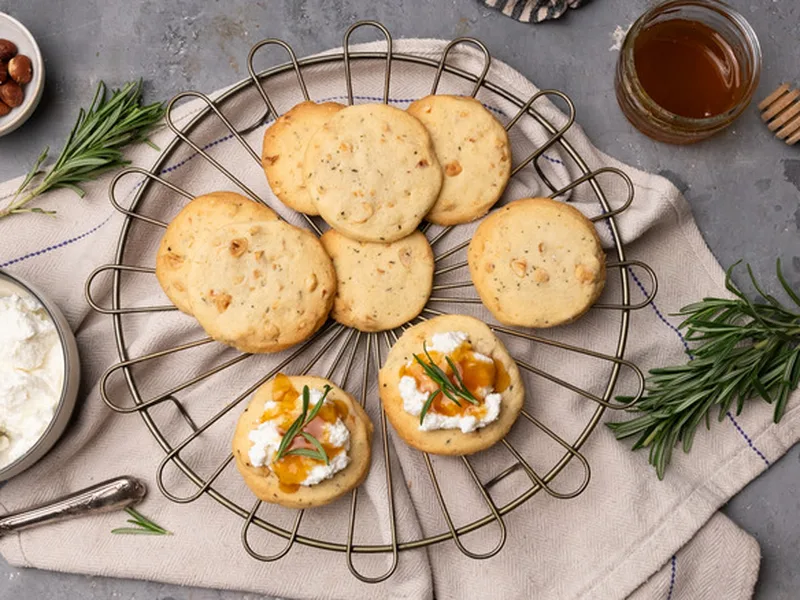
Honey Rosemary Hazelnut Shortbread Cookies
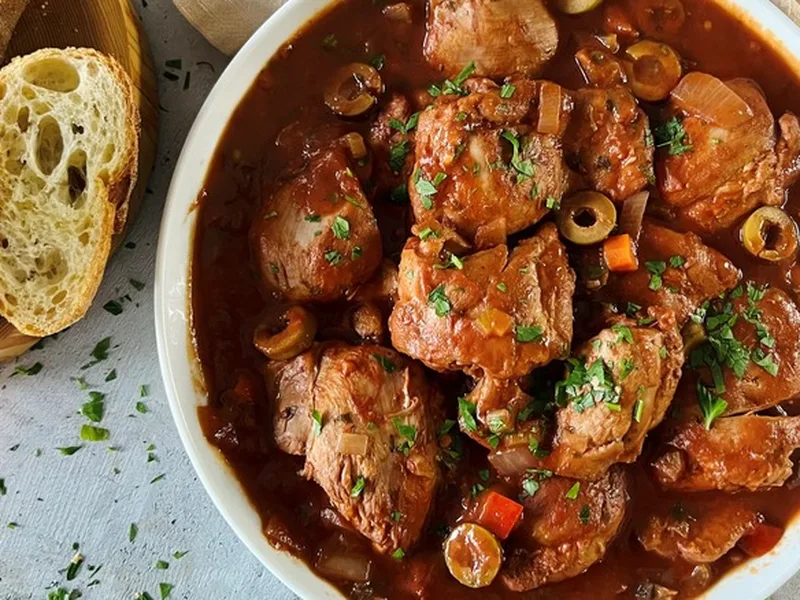
Slow Cooker Chicken Cacciatore with Red Wine and Olives
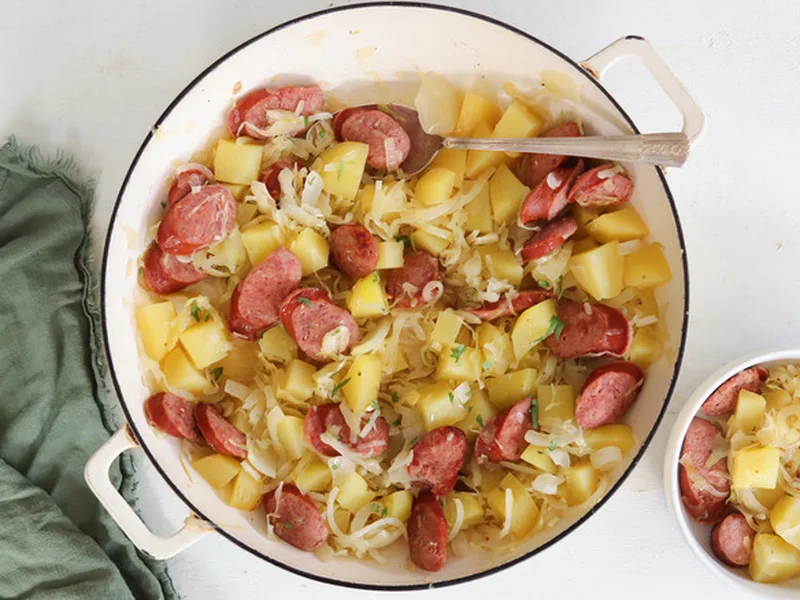
One-Pan Kielbasa Sauerkraut Skillet with Yukon Potatoes
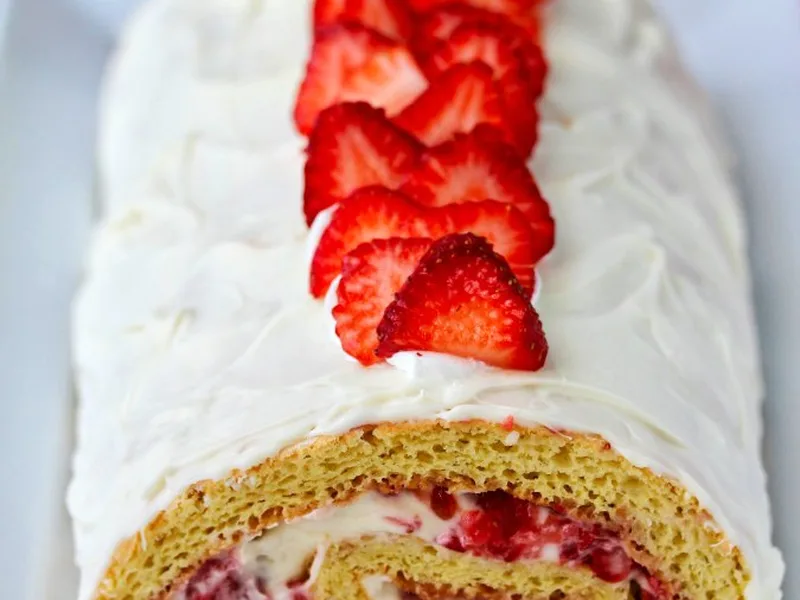
Strawberry Swiss Roll with White Chocolate Mascarpone
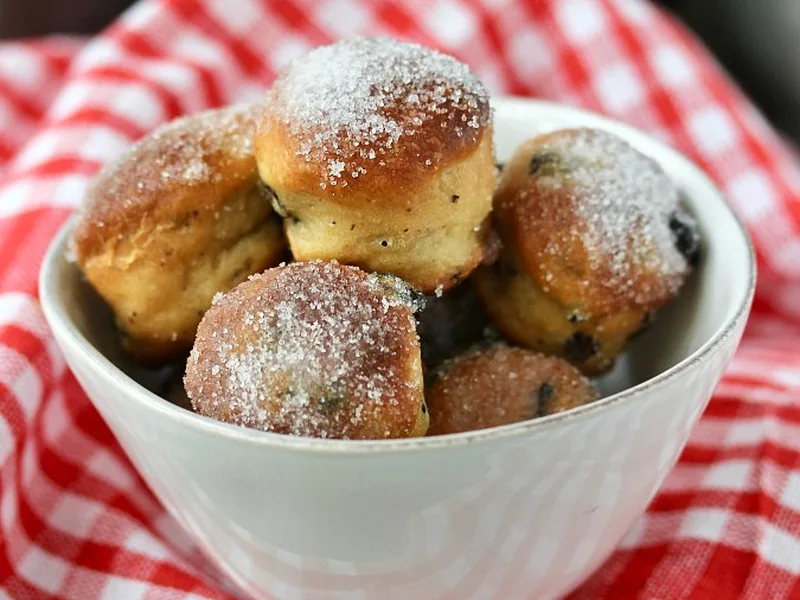
Baked Doughnuts with Currants and Warm Spices
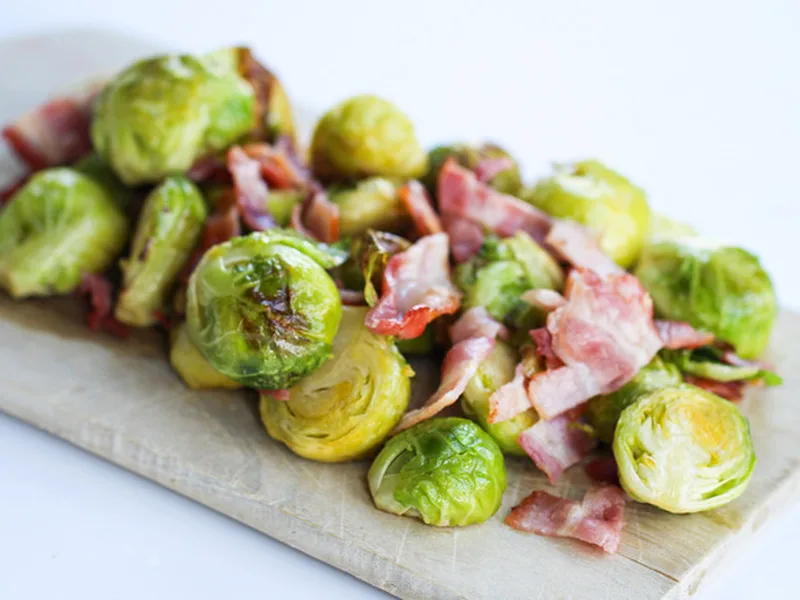
Roasted Brussels Sprouts with Crispy Bacon
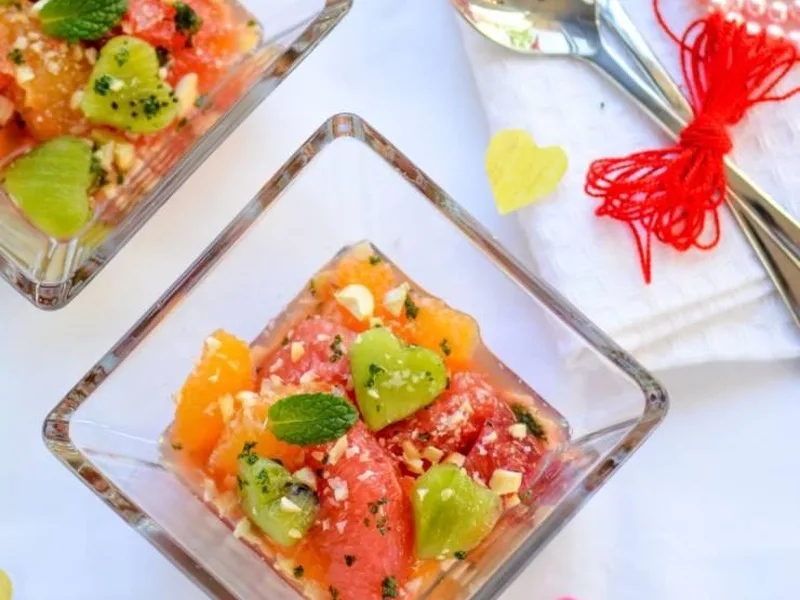
Citrus Kiwi Salad with Pistachio Mint Sugar
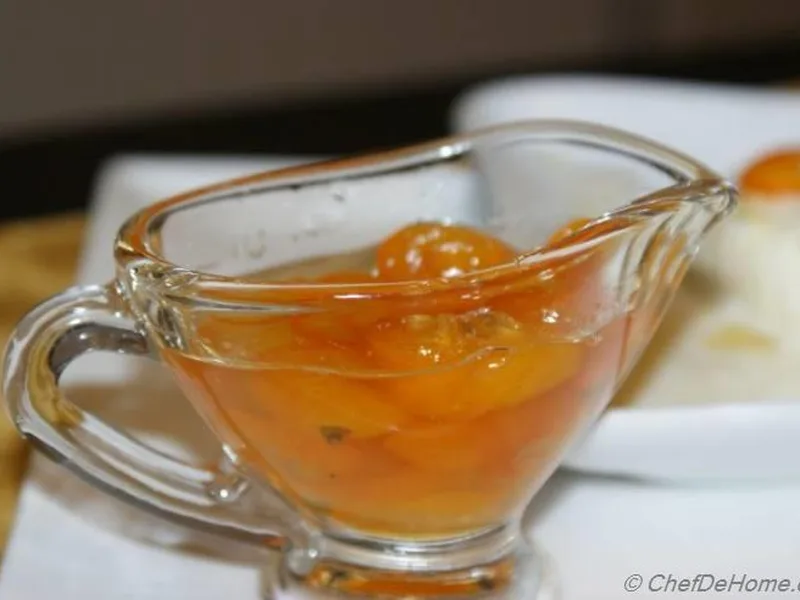
Candied Kumquat in Sweet Orange Syrup - Easy 20-Minute Recipe
European cooking spans from Portugal to Poland, Norway to Greece. Each country has its classics, but they share fundamental techniques.
Butter sears meat at 375F. Olive oil dresses salads cold or sautés vegetables at medium heat. Most European dishes start with these two fats.
Bread matters here. French baguettes need 450F ovens and steam for crispy crusts. German rye loaves proof for 12-24 hours. Italian focaccia requires 80% hydration dough. Each country perfected its own formula, but all treat bread as essential, not optional.
European cooking relies on building layers. You brown meat first, then vegetables, then deglaze with wine or stock. This creates fond, those brown bits that turn into sauce. A simple roast chicken becomes Coq au Vin when you add 2 cups red wine, pearl onions, and mushrooms to the pan drippings.
Cheese defines regions. Parmigiano-Reggiano aged 24 months tastes nothing like 6-month cheddar. Greeks crumble feta into everything. The French serve Camembert at room temperature, 68F exactly.
Desserts follow strict ratios. Pâte à choux needs 1 cup water, 4 ounces butter, 1 cup flour, 4 eggs. Change the ratio and éclairs turn into hockey pucks. Meringues require 2:1 sugar to egg white by weight.
Herbs grow wild across Europe. Italians pick basil leaves individually to avoid bruising. Germans tie dill bundles for pickles. Spanish cooks bloom saffron in 2 tablespoons warm water before adding it to paella.
This food rewards patience. Beef Bourguignon simmers 2-3 hours. Greek moussaka layers need 45 minutes at 350F to set properly. Even simple aglio e olio requires you to cook garlic in olive oil over low heat for 3-4 minutes until it turns pale gold, never brown.
Home cooks love European food because the techniques translate everywhere. Master a basic béchamel (2 tablespoons each butter and flour, 1 cup milk) and you can make lasagna, croque monsieur, or moussaka.
Start with the classics. Perfect your roast chicken at 425F for 1 hour 15 minutes. Learn to make pasta dough with 100 grams flour per egg. Then branch out to each country's specialties.
Essential Ingredients
Key Techniques
FAQ
What temperature should I roast vegetables?
Most vegetables roast best at 425F. Brussels sprouts need 25-30 minutes, carrots take 35-40 minutes, potatoes require 45-50 minutes. Cut everything into similar 1-inch pieces for even cooking. Toss with 2 tablespoons olive oil per sheet pan. Salt draws out moisture, so add it halfway through roasting for crispier edges.
How do I know when meat is properly seared?
Meat releases naturally when the crust forms, usually after 3-4 minutes at medium-high heat. The internal temperature should hit 140F for medium-rare beef, 165F for chicken. Pat meat dry first and heat oil until it shimmers at 350-375F. Never move meat during the first 3 minutes of searing.
Why does my pasta stick together?
Use 4 quarts water per pound of pasta, salted like the sea (about 2 tablespoons). Water must be at a rolling boil before adding pasta. Stir during the first 60 seconds to prevent sticking. Never add oil to pasta water. Reserve 1 cup starchy pasta water before draining to adjust sauce consistency.
How long can I store fresh herbs?
Hardy herbs like rosemary and thyme last 2-3 weeks wrapped in damp paper towels in the fridge. Tender herbs like basil and parsley last 5-7 days stored like flowers in a glass with 1 inch water. Change water every 2 days. Freeze extra herbs in ice cube trays with olive oil for up to 6 months.