Filipino Recipes
6 recipes
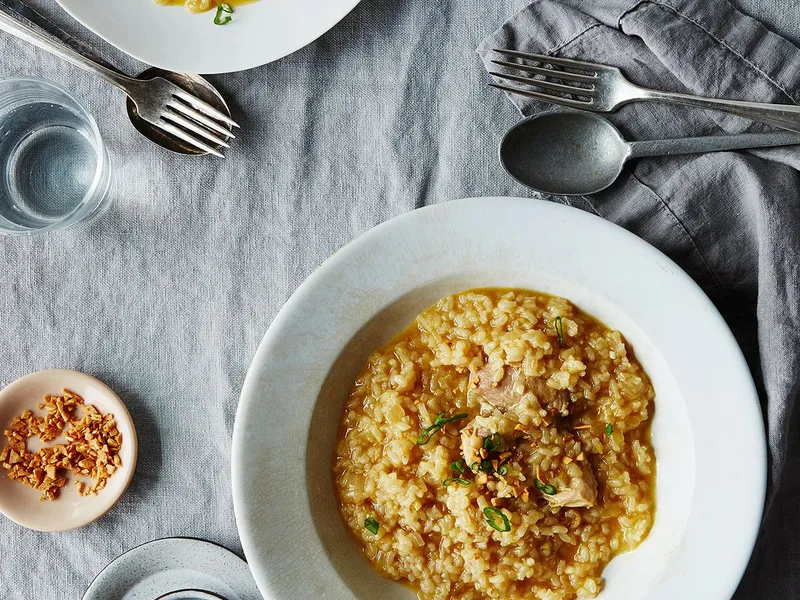
Filipino Chicken Porridge (Arroz Caldo) with Ginger and Garlic
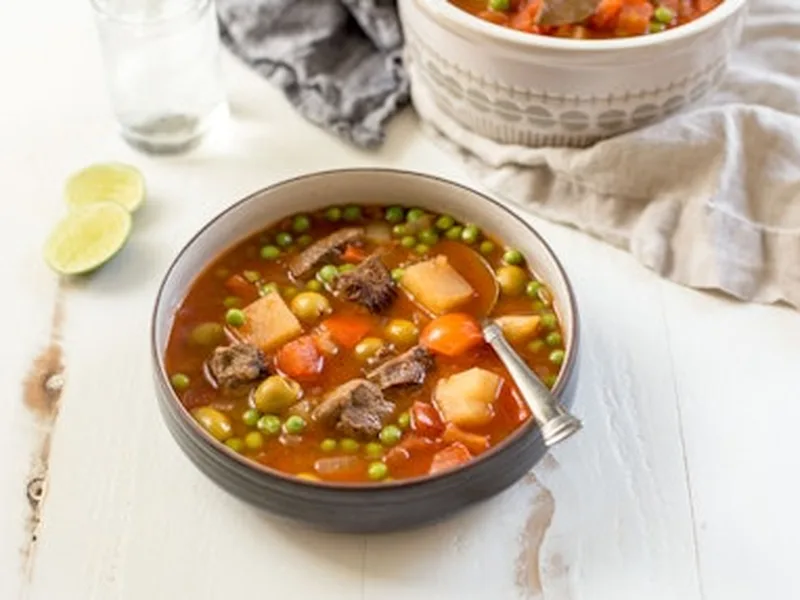
Slow Cooker Filipino Beef Kaldereta with Tender Chuck Roast
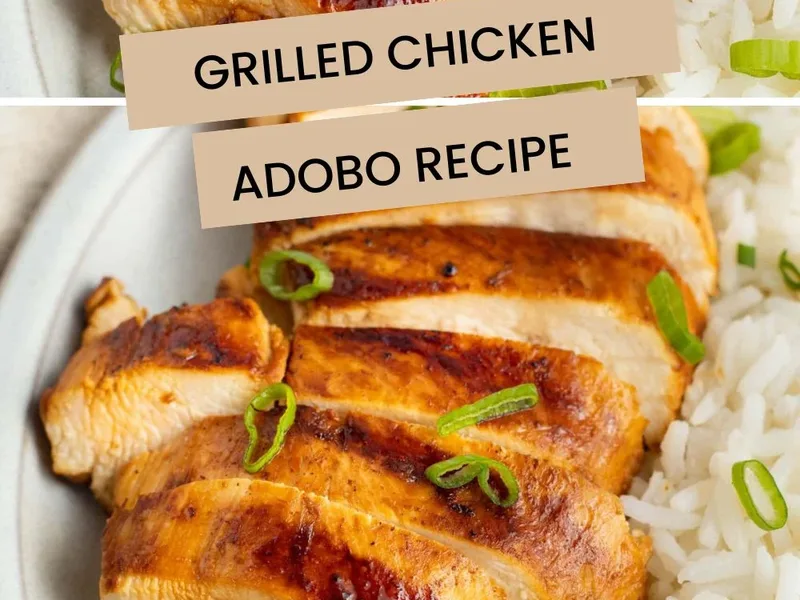
Filipino-Style Grilled Chicken Adobo with Honey Soy Glaze
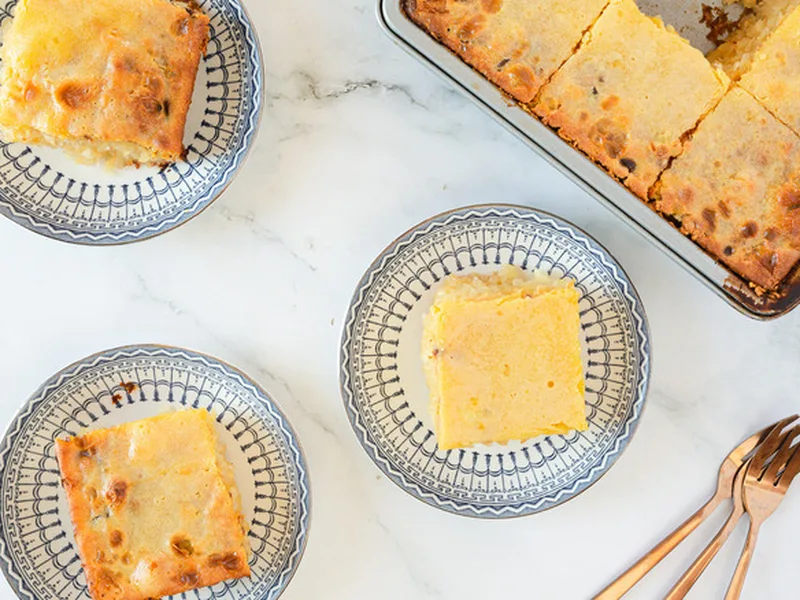
Creamy Cassava Cake with Custard Topping
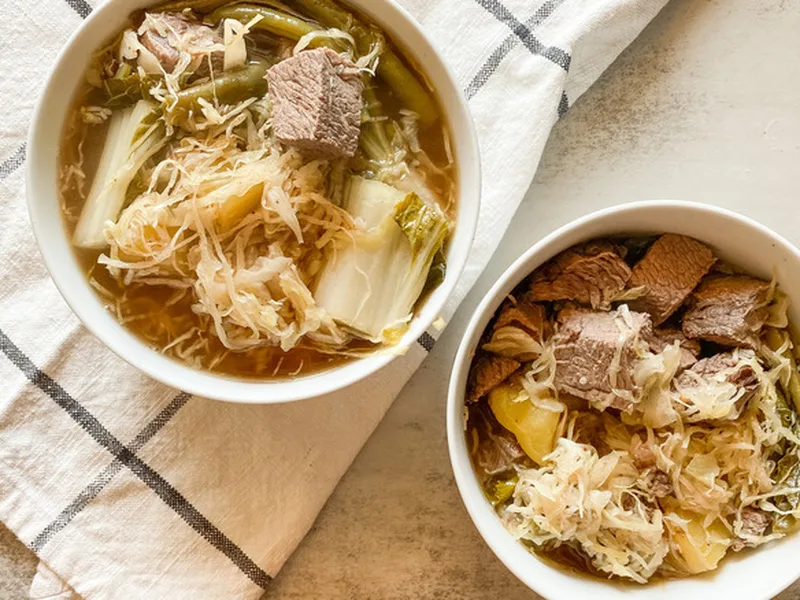
Slow Cooker Beef Sinigang with Tamarind and Vegetables
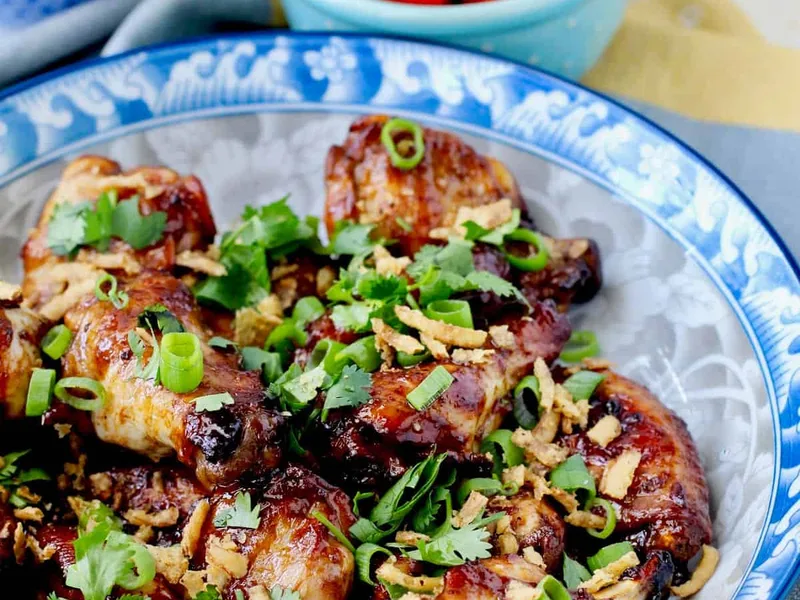
Crispy Adobo Chicken Wings with Fresh Pico de Gallo
Filipino cooking balances sweet, salty, and sour in every pot.
Start with adobo. Brown 2 pounds of chicken in oil, then simmer 45 minutes in equal parts vinegar and soy sauce with 6 smashed garlic cloves. That's it. The vinegar cuts through fat while soy sauce adds depth. Every family tweaks the ratio, but 1:1 works.
Fish sauce appears in most savory dishes. Just 1 tablespoon transforms bland vegetables into something addictive. Patis costs $3 at Asian markets and lasts months.
Filipino food takes time. Most main dishes simmer 60-90 minutes. Kare kare braises oxtail for 3 hours until the meat falls off the bone. Sinigang needs 2 hours for the tamarind to properly sour the broth. Even quick pancit noodles require 30 minutes of prep work chopping vegetables into matchsticks.
Coconut milk shows up everywhere. Desserts get 2 cups per batch. Savory stews use 1 cup to balance acidity. Buy the canned stuff, not cartons. Chaokoh brand works best.
Brown sugar matters more than white. Filipino barbecue marinades need 1/4 cup brown sugar per pound of meat. The molasses helps meat caramelize over charcoal. Regular sugar burns too fast.
Garlic goes in everything. A typical ulam uses 6-8 cloves. Sinangag fried rice needs 10 cloves minimum. Buy pre-peeled garlic in bulk to save time.
Filipino cooking suits patient home cooks who appreciate bold, unapologetic flavors. These recipes feed crowds cheaply. One pot of adobo serves 8 people for under $10. Perfect for large families or meal prep.
Don't expect subtle. Filipino food punches you with vinegar tang, fishy funk, and sticky sweetness. Some find it overwhelming at first. Give your palate 3-4 meals to adjust. Soon you'll crave that sour-savory hit.
Essential Ingredients
Key Techniques
FAQ
Why does Filipino food use so much vinegar?
Pre-refrigeration preservation required vinegar's acidity. Most adobo recipes use 1/2 to 3/4 cup vinegar per 2 pounds meat. The acid also tenderizes tough cuts during 45-60 minute simmers. Palm vinegar tastes best, but white vinegar costs 75% less and works fine.
What can I substitute for hard-to-find Filipino ingredients?
Key lime juice replaces calamansi at a 1:1 ratio. Thai fish sauce substitutes for patis. Regular ketchup plus 2 tablespoons brown sugar per 1/2 cup mimics banana ketchup. Chinese rice wine works instead of Filipino vinegar in marinades. Skip substituting bagoong shrimp paste entirely rather than using anchovy paste.
How do I reduce the greasiness in Filipino dishes?
Refrigerate stews overnight and remove the solidified fat layer. Use skinless chicken instead of pork for adobo. Drain fried items on paper towels for 5 minutes. Most traditional recipes use 1/4 cup oil per pound of meat. Cut this to 2 tablespoons without sacrificing flavor. Adding 1 tablespoon vinegar per cup of coconut milk also cuts richness.
Which dishes work best for Filipino food beginners?
Start with chicken adobo using a 1:1:0.5 ratio of soy sauce, vinegar, and water. Try lumpia shanghai spring rolls with ground pork filling. Make pancit bihon noodles with just 5 ingredients. These three dishes take under 45 minutes and use ingredients found at regular supermarkets. Save kare kare and dinuguan for after you've acquired a taste for bagoong and stronger flavors.