French Recipes
250 recipes
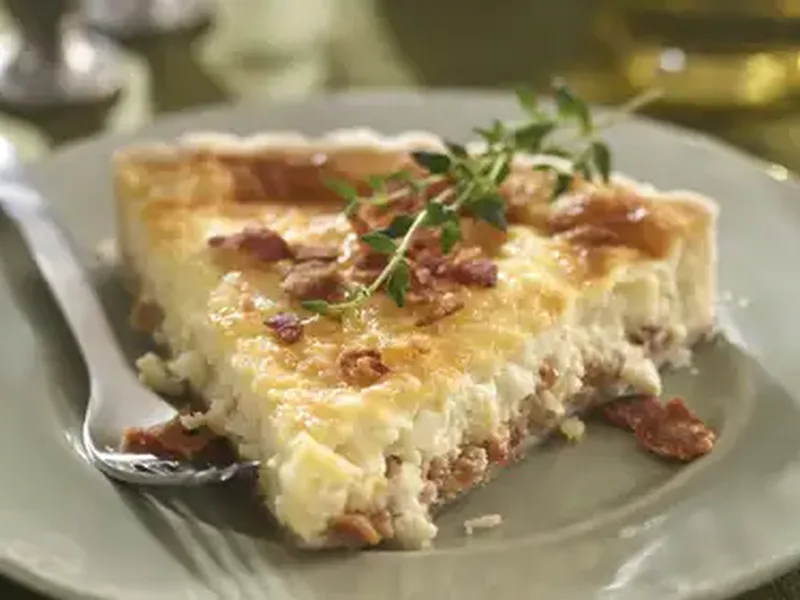
Classic Bacon and Swiss Quiche with Homemade Pastry Crust
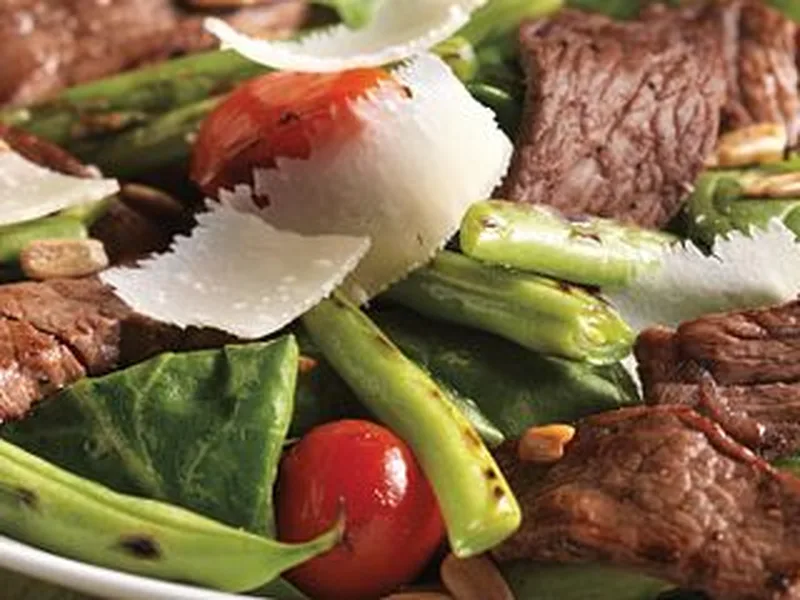
Pan-Seared Top Sirloin with Green Bean Tomato Salad
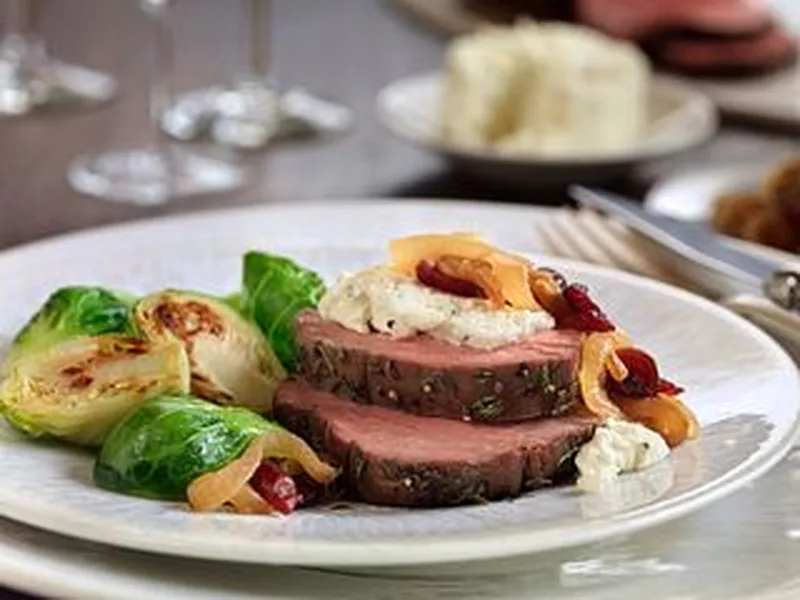
Herb-Crusted Beef Tenderloin with Wine-Braised Onions
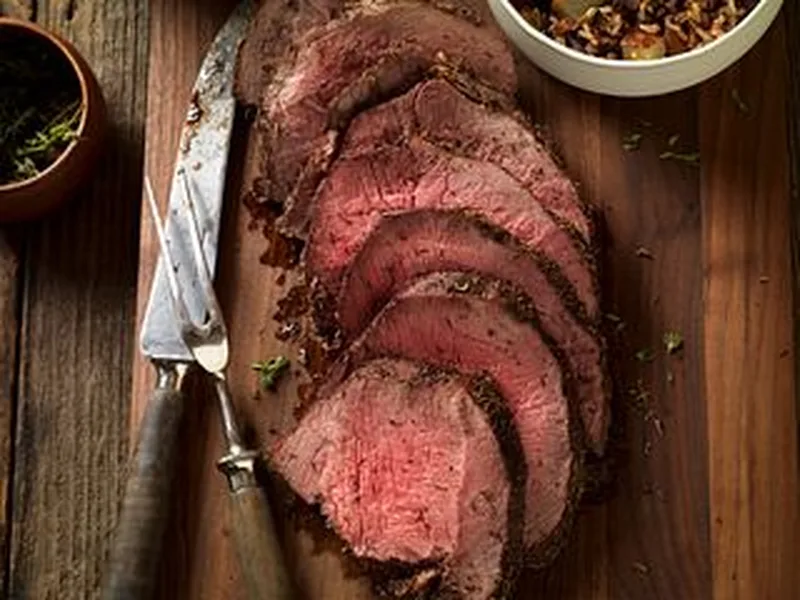
Thyme-Rubbed Sirloin Tip Roast with Pear Wild Rice
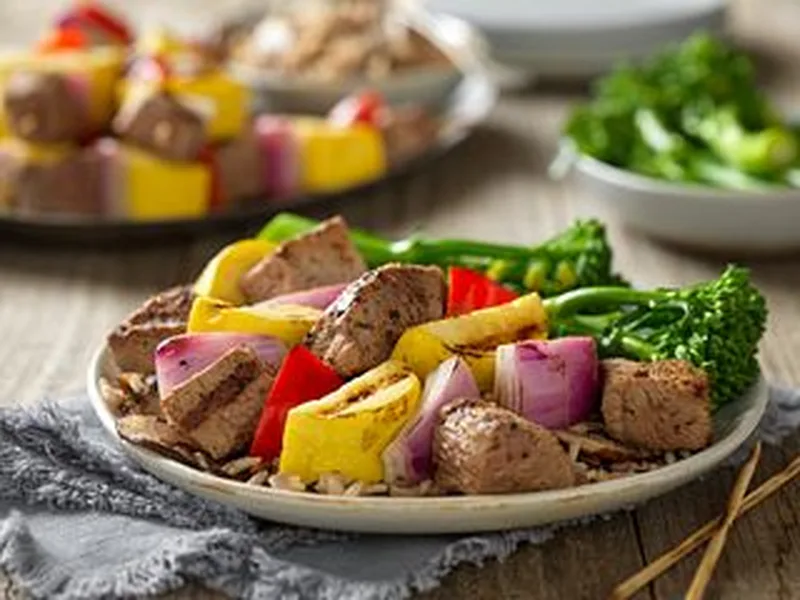
Grilled Dijon Steak Kabobs with Mushroom Wild Rice
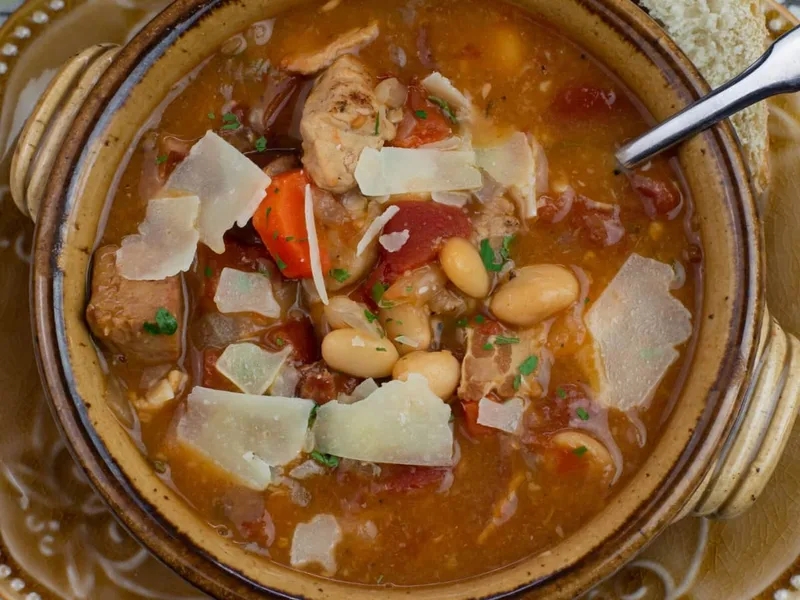
Slow Cooker Cassoulet with Pork and White Beans
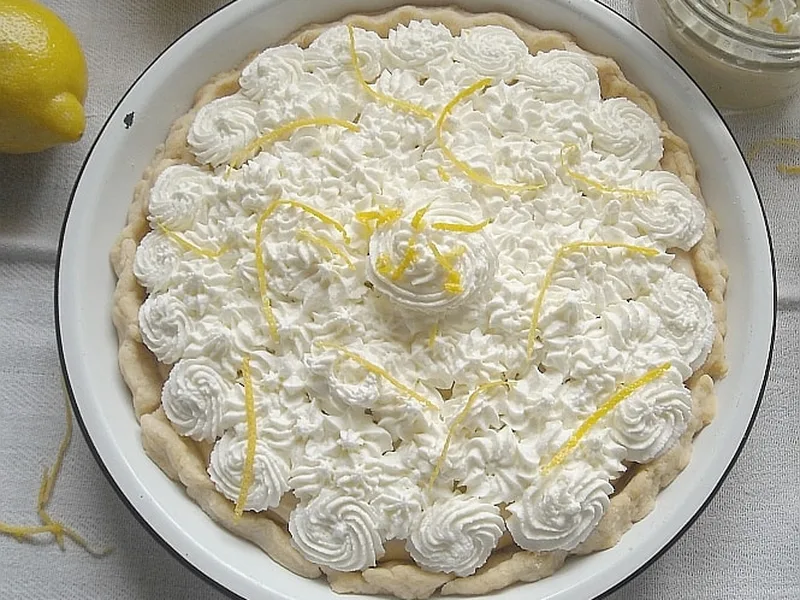
Creamy Lemon Creme Fraiche Pie with Almond Whipped Cream
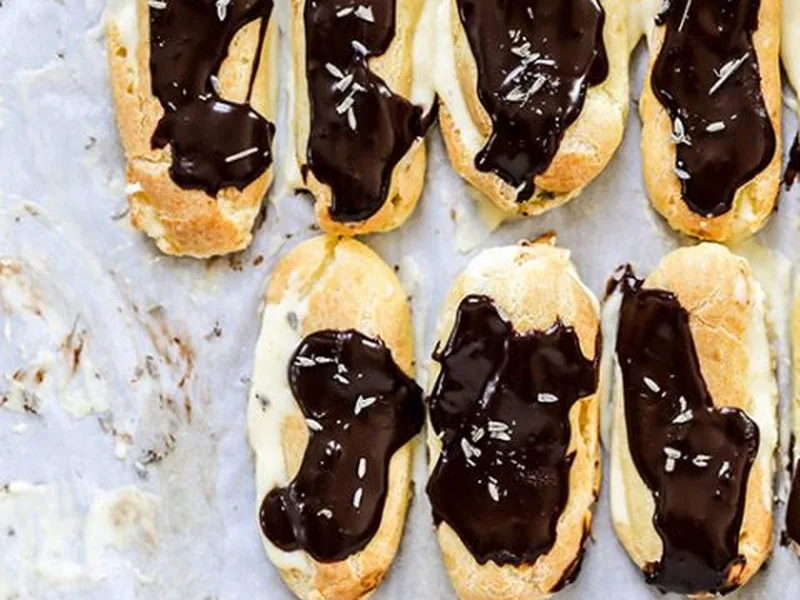
Lavender-Filled Eclairs with Chocolate Glaze
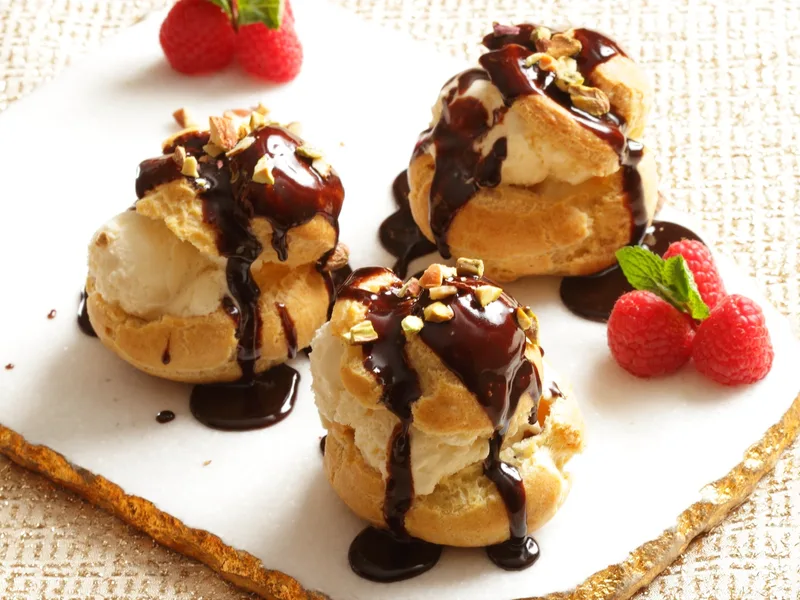
Classic Choux Profiteroles with Dark Chocolate Rum Sauce
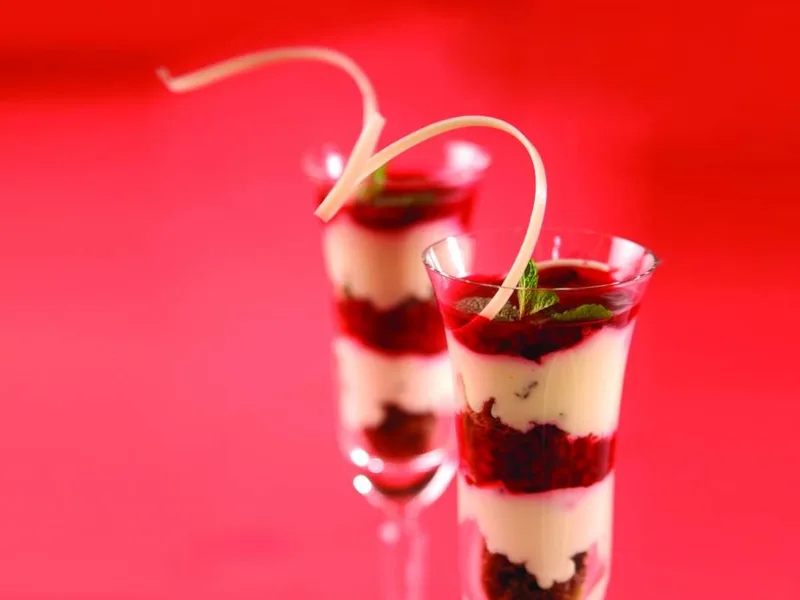
Praline Berry Mousse Cups with Chocolate Wafer Crumbs
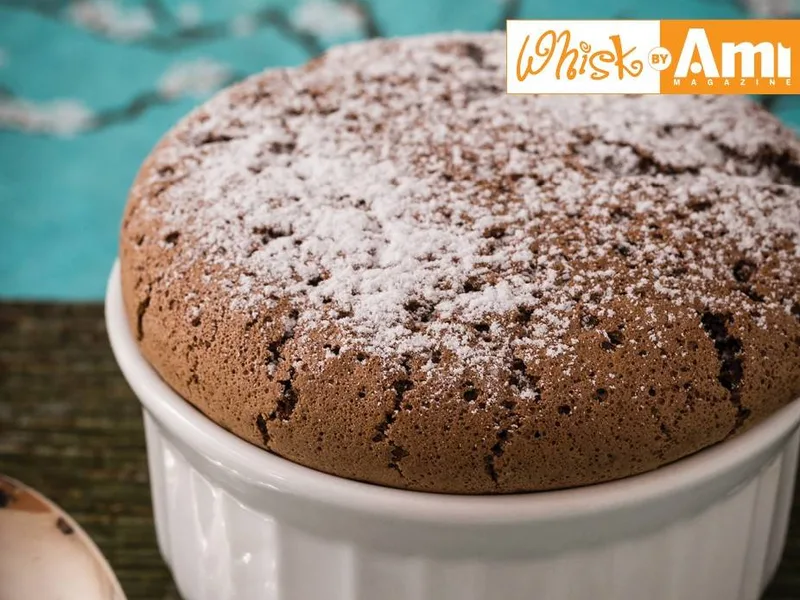
Gluten Free Mocha Chocolate Souffles with Cinnamon Sugar
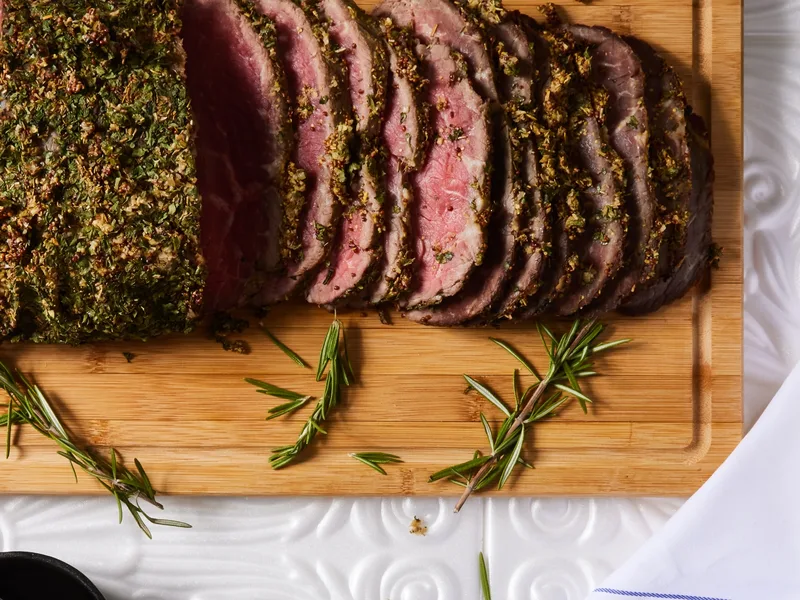
Herb-Crusted Chateaubriand with Garlic and Rosemary
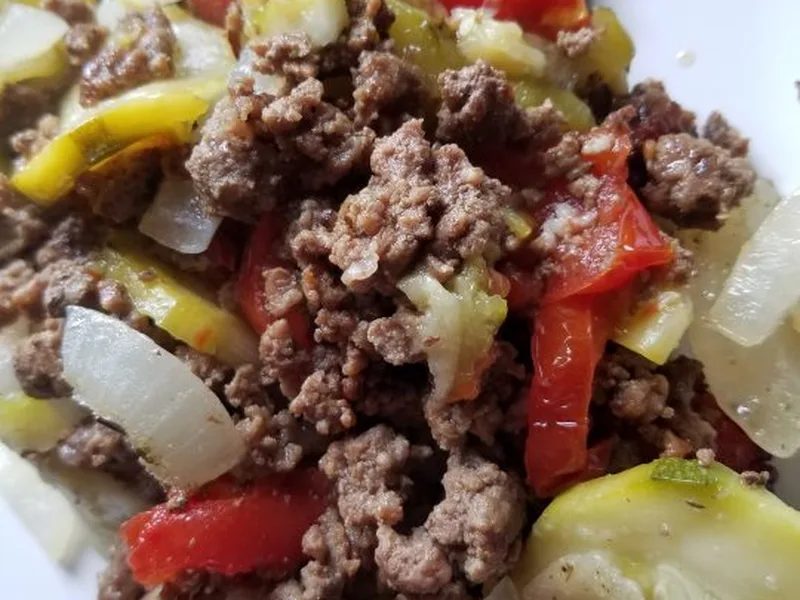
Layered Vegetable and Beef Tian with Garlic Herb
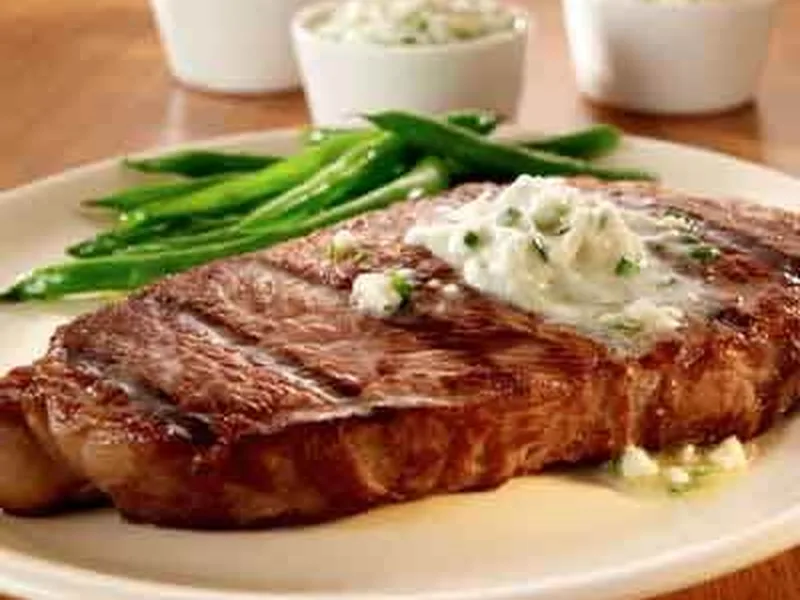
Three Savory Butters for Steak
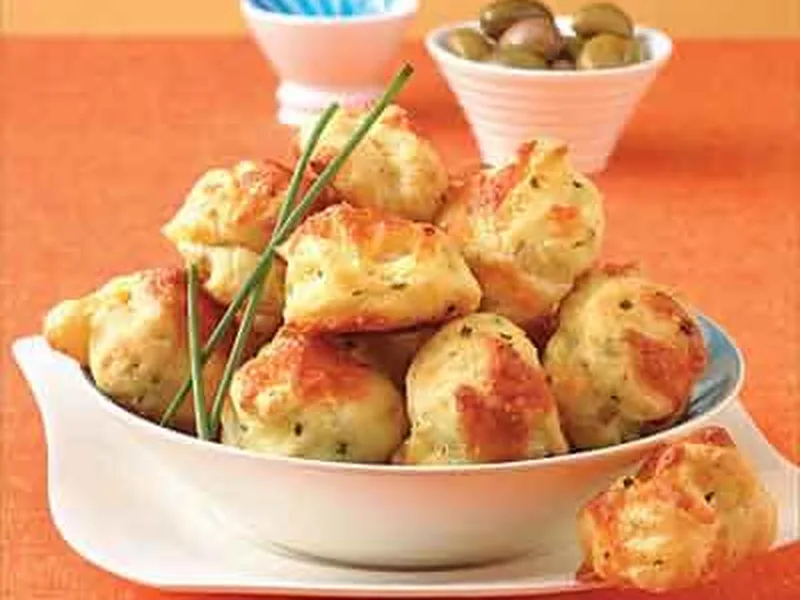
Pepper Jack Cheese and Chive Gougères with Italian Seasoning
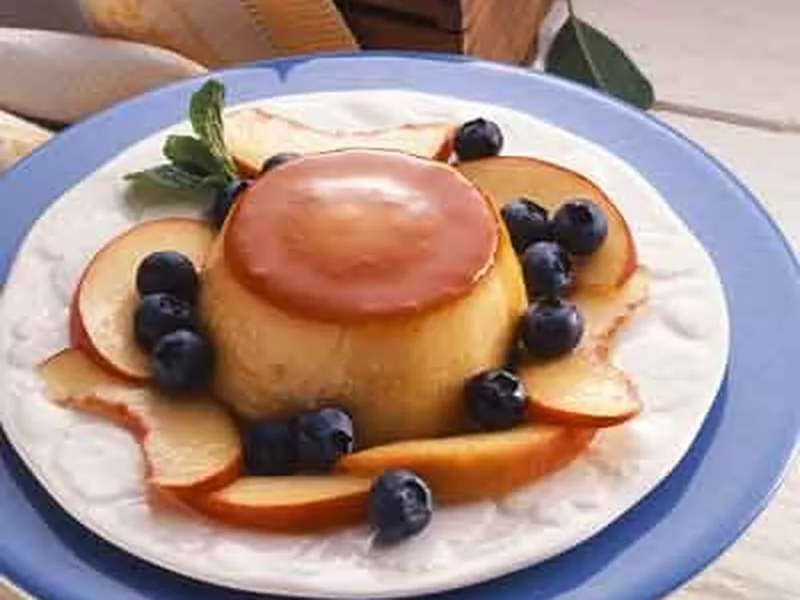
Orange Blueberry Flan with Caramel and Fresh Peaches
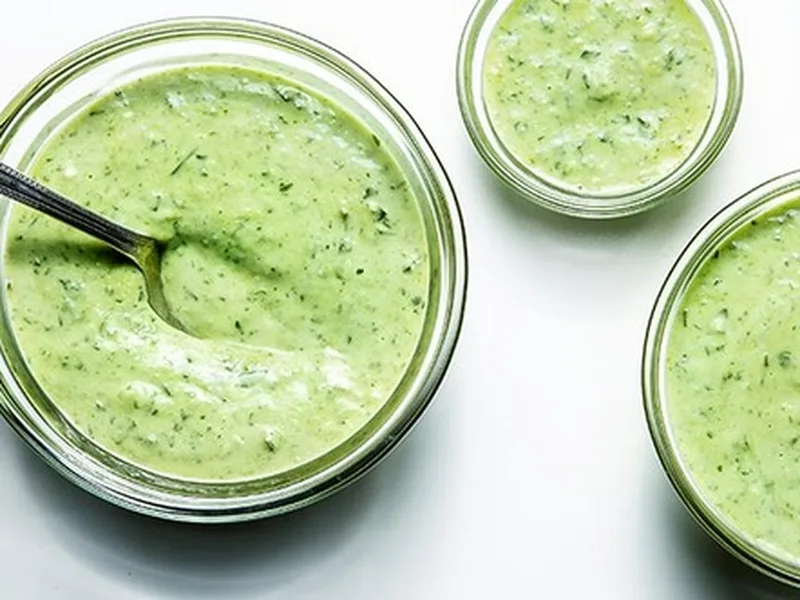
Herb-Infused Green Goddess Dressing with Avocado
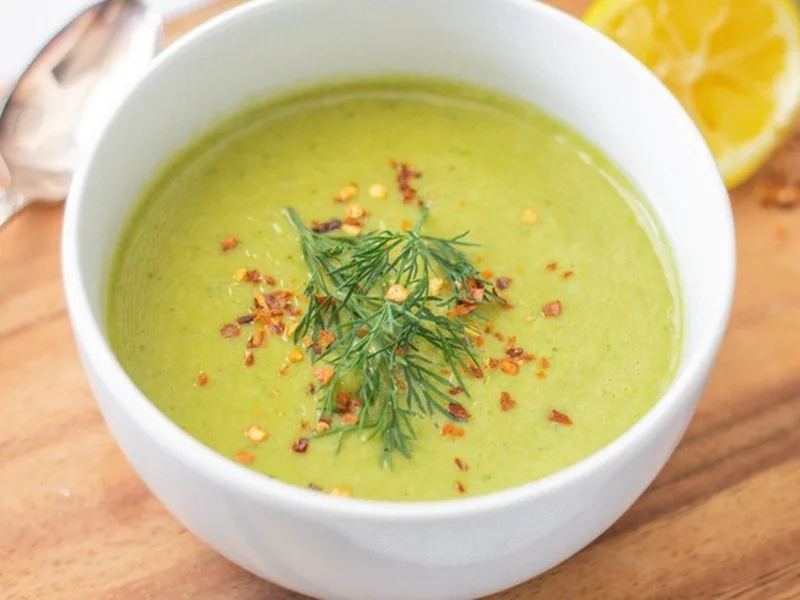
Easy Cream of Asparagus Soup with Lemon
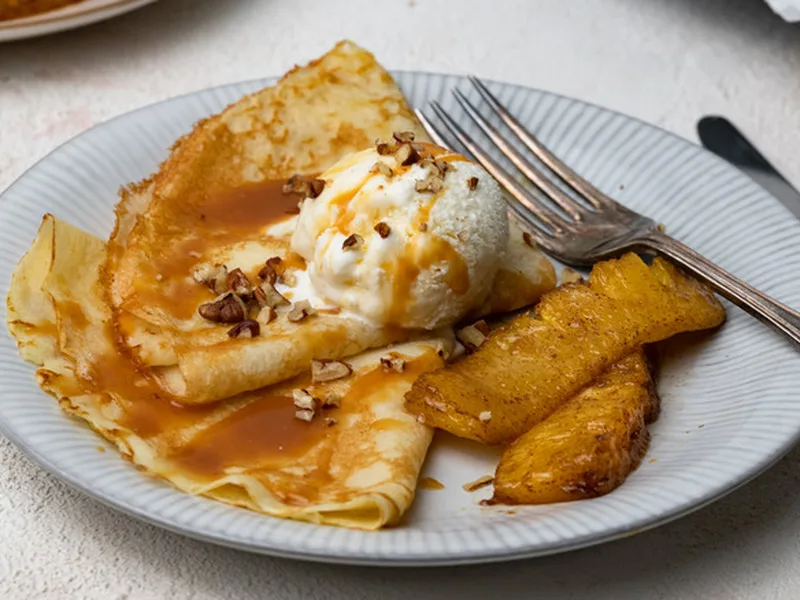
Caramelized Pineapple Dulce de Leche Crepes
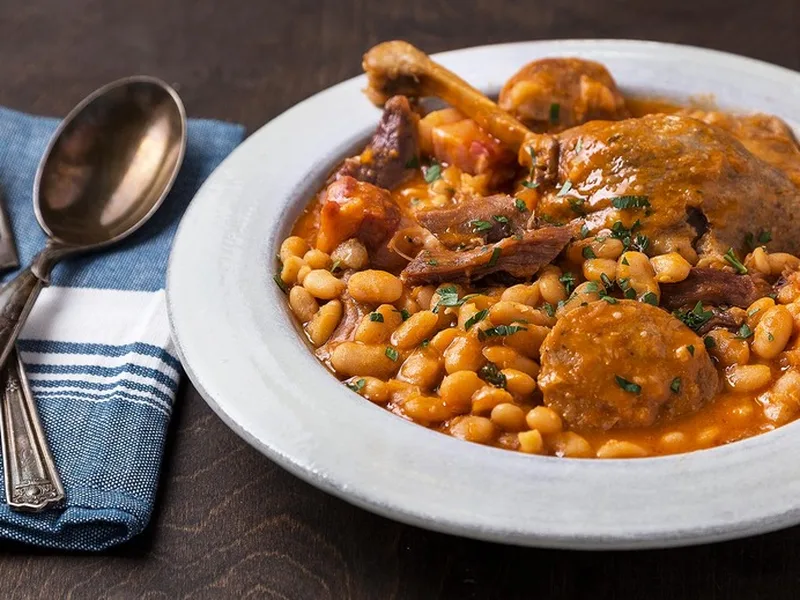
Quick Instant Pot Cassoulet with Duck Confit and White Beans
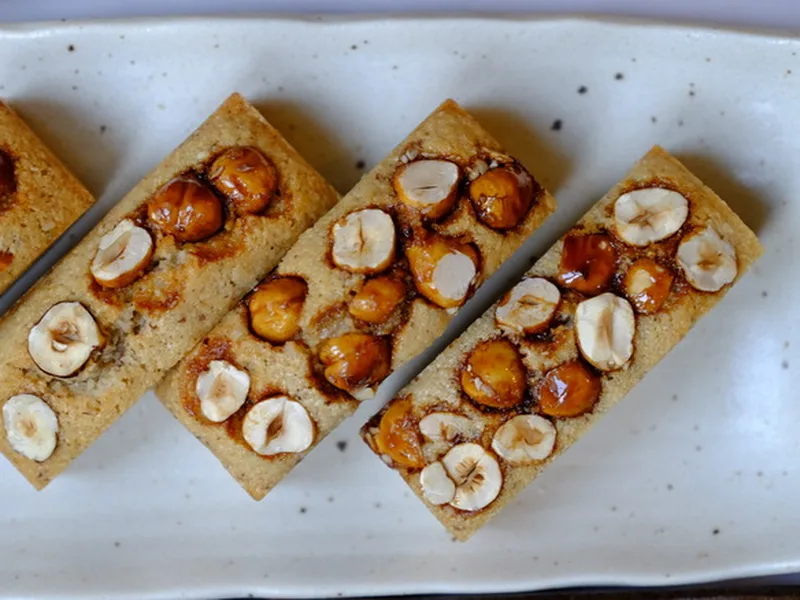
Classic French Hazelnut Financiers with Browned Butter
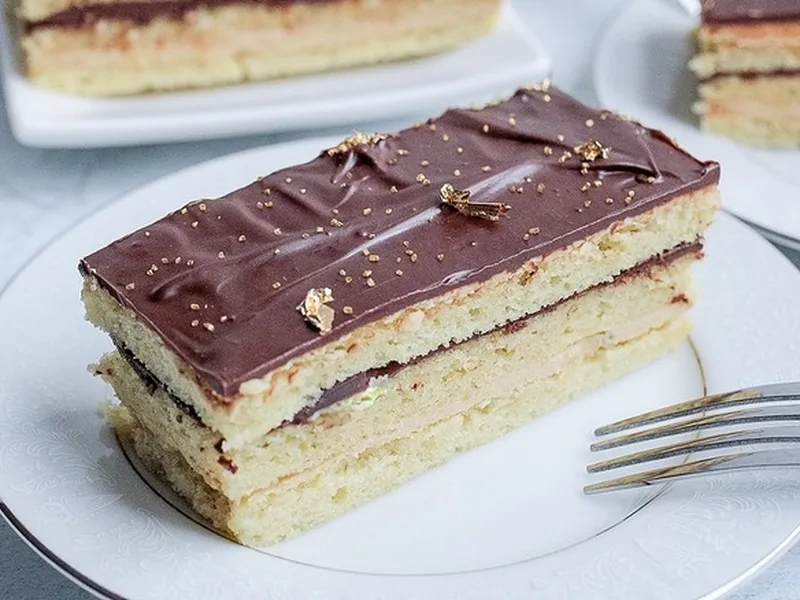
Classic Opera Cake with Espresso Buttercream
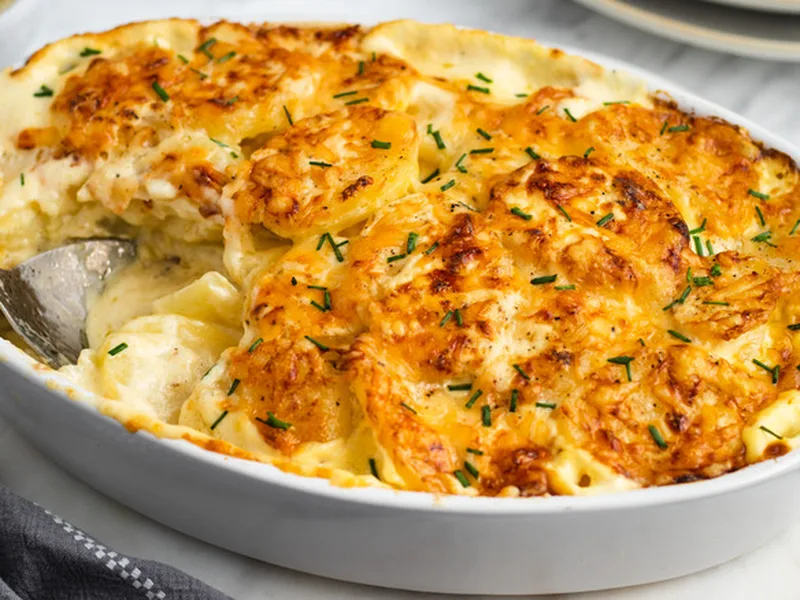
Creamy Gruyere Potato Gratin Baked Until Golden
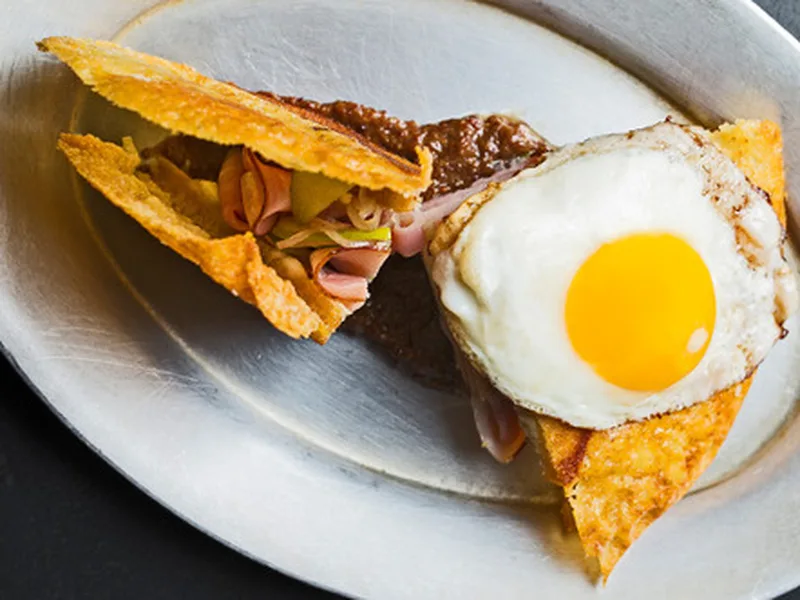
Dale Levitski's Crispy Cheese Croque-Madame with Apple
French cooking starts with butter. Lots of it.
Where Italian food builds on olive oil and American comfort food relies on bacon fat, French cuisine uses butter as its foundation. Not just any butter. French recipes often call for 82% butterfat European-style butter, which contains less water than the 80% American standard.
The difference matters. Higher fat content means better browning, flakier croissants, silkier sauces.
French food follows strict rules. Béchamel needs exactly 2 tablespoons each of butter and flour per cup of milk. Hollandaise requires 3 egg yolks per stick of butter. Pâte brisée wants a 2:1 flour-to-butter ratio by weight. These ratios aren't suggestions.
They're laws.
Beyond butter, French cooking relies on careful technique. You brown meat in batches to avoid crowding. You deglaze pans with wine at 165F to preserve alcohol's flavor compounds. You fold egg whites in thirds, never all at once. You cook onions for French onion soup for 45 minutes minimum, stirring every 5 minutes until they're mahogany brown.
The desserts demand precision too. Crème brûlée custard bakes at 325F in a water bath until it jiggles like jello when tapped. Soufflés need egg whites whipped to exactly soft peaks, folded within 2 minutes of whipping. Croissants require 81 layers of dough and butter, achieved through 3 sets of folds with 30-minute rests between.
French food suits patient cooks. People who measure ingredients by weight, not volume. Home cooks who own instant-read thermometers and use them. Anyone willing to dirty 3 pans for one sauce.
The payoff? Coq au vin that falls off the bone after 90 minutes of braising. Beef bourguignon with sauce thick enough to coat the back of a spoon. Tarte Tatin where caramel soaks exactly 3mm into tender apples.
French cuisine teaches you to cook by temperature, time, and texture rather than guesswork. Once you master French techniques, every other cuisine becomes easier.
Essential Ingredients
Key Techniques
FAQ
Why does my hollandaise keep breaking?
Temperature control prevents breaking. Keep the bowl at 140-160F using a thermometer. Add butter slowly, 1 tablespoon every 20 seconds. If it breaks anyway, whisk a tablespoon of hot water into a fresh egg yolk, then slowly whisk the broken sauce back in. The lecithin in the new yolk re-emulsifies everything. Never let hollandaise exceed 165F or the eggs cook and separate permanently.
What's the difference between French and American baking?
French baking uses weight measurements, not cups. A cup of flour weighs 120-140 grams depending on how you scoop it. French recipes specify exact weights for consistency. French pastries also use more egg yolks (up to 10 per recipe), higher-fat butter (82% vs 80%), and specific flour types. French T55 flour has 11% protein compared to 10-13% in American all-purpose.
Do I really need special equipment for French cooking?
Three tools make the biggest difference: a digital scale for weighing ingredients to the gram, an instant-read thermometer for hitting exact temperatures, and a fine-mesh sieve for smooth sauces. A mandoline helps too since French recipes often call for vegetables sliced to exact thickness like 2mm for potato gratin. You can improvise without these, but results vary more.
How much wine should I cook with?
Use 1/2 to 1 cup wine per pound of meat for braising. For deglazing, use 1/4 cup per pan. Wine reduces by 75% during cooking, concentrating flavors. Always use wine you'd drink since off-flavors intensify when reduced. Add wine when pan temperature drops below 172F so alcohol doesn't instantly evaporate. Simmer 2-3 minutes to cook off harsh alcohol taste before adding other liquids.