German Recipes
51 recipes
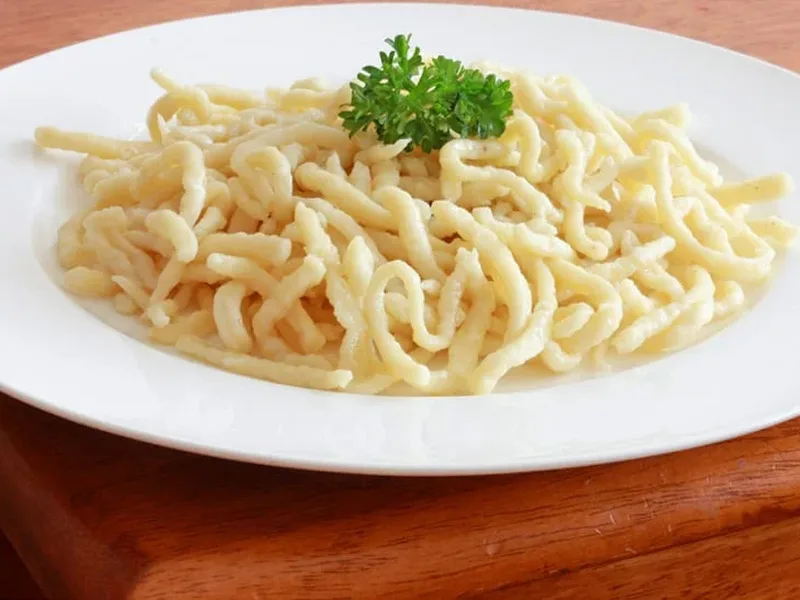
Homemade German Spätzle with Stand Mixer Method
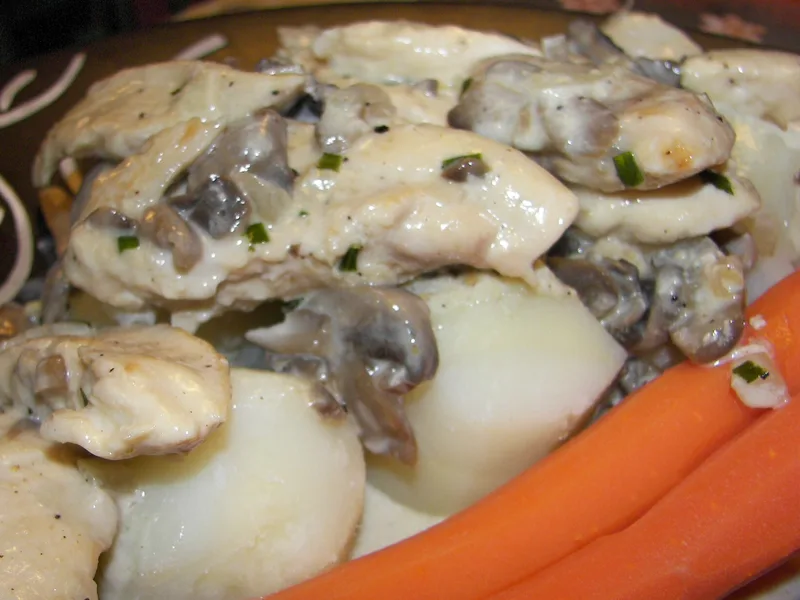
Geschnetzeltes Swiss Chicken in Cream and White Wine Sauce
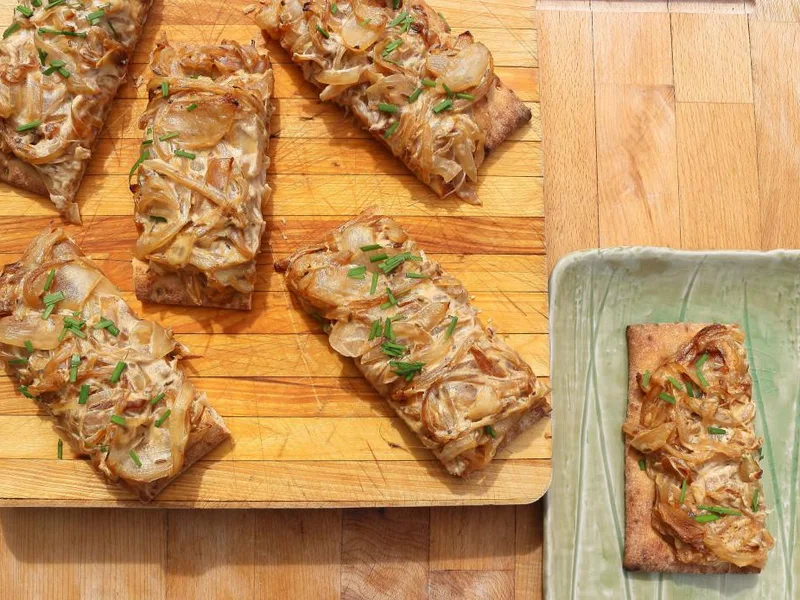
Swabian Onion Tart with Caraway and Creme Fraiche
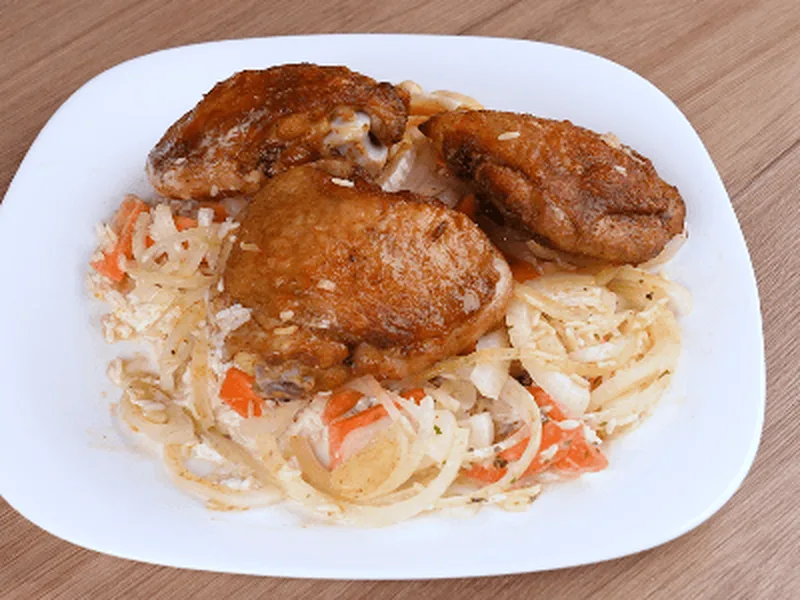
Stuffed Cabbage with Rice, Chicken and Mushrooms
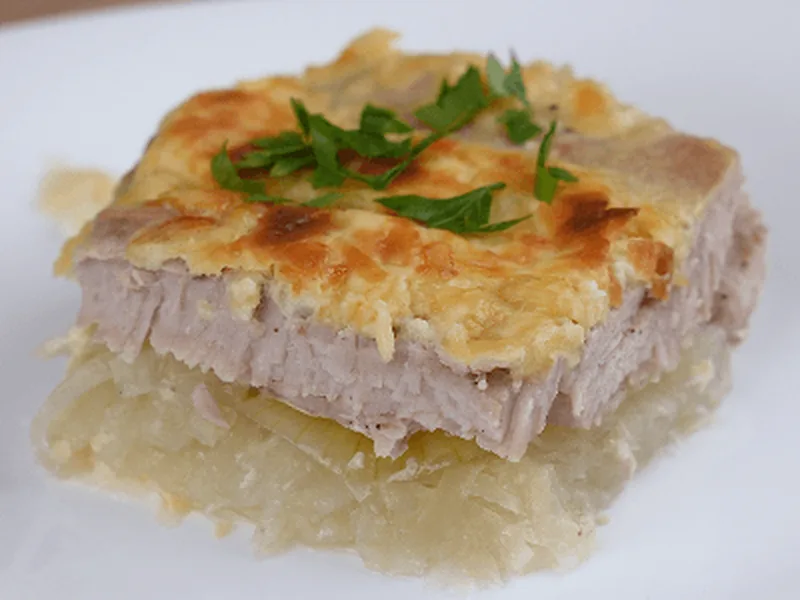
Baked Pork Loin with Potato Crust and Yogurt Cheese Topping
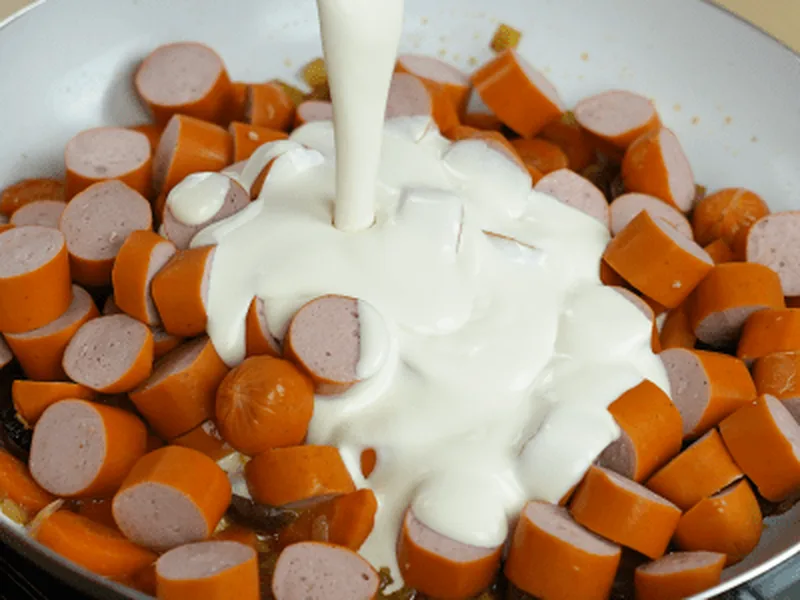
Creamy Sausage and Rice Bake with Mozzarella
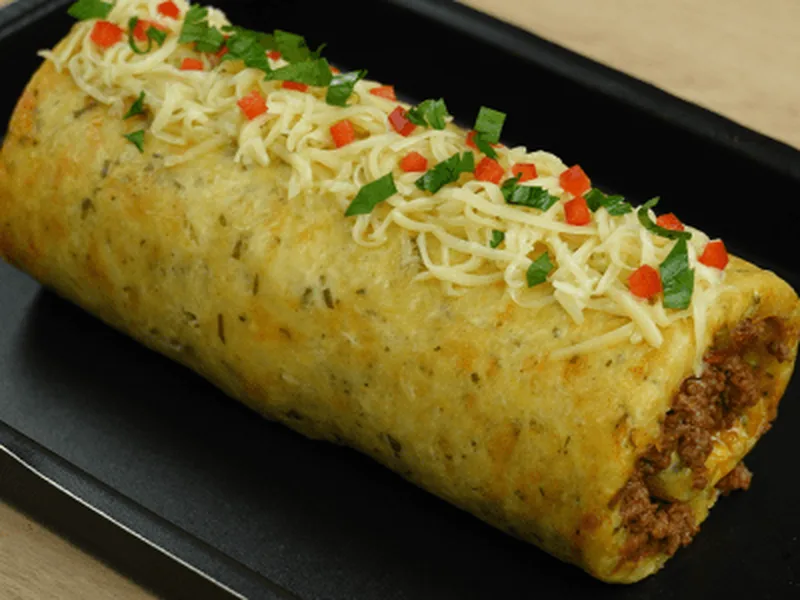
Cheesy Potato and Beef Roulade Baked Roll
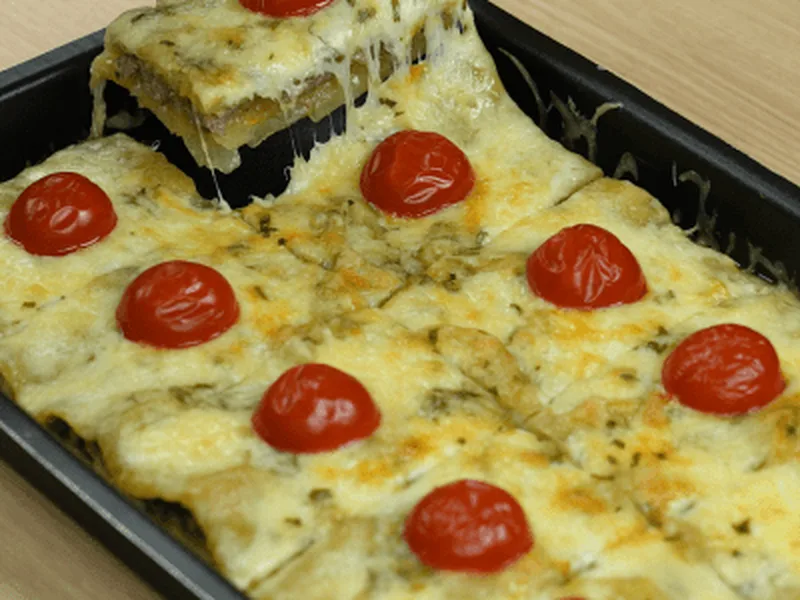
Baked Potato and Ground Beef Casserole
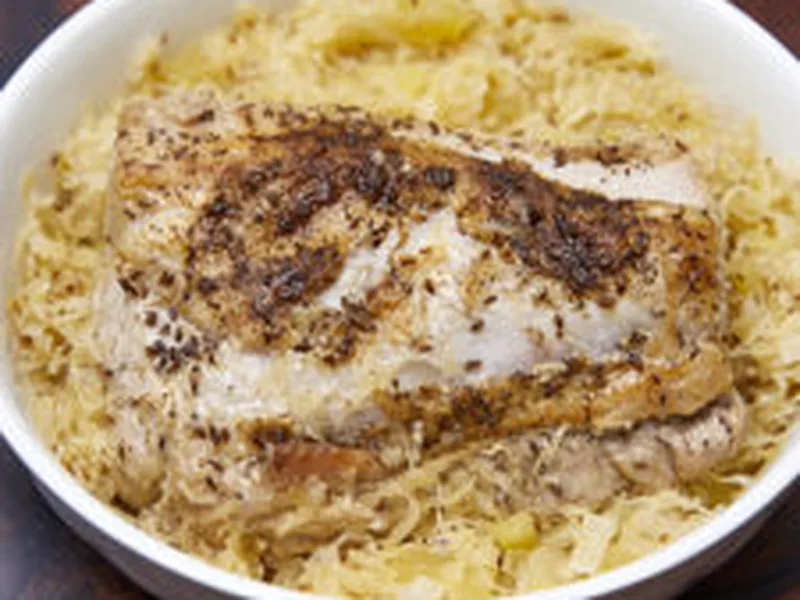
Pork Loin Roast with Caraway Sauerkraut and Apple
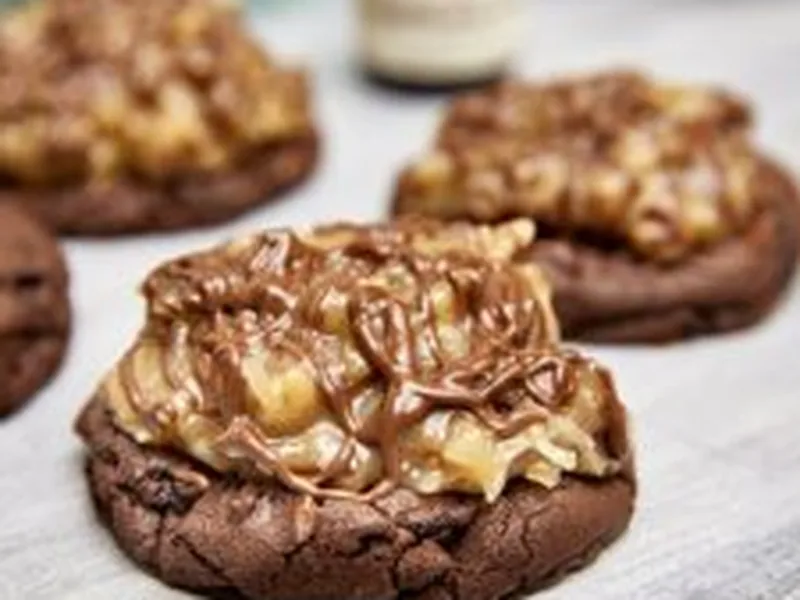
German Chocolate Cookies with Pecan Frosting
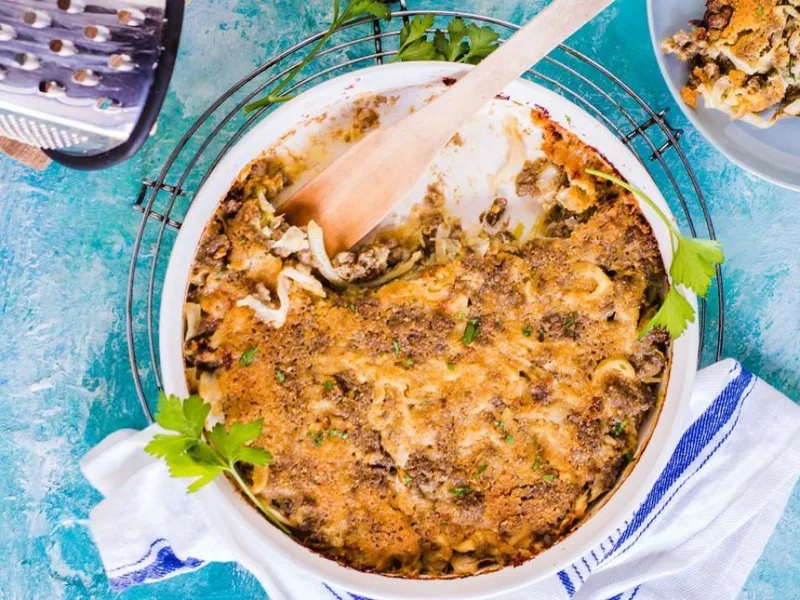
German Cabbage Casserole with Ground Beef and Tomato Sauce
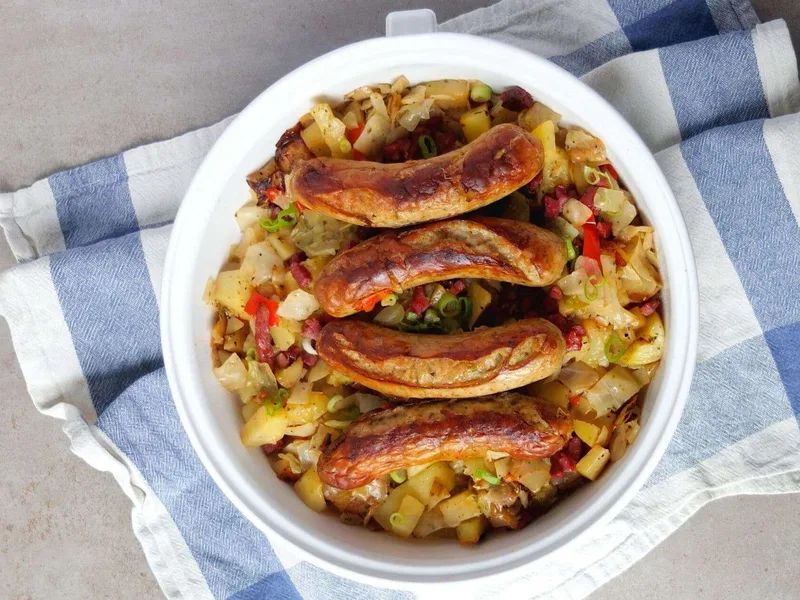
Baked German Sausage and Sauerkraut Casserole with Potatoes
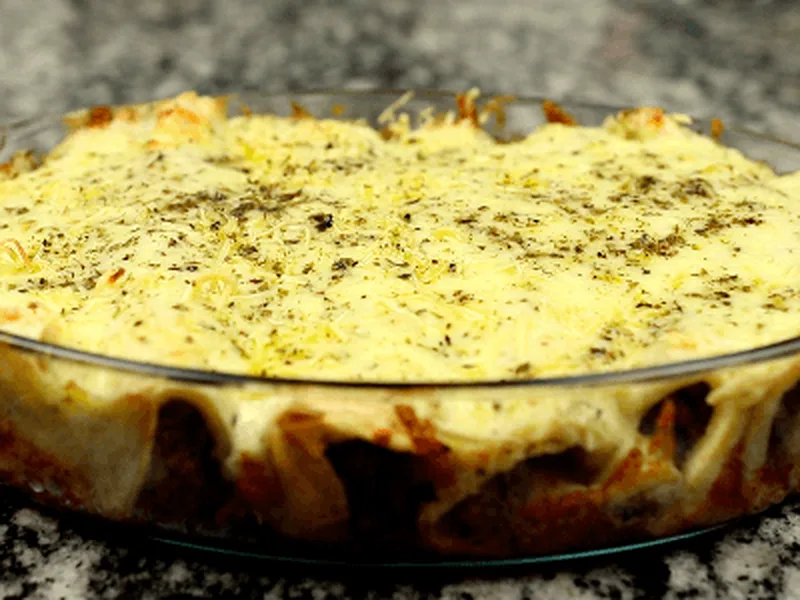
Savory Beef Crepes with Béchamel and Cheese
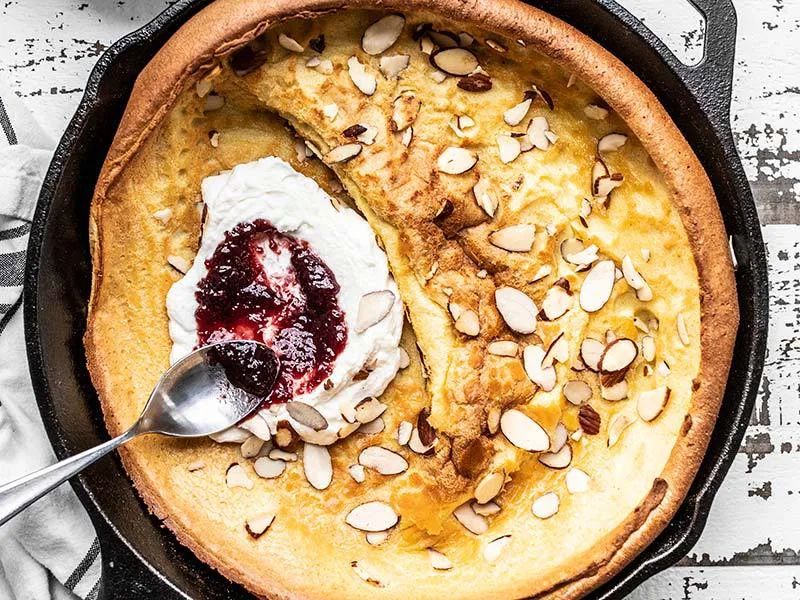
Almond Dutch Baby Pancake with Sweet Ricotta and Jam
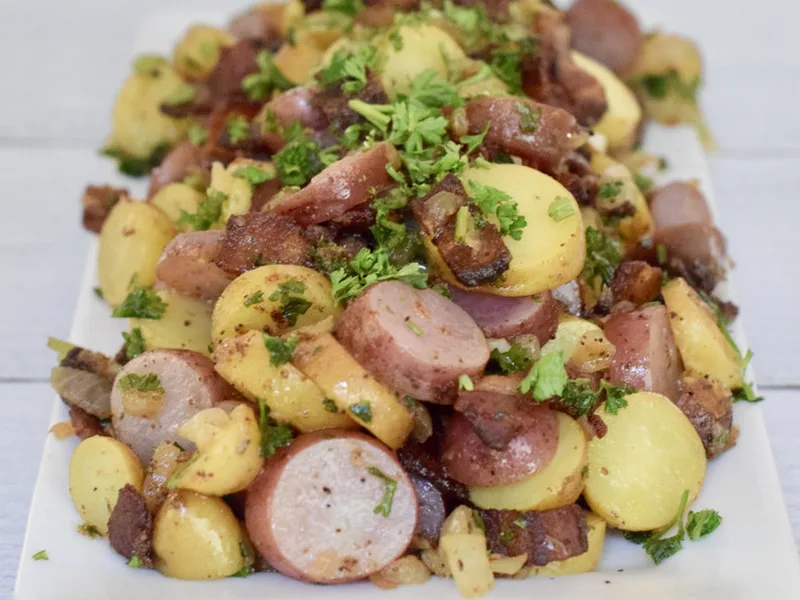
Warm German Potato Salad with Bacon and Apple Cider Vinegar
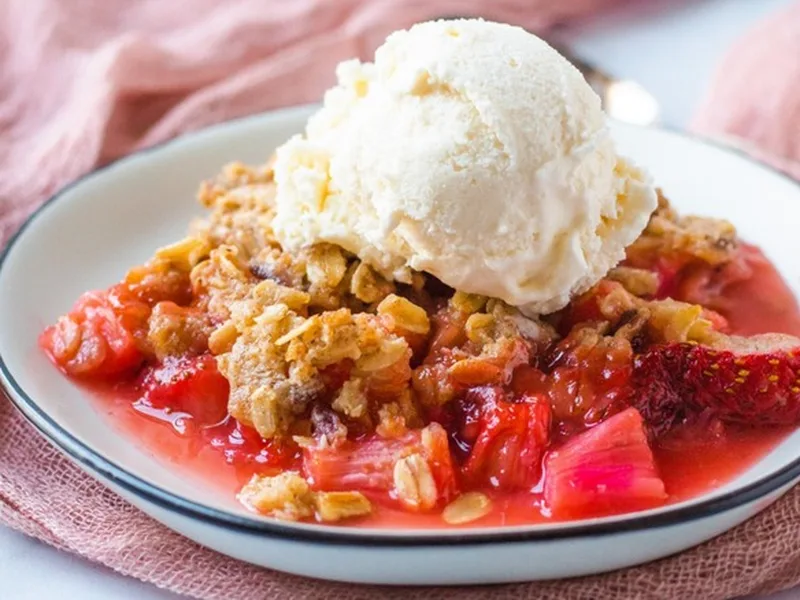
Easy Strawberry Rhubarb Crisp with Oat Pecan Topping
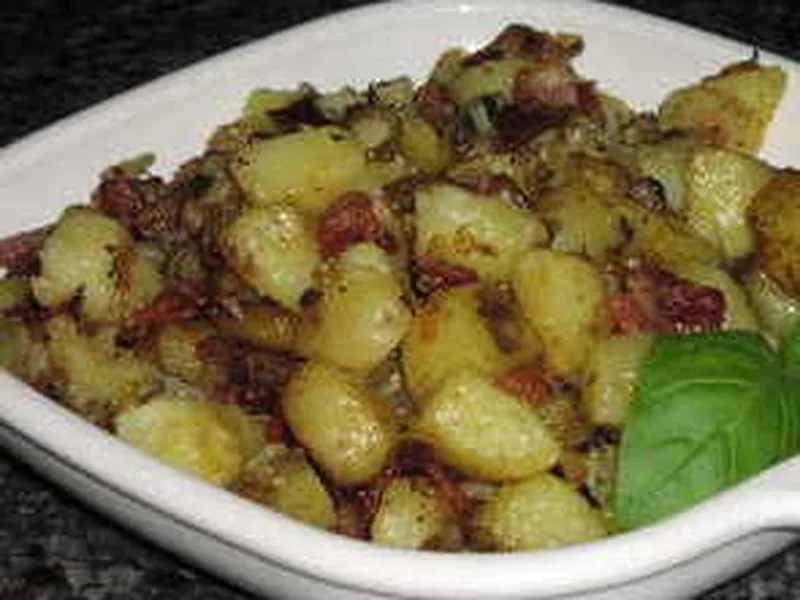
German Bratkartoffeln: Crispy Bacon Fried Potatoes
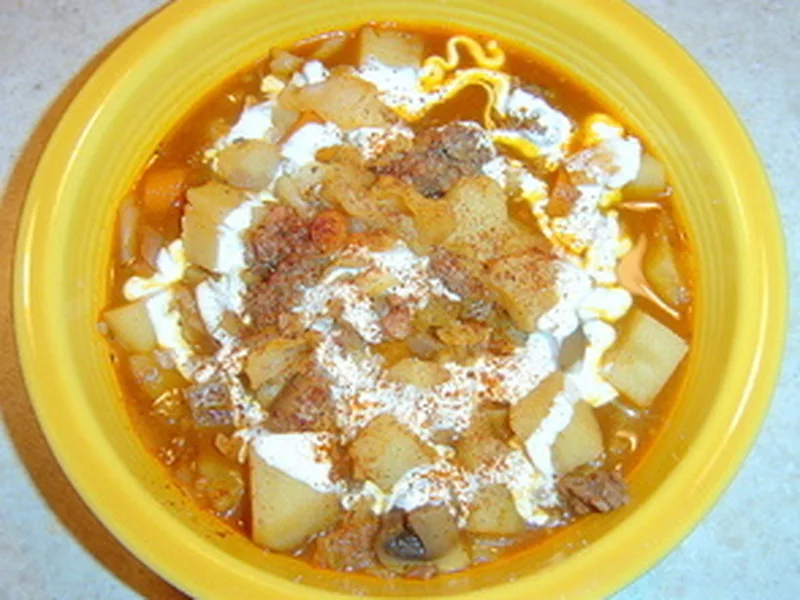
Hungarian Cabbage Soup with Sausage and Paprika
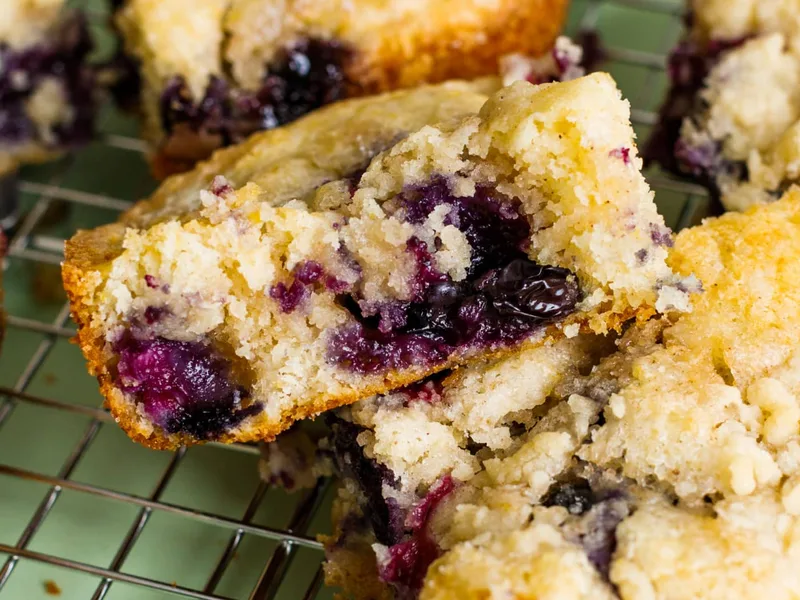
Lemon Almond Blueberry Kuchen with Crumb Topping
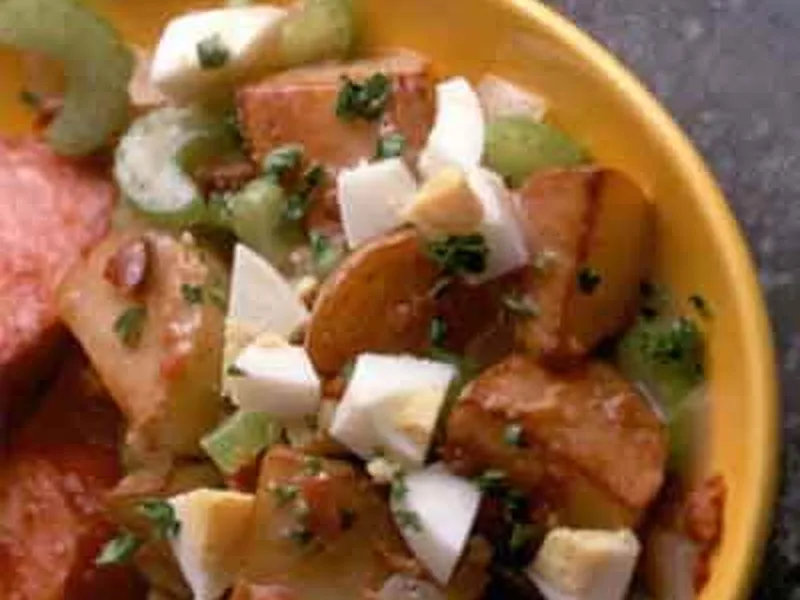
Hot German Potato Salad with Bacon and Egg
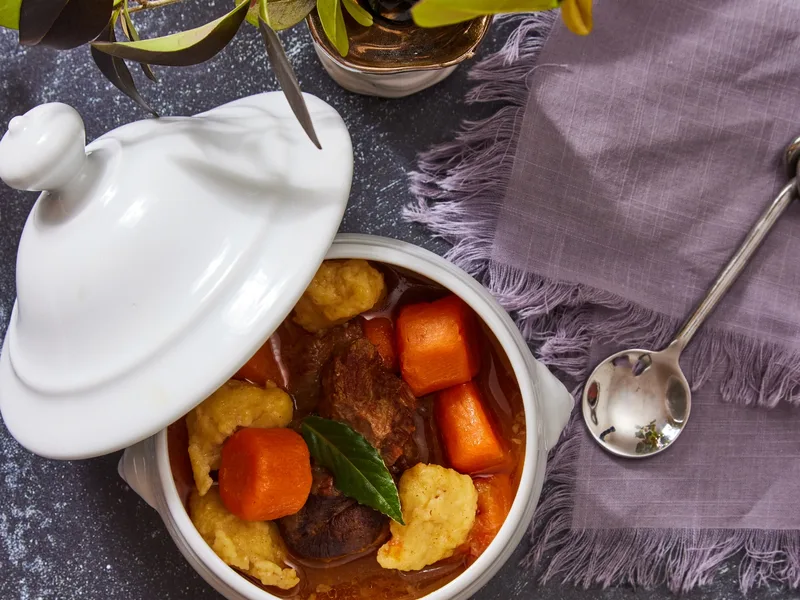
Hungarian Goulash with Sourdough Nokerlach Dumplings
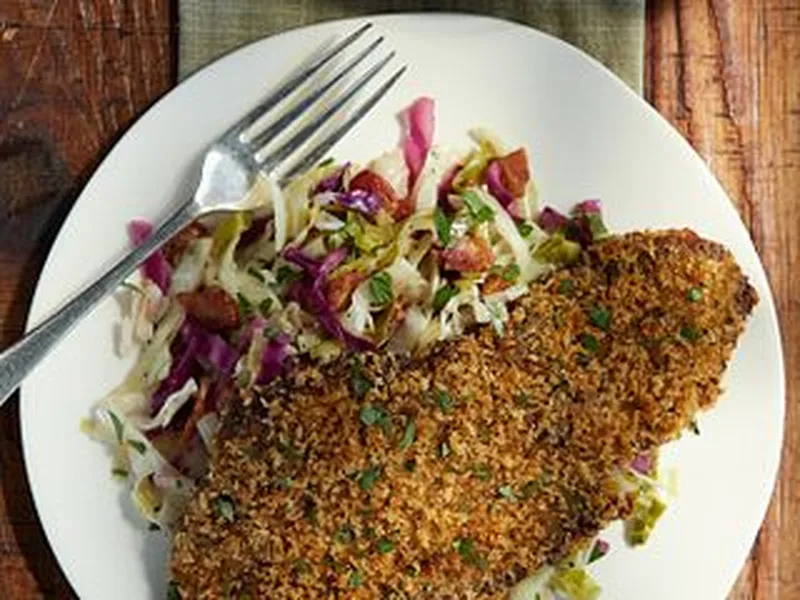
Oven-Baked Bavarian Beef Schnitzel with Warm Tangy Slaw

Linzer Star Christmas Cookies with Almond and Red Currant
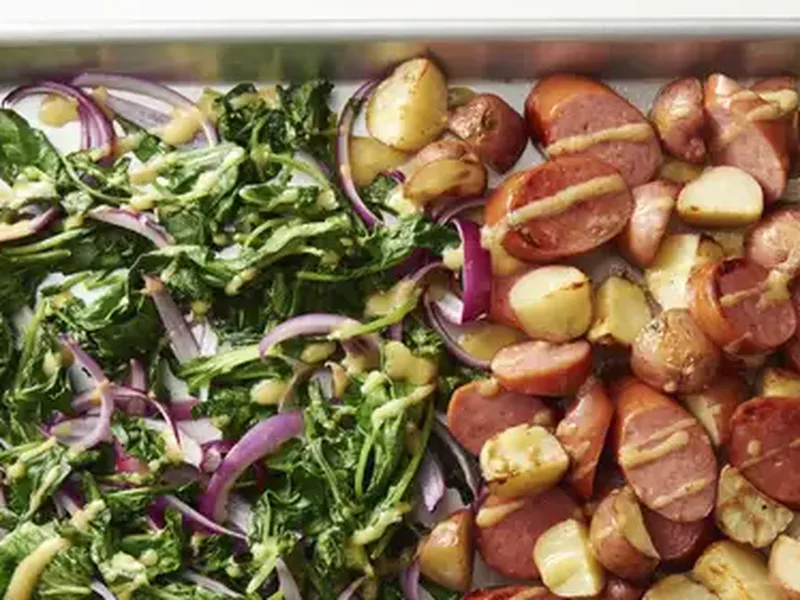
Sheet-Pan Kielbasa and Vegetables with Dijon Dressing
German cooking runs on butter, pork, and potatoes. Think hearty.
Most German meals start with onions sweating in butter. Not olive oil. Always butter. The base for everything from sauerbraten to spätzle begins with 2-3 tablespoons of butter melting in a heavy pot. Germans brown their meat properly. Sear pork chops at 425F until the edges crisp. Braise beef chunks for 2-3 hours at 325F. Nothing gets rushed.
Pork dominates the protein game. Bratwurst, schnitzel, kassler, leberwurst. Each region has its own sausage recipe, but they all share one thing: a 70/30 meat-to-fat ratio. Fat equals flavor here. Schnitzels get pounded to 1/4-inch thickness, then fried in clarified butter at 350F for 2-3 minutes per side.
Bread matters as much as meat. Germans bake over 300 types, from dense rye loaves to pretzel rolls. Most home bakers start with butter stuten, a yeasted white bread enriched with 1/2 cup butter per loaf. The dough rises twice, first for 90 minutes, then shaped and proofed another hour.
German desserts lean sweet and heavy. Black Forest cake layers chocolate sponge with cherries and whipped cream. Stollen packs dried fruit and marzipan into buttery dough. Even simple butter cookies contain 1 cup butter per 2 cups flour. Sugar shows up everywhere. The average German cake recipe calls for 1-2 cups.
Regional cooking varies wildly. Bavaria loves dumplings and cream sauces. Hamburg specializes in fish. The Rhineland does wine-braised meats. But certain dishes appear everywhere: schnitzel, sauerkraut, potato salad dressed with vinegar instead of mayo.
This food suits cold weather and big appetites. German portions assume you worked outside all day. A proper schnitzel covers the entire plate. Sauerbraten comes with tennis-ball-sized dumplings. Even breakfast includes cold cuts, cheese, and multiple breads.
Home cooks drawn to German food usually like process and patience. These recipes reward time. Sauerbraten marinates 3-5 days. Sauerkraut ferments for weeks. But daily cooking stays simple. Pan-fried pork chops with roasted potatoes. Bratwurst with mustard. Sheet-pan kielbasa with winter vegetables. Master the basics first. Save the rouladen for special occasions.
Essential Ingredients
Key Techniques
FAQ
Why does my schnitzel come out tough?
You're cooking too long or at too low heat. Pound meat to exactly 1/4-inch thickness. Heat oil to 350-375F. Cook just 2-3 minutes per side until golden. Thicker meat needs 4-5 minutes but risks toughness. Internal temperature should hit 145F for pork. Let rest 3 minutes before serving.
Can I make German food less heavy?
Reduce butter by 25-30% in most recipes without major changes. Switch to turkey schnitzel instead of pork. Serve smaller portions with more vegetables. Traditional portions assume 400-500 calories from meat alone. Modern Germans often eat half-portions with salad. Skip the cream sauce and serve meat with mustard instead.
What's the difference between German and Austrian cooking?
Austrian food uses more cream and eggs. A German goulash contains 2 tablespoons paprika per pound of beef. Austrian version adds 1/2 cup sour cream. Germans prefer vinegar-based potato salad. Austrians use mayonnaise. Both countries claim schnitzel, but Austrians bread with finer crumbs and fry in lard at 375F.
How do I get crispy pork knuckles at home?
Score skin in 1-inch diamonds cutting through fat. Rub with 2 tablespoons salt. Roast at 325F for 2 hours, then blast at 450F for 20-30 minutes until skin blisters. Internal temperature needs 165F. Pour 1/2 cup beer over knuckle every 30 minutes while roasting. Skin should shatter when tapped.