Indonesian Recipes
3 recipes
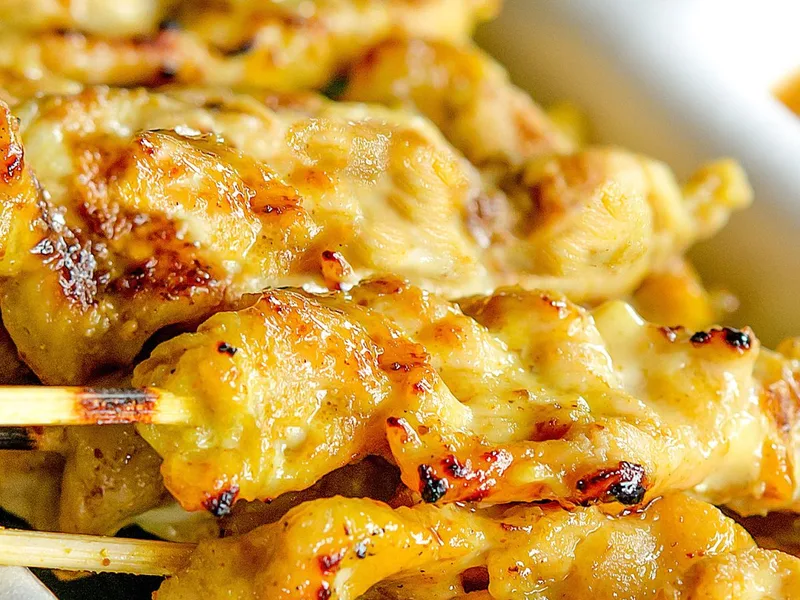
Weight Watchers Pork Satay with Low-Fat Peanut Sauce
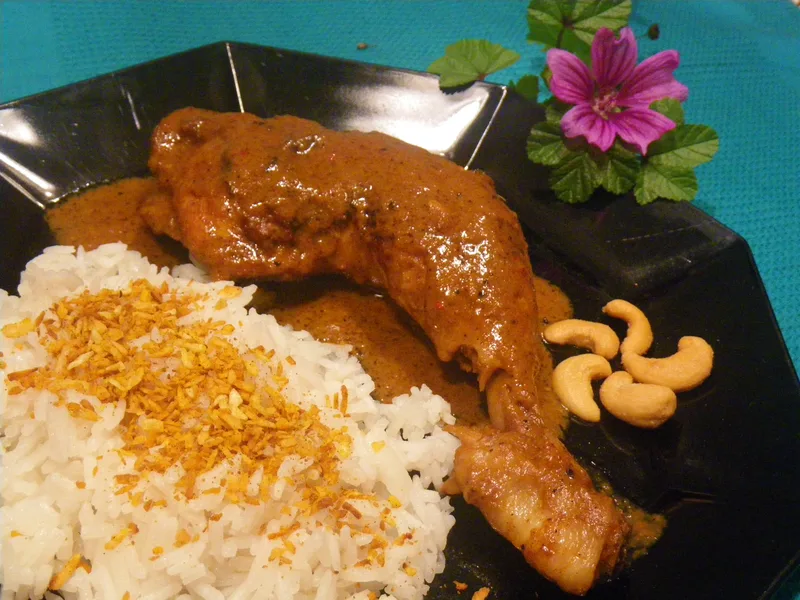
Balinese Chicken Legs in Spiced Coconut Sauce
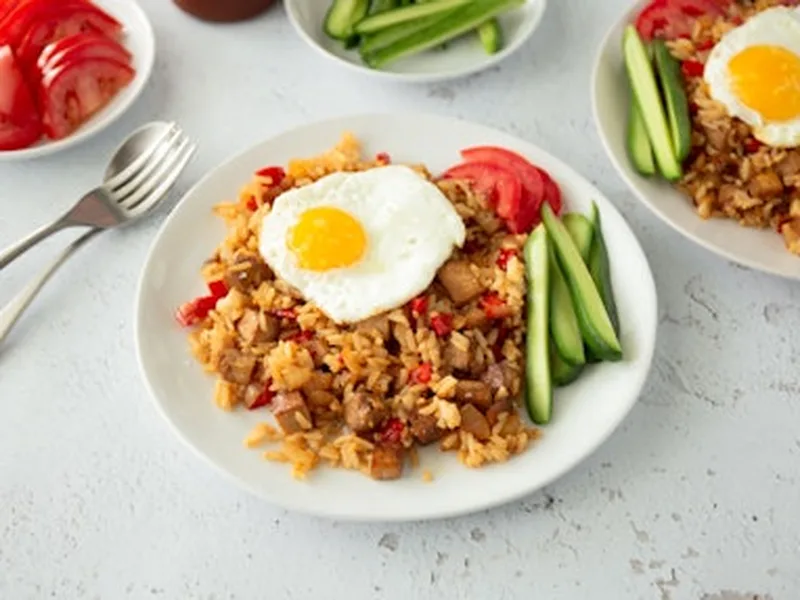
Indonesian Fried Rice with Crispy Tofu and Runny Fried Egg
Indonesian cooking starts with a mortar and pestle. Bang garlic, shallots, and chili into a paste. That's your base.
Most Indonesian dishes build from bumbu, a spice paste that takes 10-15 minutes to pound by hand. Skip the food processor. The oils release differently when you crush them. Your bumbu might have 8 ingredients or 20, but shallots and garlic always lead. Add candlenuts for body, galangal for citrus notes, turmeric for color. Fry this paste in oil until it darkens and smells sweet, usually 5-7 minutes at medium heat.
The food spans 17,000 islands, but certain rules hold everywhere. Rice anchors every meal. Coconut appears in three forms: milk for curries, grated fresh for salads, palm sugar for sweetness. Sambal sits on every table. Some families make 20 different sambals. Start with sambal oelek: 10 red chilies, 1 teaspoon salt, 1 tablespoon vinegar.
Indonesian cooks balance five elements in each meal. Something fried (goreng). Something with sauce (berkuah). Raw vegetables (lalapan). Sambal. Kerupuk crackers. A proper dinner spreads 6-8 dishes across the table. Everyone takes rice, then builds their plate.
Timing matters. Rendang needs 4 hours of slow cooking until the coconut milk caramelizes. Soto ayam takes 90 minutes for the broth alone. But vegetable dishes cook fast. Gado-gado comes together in 20 minutes. Tempe goreng takes 8 minutes in 350F oil.
You'll use techniques from China, India, and the Netherlands, filtered through Indonesian methods. Stir-frying happens in a wok over maximum heat. Deep-frying uses coconut oil at 325-375F. Grilling means charcoal, not gas. The char matters.
This food rewards patience. Pound your spices. Toast them properly. Let stews reduce until thick. Your kitchen will smell like lemongrass and galangal for hours.
Essential Ingredients
Key Techniques
FAQ
Why does my rendang taste flat compared to restaurants?
You're rushing the caramelization. Rendang needs 4-6 hours of cooking. First 2 hours with liquid, then dry-frying the last 2 hours until the oil separates. The meat should be almost black. Most home cooks stop at 90 minutes when it still tastes like coconut curry. Keep going until only oil remains, stirring every 10 minutes.
Can I make Indonesian food less spicy?
Remove seeds and membranes from chilies to cut heat by 70%. Use 2-3 large red chilies instead of 10 bird's eye chilies. Add coconut milk to any dish, starting with 1/4 cup. Serve cucumber slices and white rice on the side. Never skip chilies entirely or the flavor profile breaks.
What oil should I use for Indonesian cooking?
Coconut oil for authenticity, neutral oil for practicality. Coconut oil adds subtle sweetness but smokes at 350F. Mix 50/50 with peanut oil for deep frying. Never olive oil, the flavor clashes. You need 3-4 tablespoons for properly frying bumbu, less won't release the aromatics.
How do I stop my coconut milk from curdling?
Keep heat at 180-190F maximum, never let it bubble. Add 1 tablespoon cornstarch slurry if it starts separating. Stir gently in one direction. Add acidic ingredients like tamarind last, after removing from heat. Full-fat coconut milk with 60%+ coconut content resists curdling better than light versions.