Irish Recipes
19 recipes
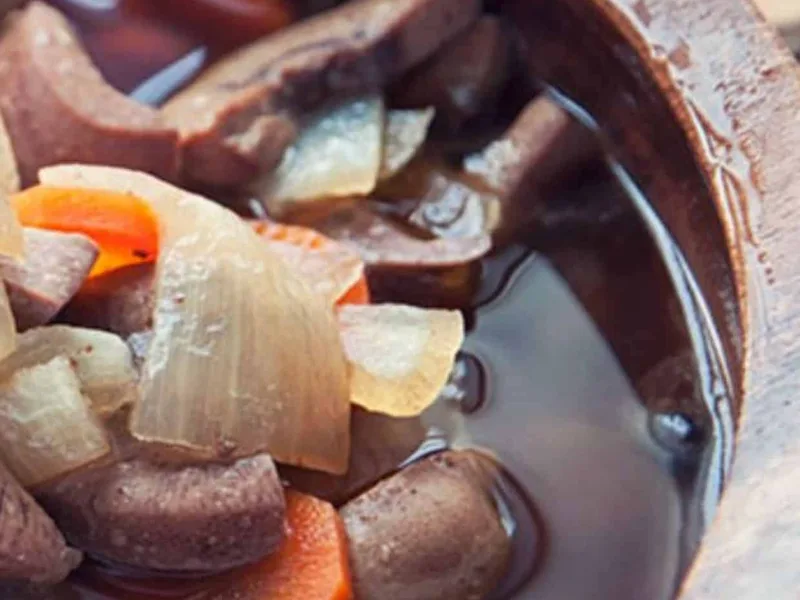
Traditional Irish Kidney Soup with Lamb and Root Vegetables
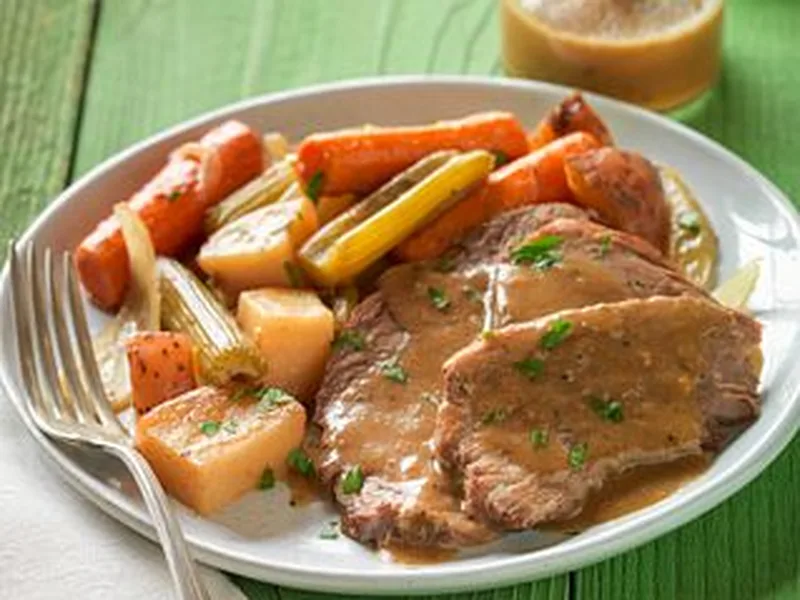
Slow Cooker Irish Beef Pot Roast with Beer Gravy and Vegetables
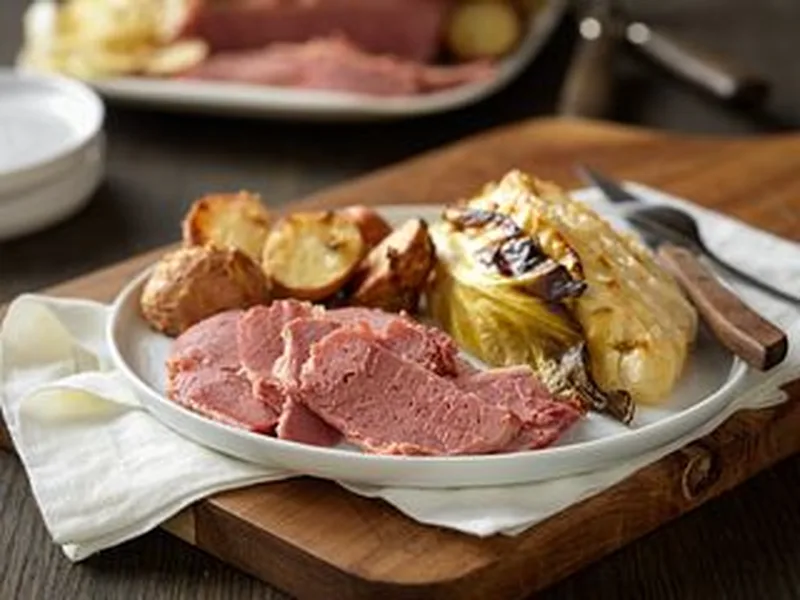
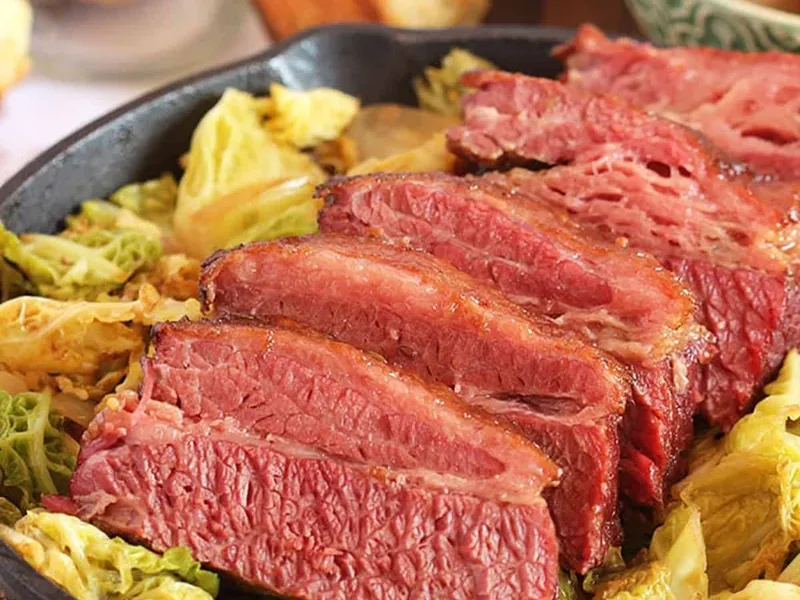
Dijon-Glazed Corned Beef with Roasted Cabbage
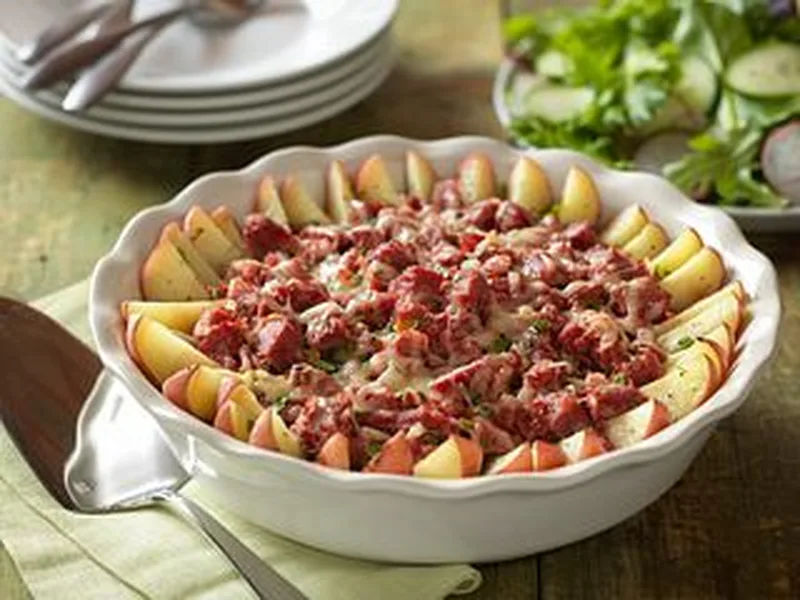
Rustic Corned Beef and Potato Bake with Swiss and Horseradish

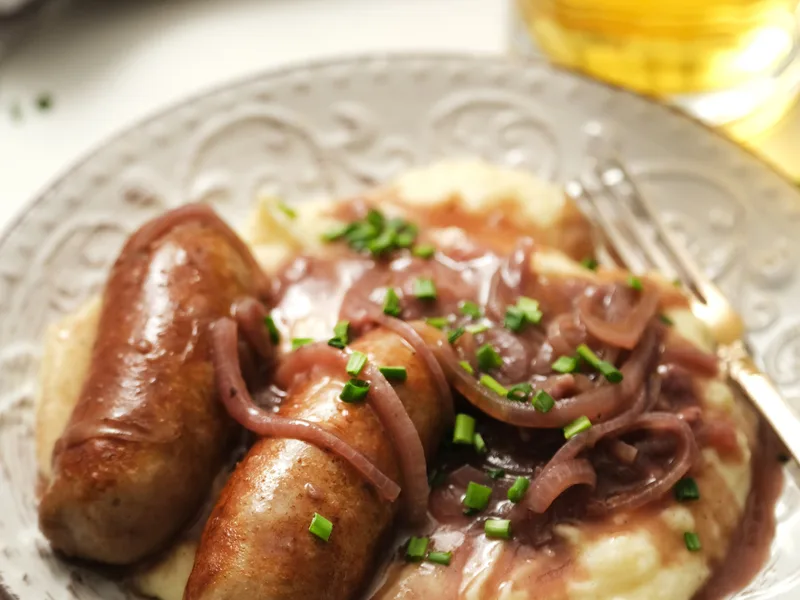
Irish Bangers and Mash with Dubliner Cheese and Rich Onion Gravy

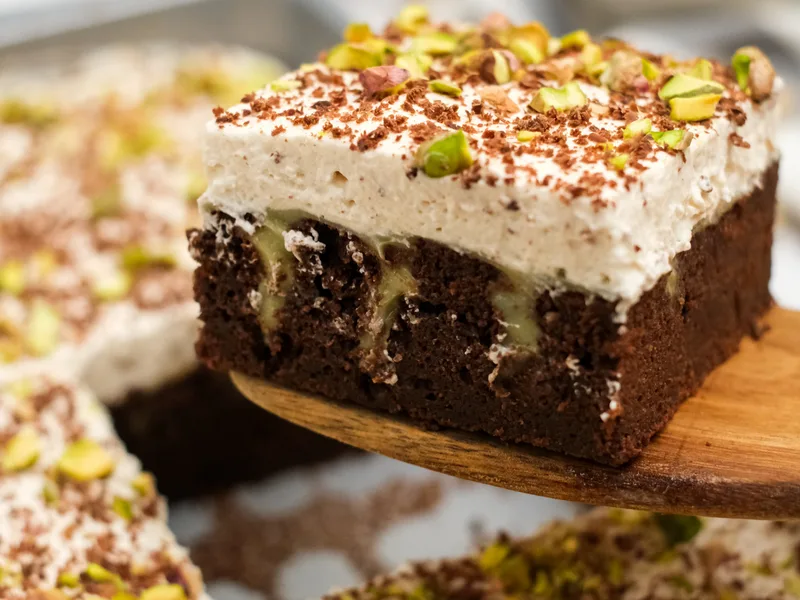
Bailey's Irish Cream Poke Cake with Pistachio Pudding

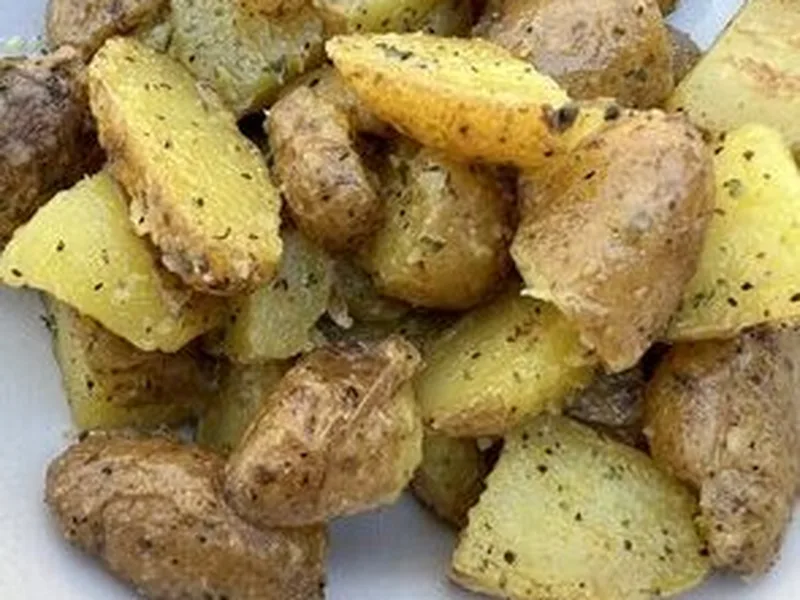
Boiled Red Potatoes with Butter and Fresh Parsley

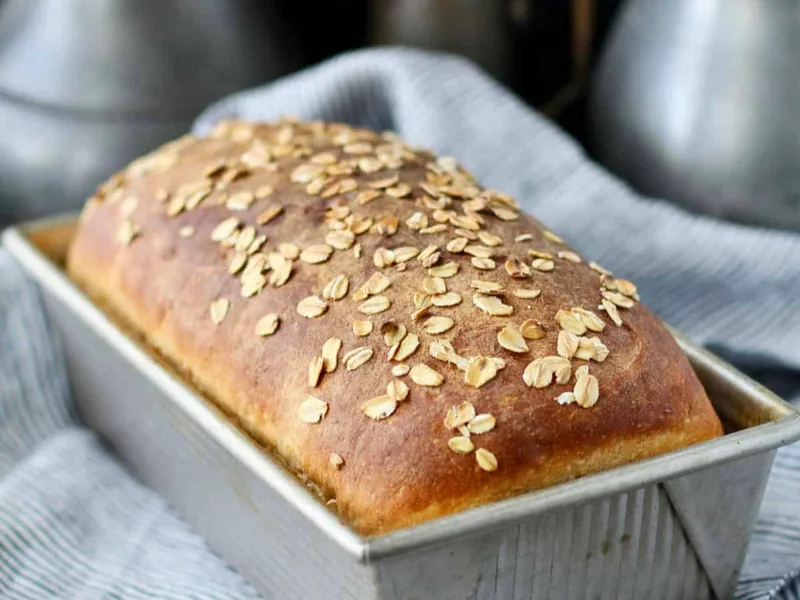
Oat and Potato Bread with Soft Crumb and Hearty Texture

Slow-Roasted Corned Beef and Caramelized Cabbage

Gluten-Free Cheese and Herb Irish Soda Bread

Irish Whiskey Soda Bread with Orange and Caraway

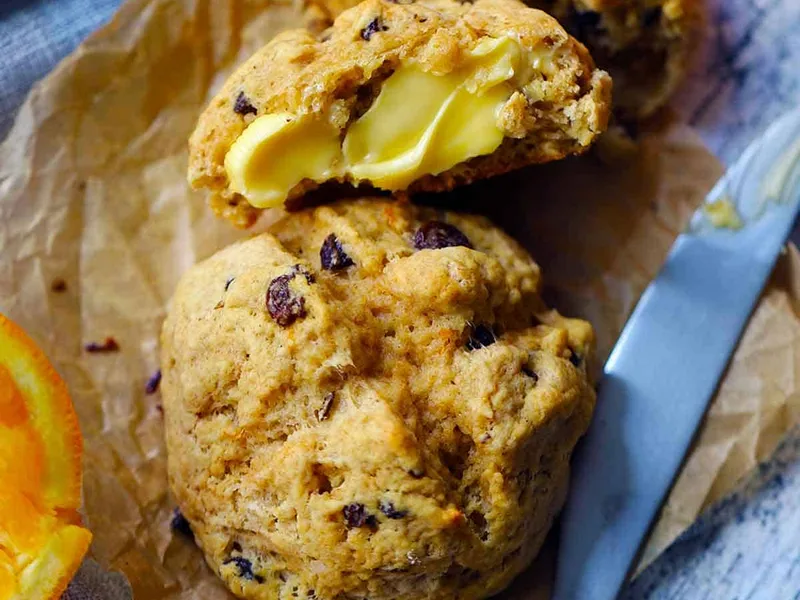
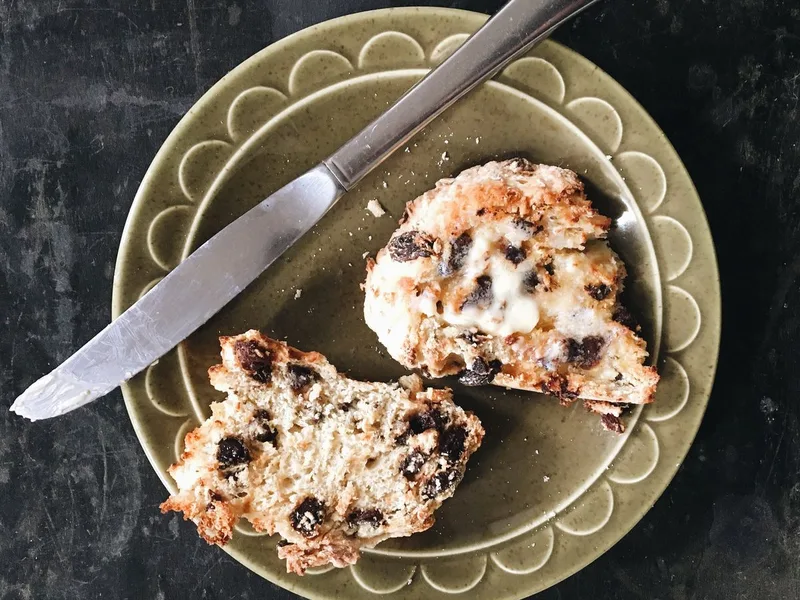
Irish Soda Bread Scones with Orange and Caraway

Instant Pot Corned Beef with Cabbage and Buttered Potatoes

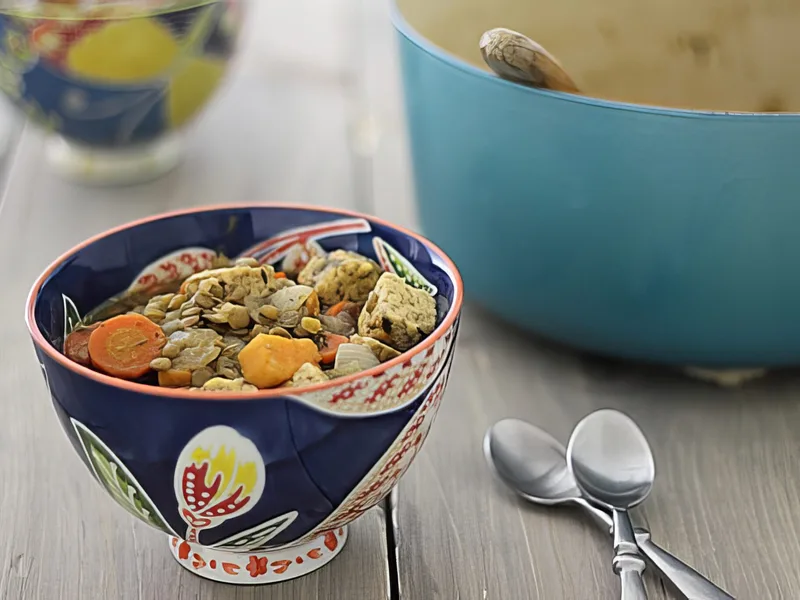
Irish Stew with Sweet Potatoes and Tempeh - Hearty Vegetarian

Hearty Corned Beef and Cabbage Stew with Farro and Dill

Traditional Irish Soda Bread with Currants and Caraway Seeds

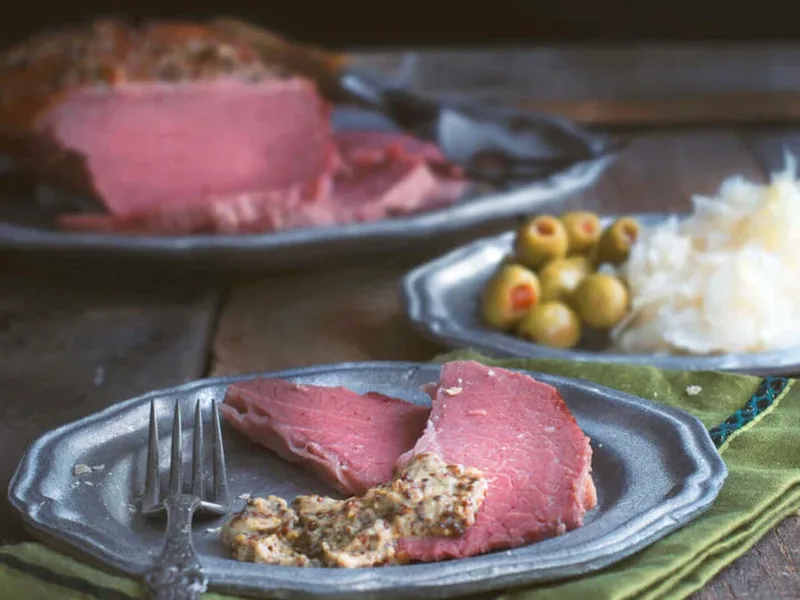
Baked Corned Beef Brisket with Sweet Mustard Crust

Easy Irish Brown Soda Bread with Wholemeal Flour

Classic Brown Soda Bread Recipe
Irish cooking runs on butter, potatoes, and slow heat. Think stews that bubble for 3 hours, breads that need no yeast, and meats that braise until fork-tender.
The foundation? Simple ingredients treated right. A proper Irish stew uses just lamb shoulder, potatoes, onions, and water. No wine. No herbs beyond thyme. Cook it low at 300F for 2.5 hours and the lamb fat creates its own gravy. That restraint defines the whole cuisine.
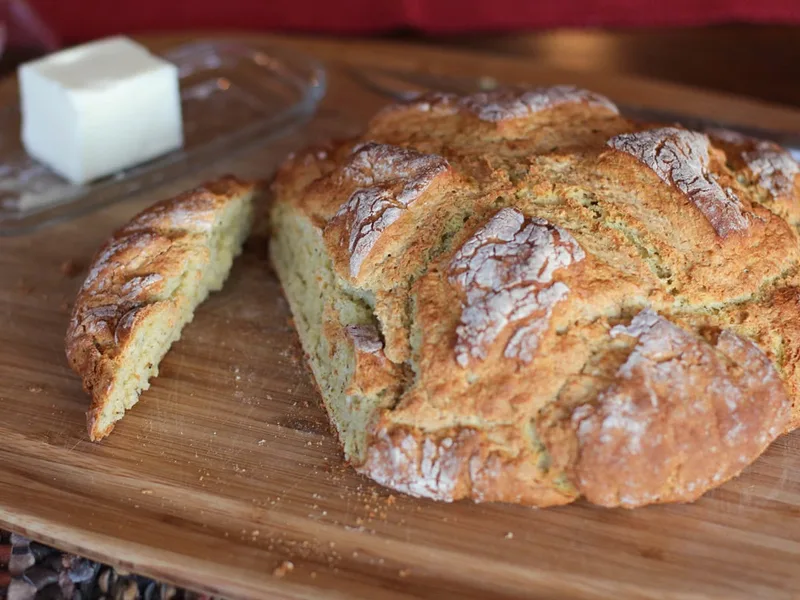
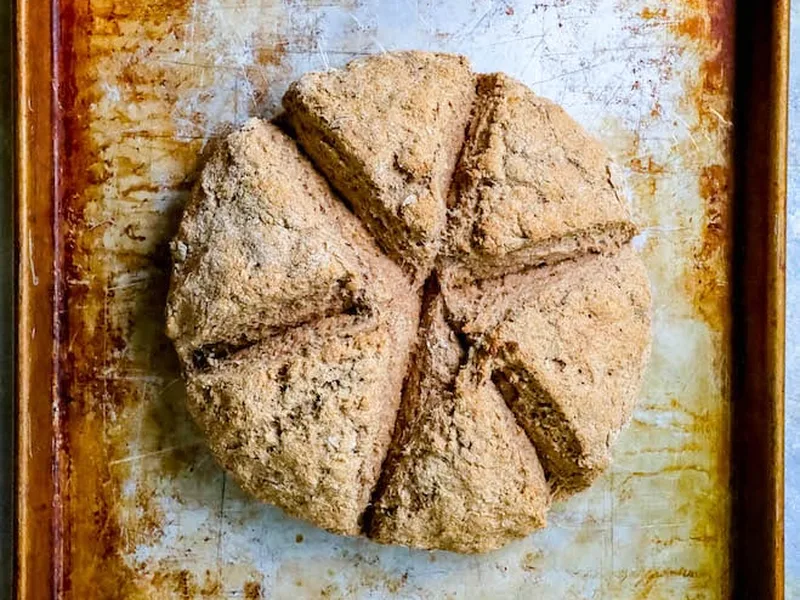
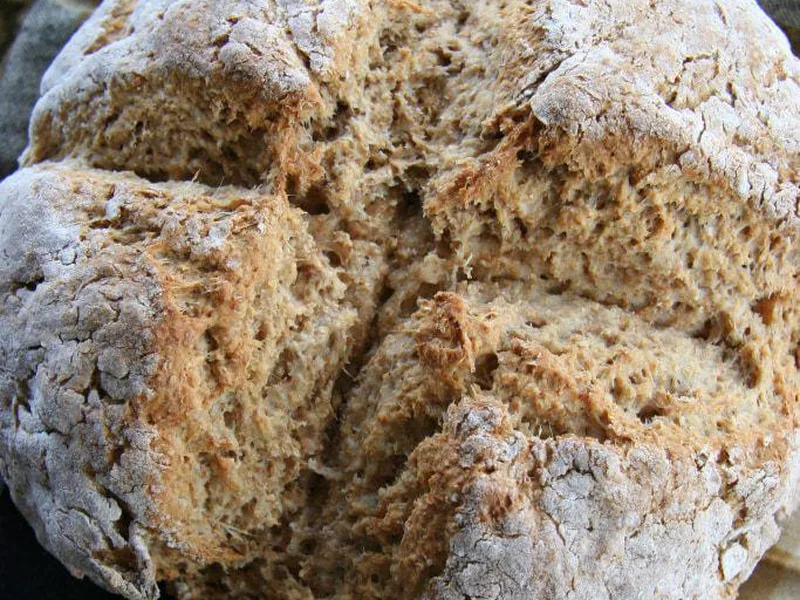
Soda bread tells the same story. Mix flour with buttermilk and baking soda, shape into a round, cut a cross on top, bake at 425F for 30 minutes. Done. No kneading, no rising, no fuss. The acid in buttermilk activates the soda for lift.
Root vegetables dominate because they grow in cool, wet weather. Carrots, parsnips, turnips, and cabbage appear in nearly every traditional dish. Potatoes arrived in the 1600s and changed everything. Colcannon mashes them with cabbage or kale. Boxty turns them into pancakes. Coddle layers them with sausages.
Dairy matters here. Real Irish butter contains 82% butterfat versus 80% in American brands. That extra 2% makes pastries flakier and gives vegetables a deeper finish. Buttermilk shows up everywhere, from soda bread to scones to marinades for fried chicken.
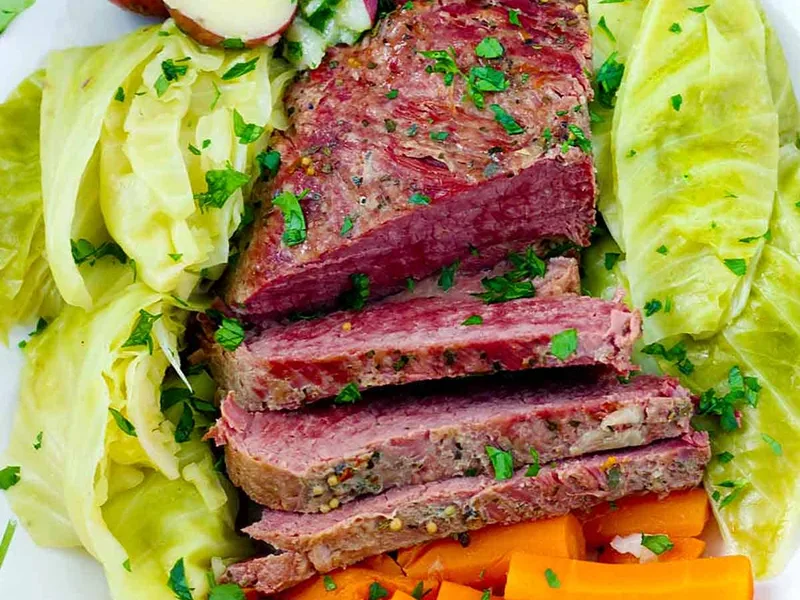
Meat means lamb, beef, and pork. Shoulder cuts and shanks work best since most recipes involve long cooking times. A proper shepherd's pie uses leftover roast lamb, not ground beef. Corned beef gets its pink color from sodium nitrite in the brine, where it sits for 5-10 days before cooking.
Modern Irish cooking keeps these traditions but adds global flavors. You'll find soda bread with caraway seeds, stews finished with stout, and brown butter colcannon. The techniques stay the same. Low heat, simple ingredients, time doing the work.
This food suits cold weather and hungry people. Most dishes reheat better the next day. A pot of stew feeds 8 for under $20. Soda bread takes 5 minutes to mix and costs $2 per loaf.
Essential Ingredients
Key Techniques
FAQ
Why does my soda bread turn out dense and heavy?
You're probably overmixing or using old baking soda. Mix just 30-45 seconds until flour barely combines. Test your soda by adding 1 teaspoon to 1/4 cup hot water with a splash of vinegar. It should fizz immediately. Also check your ratio: use 1 teaspoon baking soda per 2 cups flour. Bake at 425F exactly. Lower temperatures create dense bread.
What's the difference between Irish stew and beef stew?
Irish stew traditionally uses lamb shoulder, not beef, and contains only onions and potatoes as vegetables. No carrots, no celery, no tomato paste. Cook lamb chunks at 300F for 2.5 hours in water or light stock. The fat renders out and thickens the liquid naturally. Beef stew usually includes wine, more vegetables, and herbs beyond simple thyme.
Can I make authentic Irish recipes without buttermilk?
Make your own by adding 1 tablespoon white vinegar or lemon juice to 1 cup whole milk. Let sit 5 minutes until it curdles slightly. This works in all recipes calling for buttermilk. For soda bread, the acid is crucial since it reacts with baking soda to create lift. Regular milk won't work. In a pinch, thin yogurt with water to buttermilk consistency.
How long do Irish stews and braises keep?
Most Irish stews improve after 24 hours and keep 4-5 days refrigerated or 3 months frozen. Cool to room temperature within 2 hours, then refrigerate in airtight containers. Fat solidifies on top, creating a seal that preserves flavor. Reheat slowly at 300F for 20-30 minutes. Add 1/4 cup water if needed. Freeze in portion sizes for easy weeknight meals.