Stir-Fry Recipes
234 recipes
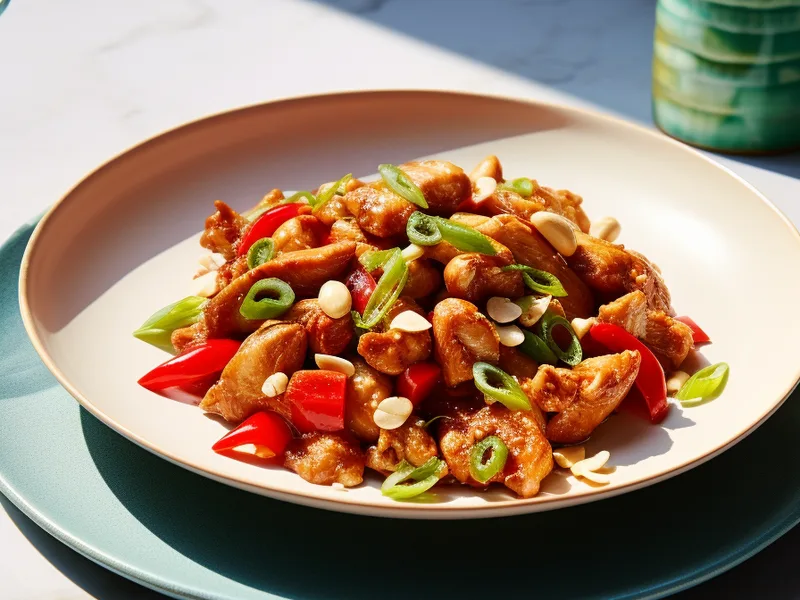
Kung Pao Chicken with Bell Peppers and Peanuts
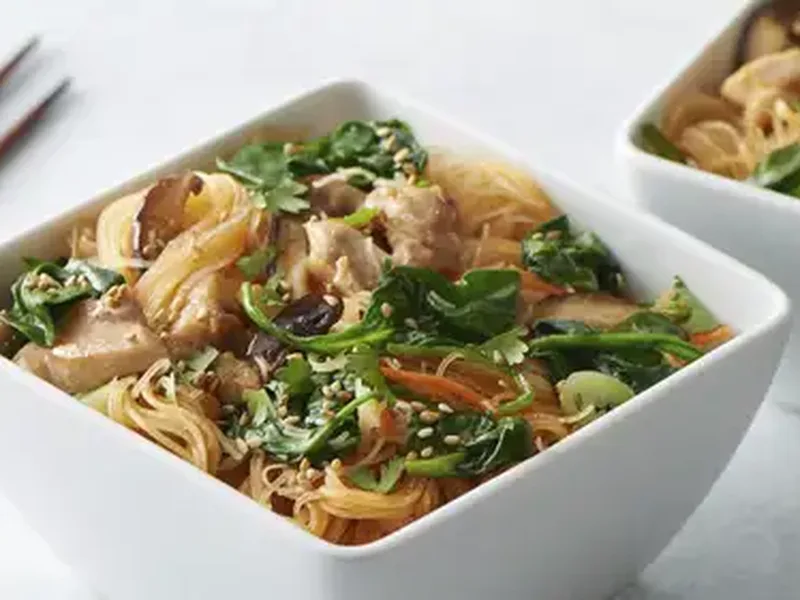
One-Pot Gochujang Chicken Stir-Fry Noodles
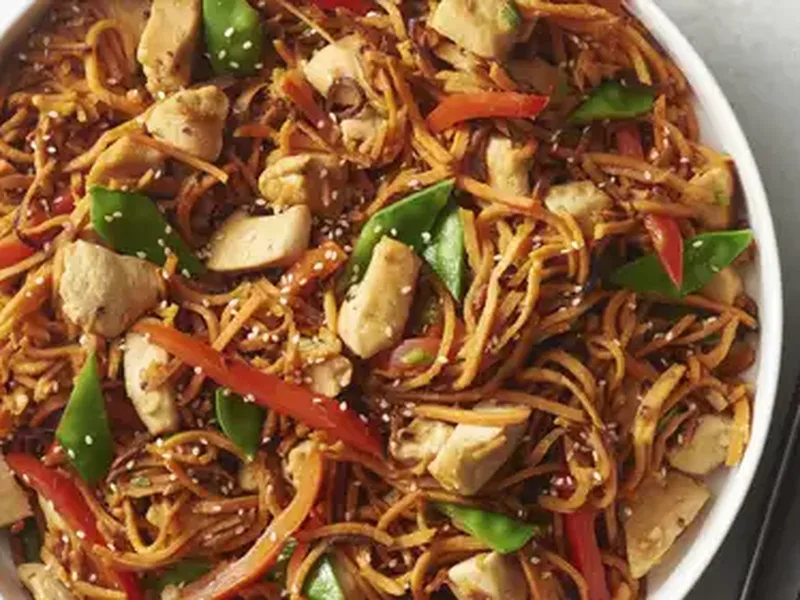
Sweet Potato Noodle Chicken Lo Mein with Fresh Vegetables
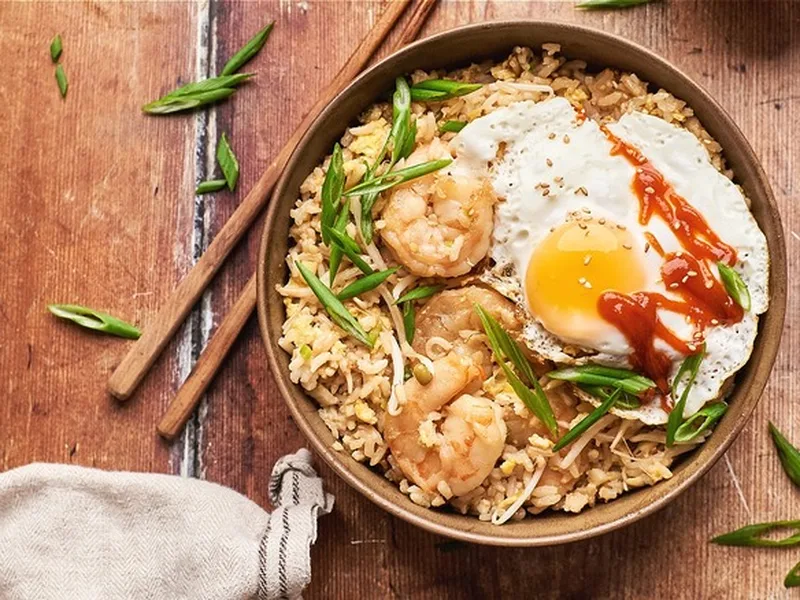
Classic Shrimp Fried Rice with Sesame Oil
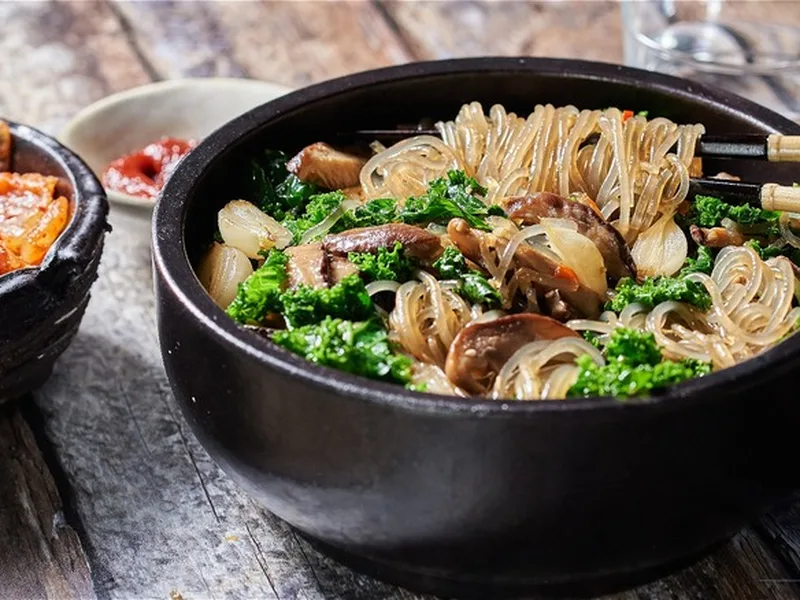
Korean Beef Japchae with Kale and Glass Noodles
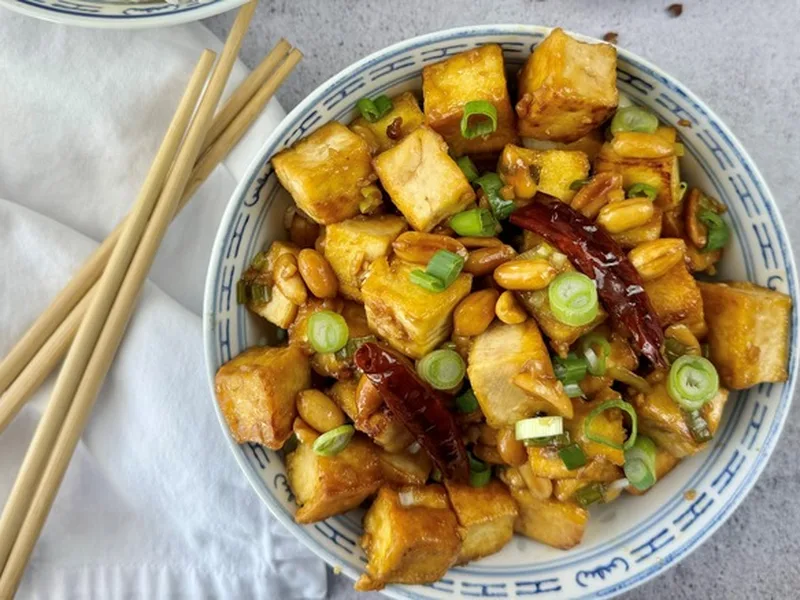
Crispy Pan-Fried Kung Pao Tofu with Peanuts
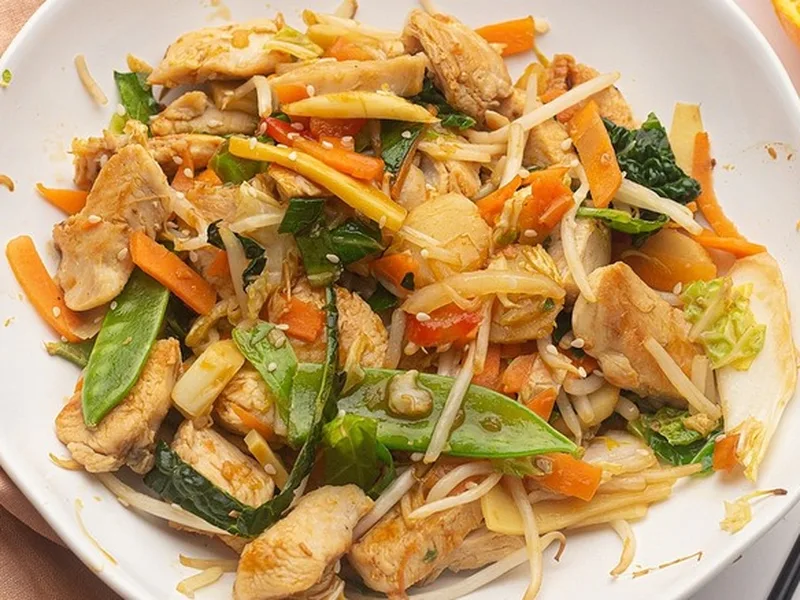
Orange Chicken Stir-Fry with Sesame Oil
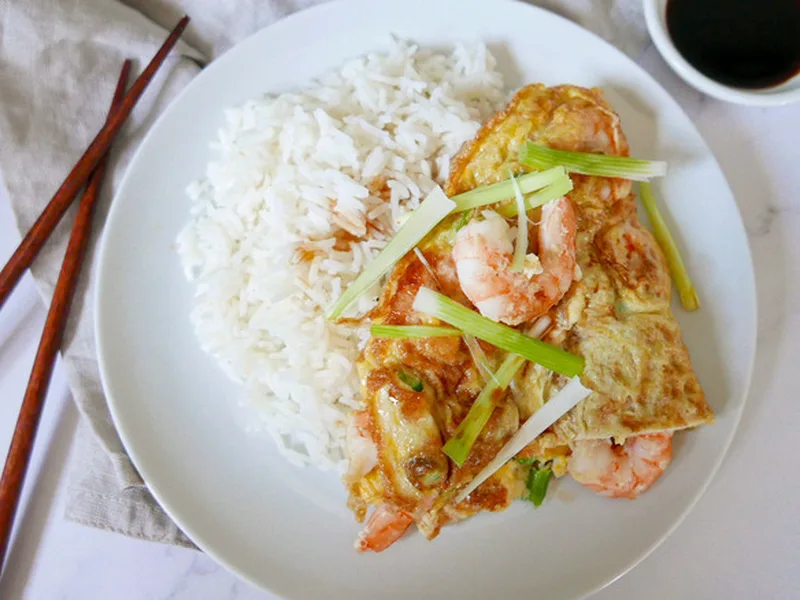
Crispy Shrimp Egg Foo Young with Bean Sprouts
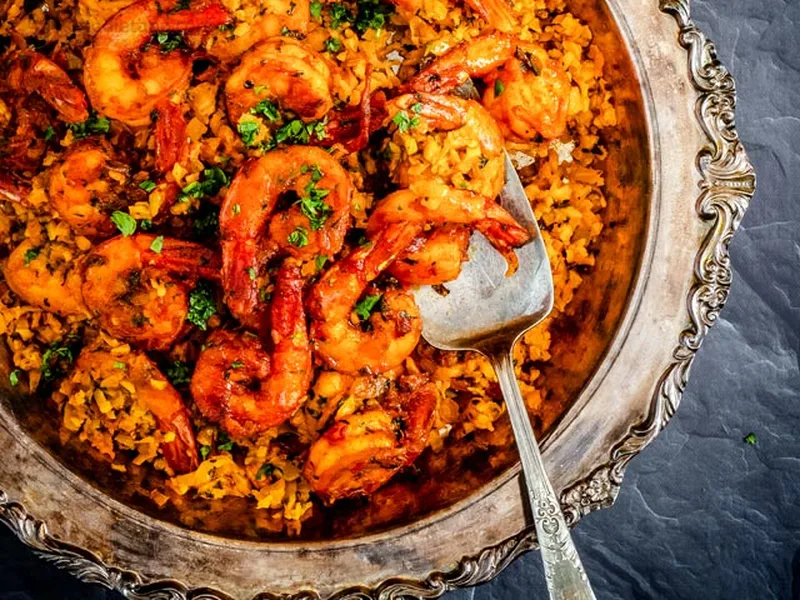
Low-Carb Shrimp Meygoo Polo with Cauliflower Rice
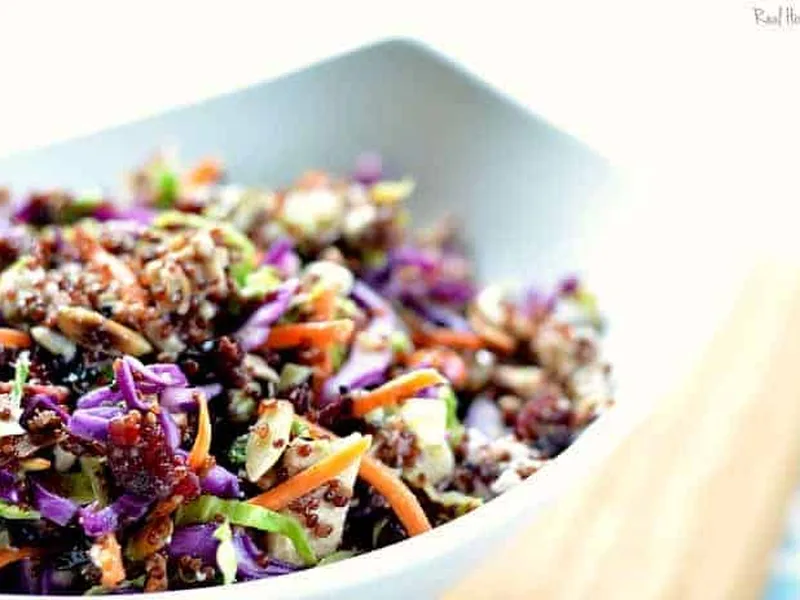
Red Quinoa Chicken Stir Fry with Brussels Sprouts and Feta
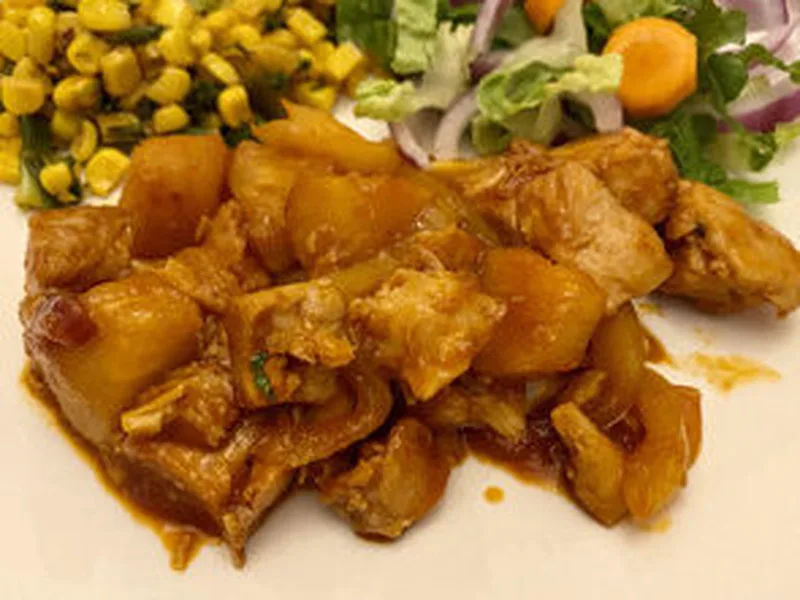
10-Minute Polynesian Chicken Stir-Fry
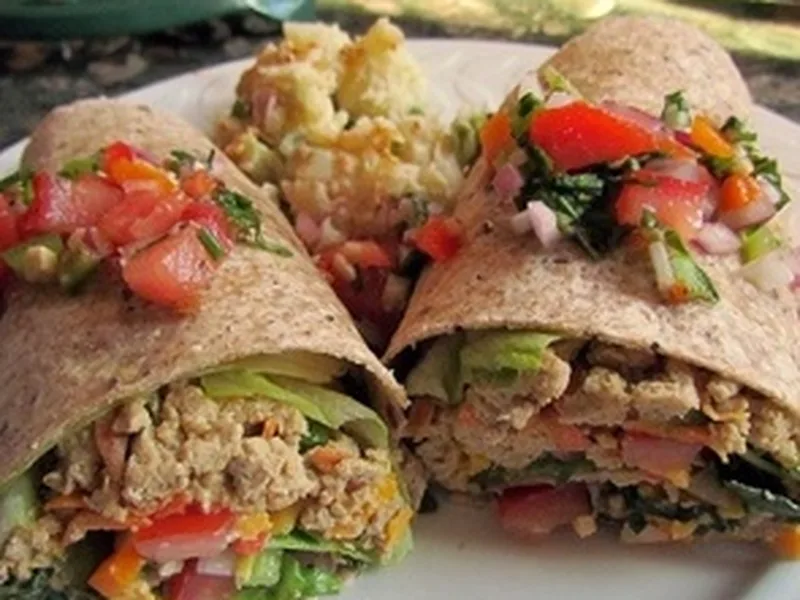
Asian Ground Chicken Tortilla Wraps
Chinese Shrimp and Broccoli Stir-Fry with Savory Sauce
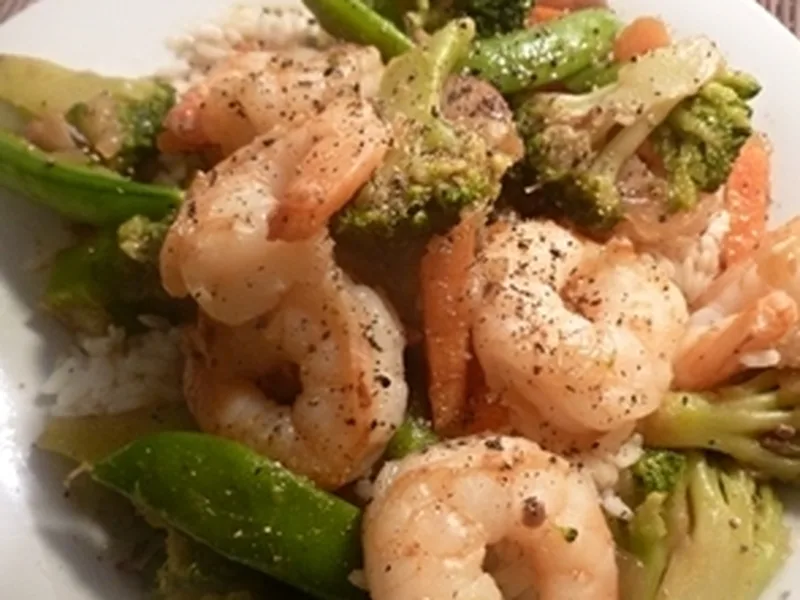
Quick Stir-Fry Sauce with Sesame and Ginger
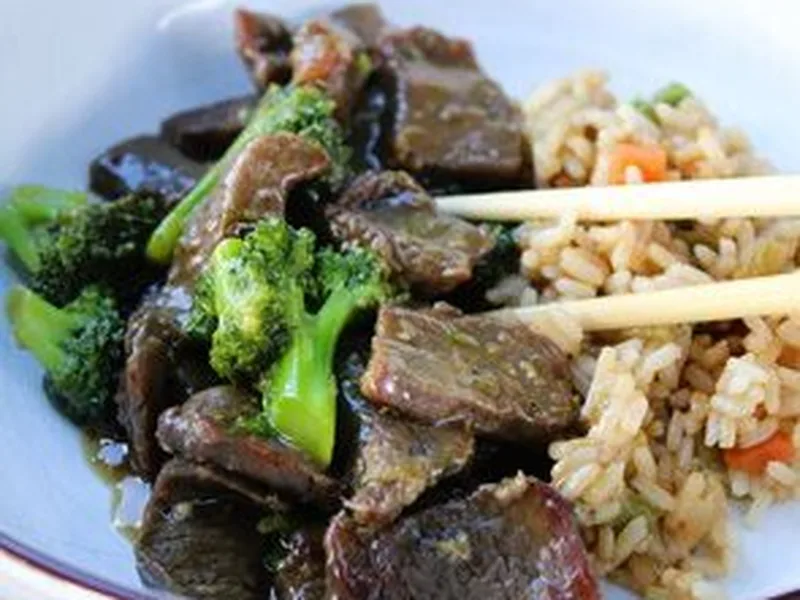
JT's Beef and Broccoli with Baking Soda Marinade
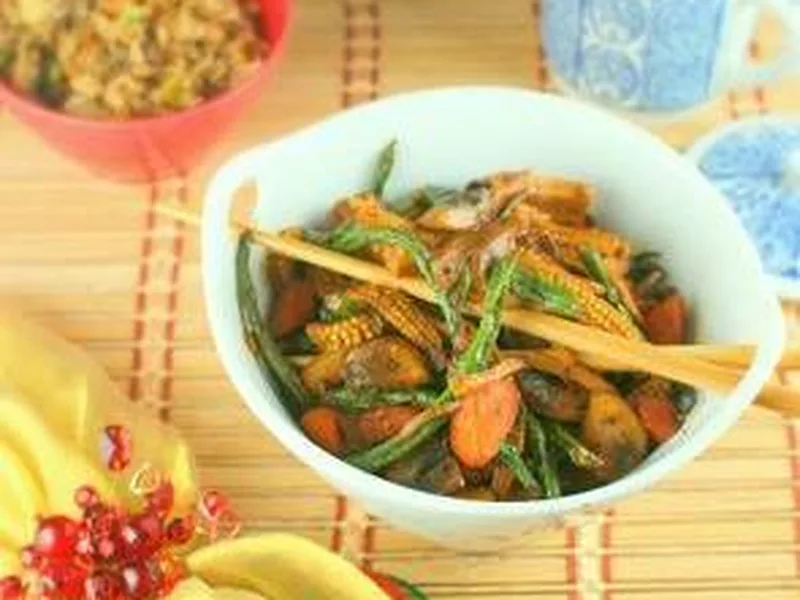
Spicy Corn and Long Bean Stir-Fry with Gochujang Sauce
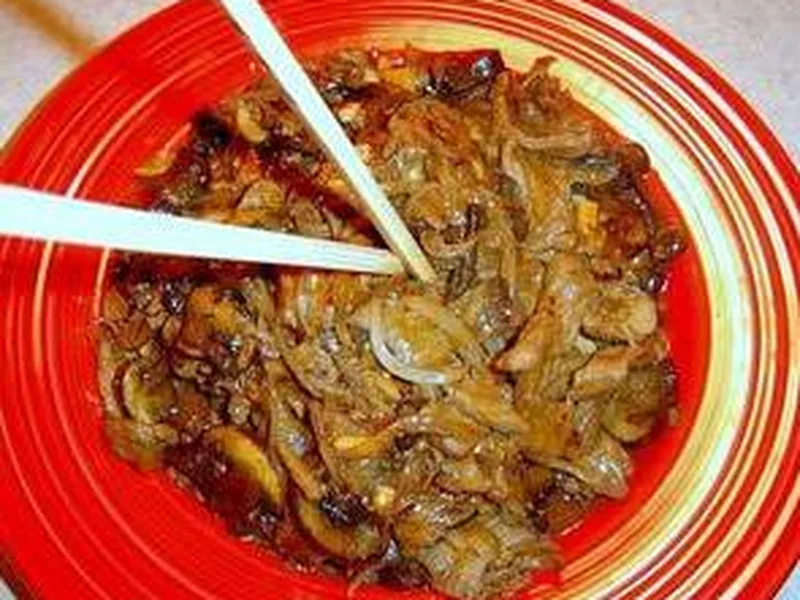
Sichuan Steak and Mushroom Stir-Fry with Chili Oil
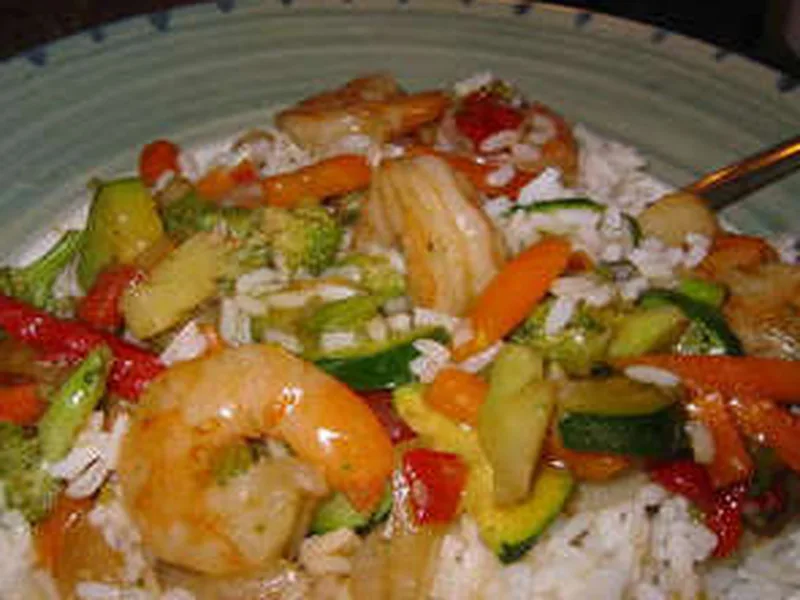
Teriyaki Shrimp Stir-Fry with Crispy Vegetables
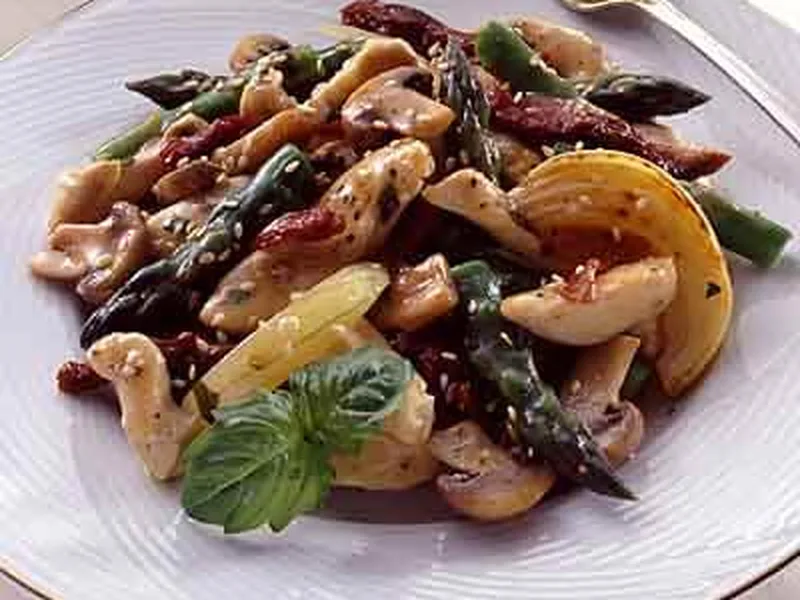
Lemon Basil Chicken Stir-Fry with Asparagus
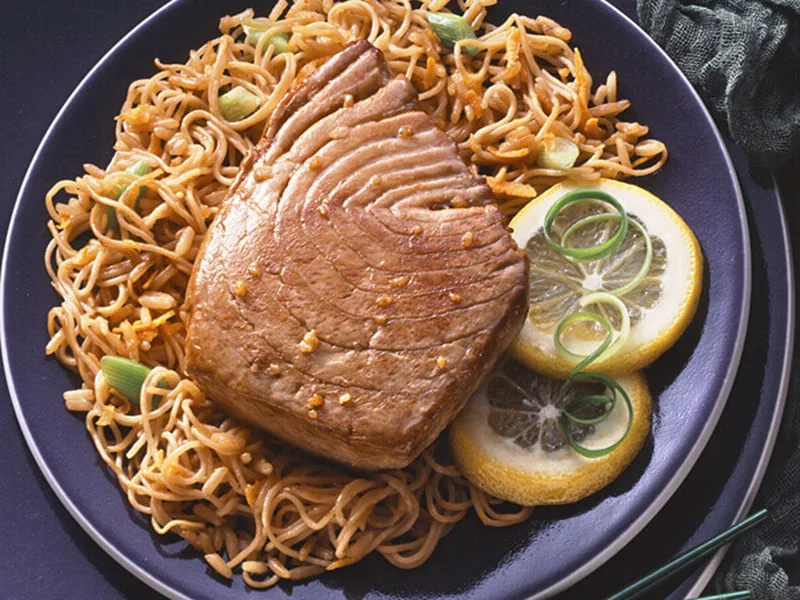
Teriyaki Tuna Steaks with Fried Rice and Noodles
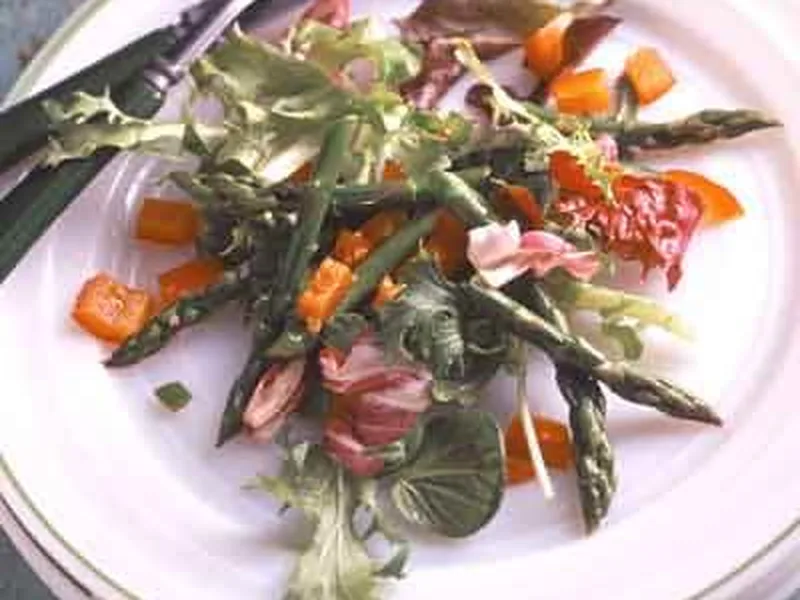
Thai Stir-Fried Vegetables Over Mixed Greens
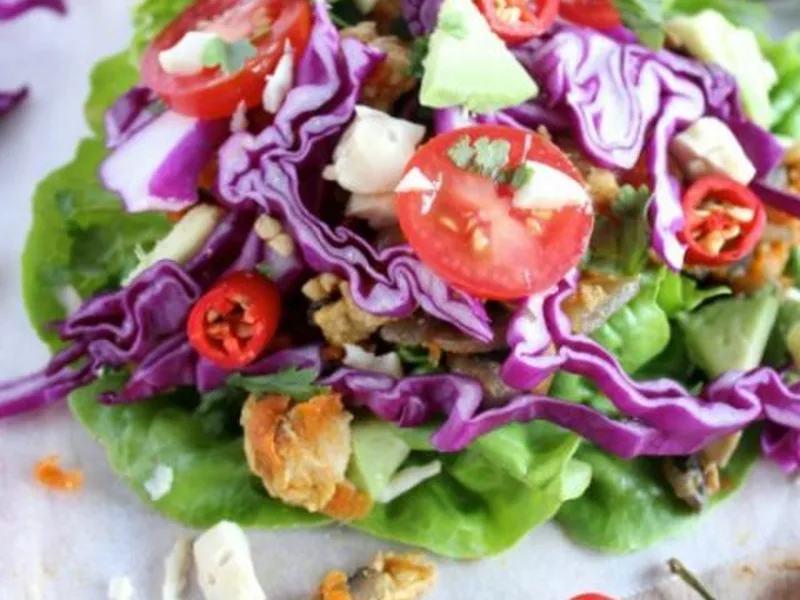
Asian Lettuce Wraps with Chicken and Cashews
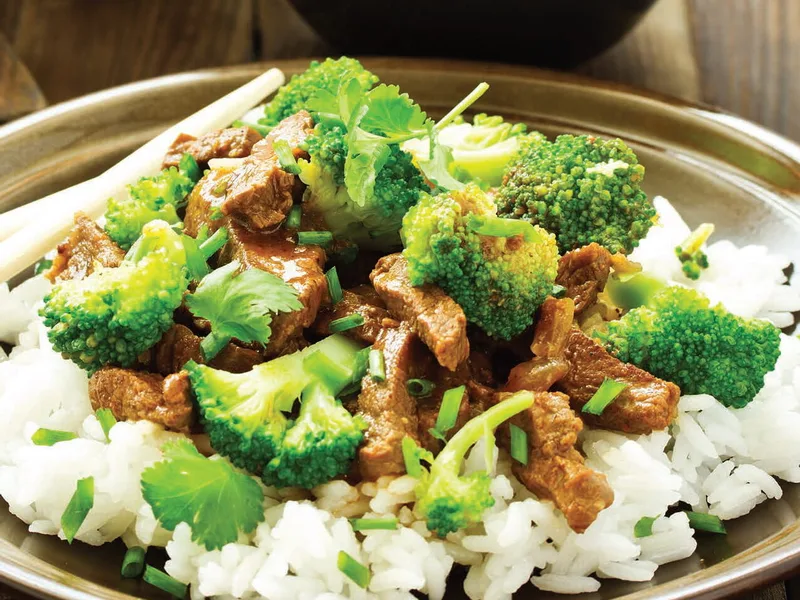
Asian Honey Soy Glazed Beef with Basmati Rice and Broccoli
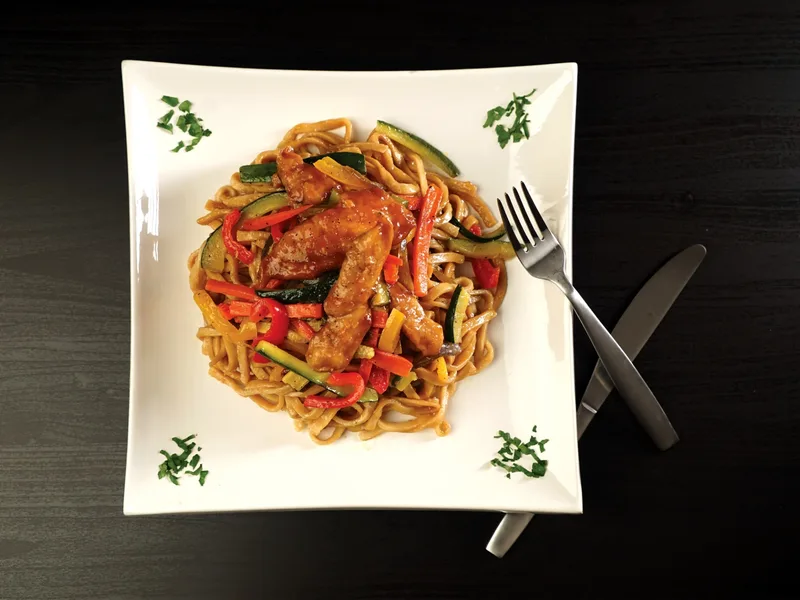
Honey-Garlic Chicken Noodle Stir-Fry with Crispy Vegetables
Stir-frying cooks food fast over high heat while keeping everything moving. A proper stir-fry happens at 400-500°F in under 10 minutes. Your vegetables stay crisp, meat stays tender, and everything gets coated in sauce without steaming or stewing. The method came from Chinese cooking but works for any cuisine. The key difference between stir-frying and sautéing? Temperature and speed. Sautéing uses medium heat around 300°F. Stir-frying needs your burner cranked to maximum. You'll see smoke rising from the oil before adding ingredients. Everything must be prepped first. Once you start cooking, there's no time to chop. Cut vegetables into uniform 1/4-inch pieces so they cook at the same rate. Slice meat against the grain into strips no thicker than 1/8 inch. Mix your sauce in advance. The whole cooking process takes 3-7 minutes once the wok heats up. Add ingredients based on cooking time. Hard vegetables like carrots go in first, taking 2-3 minutes. Softer items like snow peas need just 30-60 seconds. Meat cooks in 1-2 minutes when sliced thin. The constant motion prevents burning while developing wok hei, that smoky flavor from oil vaporizing at high heat. A gas burner works better than electric because you need 15,000+ BTUs for restaurant-style results. Home stoves typically max out at 12,000 BTUs, so work in smaller batches. About 1 pound of food per batch keeps the temperature high. Too much food drops the pan temperature below 350°F and you end up steaming instead. Cornstarch helps here. Toss meat with 1 tablespoon cornstarch per pound before cooking. It forms a protective coating that keeps moisture in while creating a light crust. For vegetables, a 30-second blanch in boiling water before stir-frying ensures even cooking.
Equipment
FAQ
Why does my stir-fry turn out soggy?
Temperature drops below 350°F when you add too much food. Cook maximum 1 pound per batch in a 14-inch wok. Moisture escapes as steam above 400°F but pools as liquid below that threshold. Also check your vegetables. Frozen vegetables release water as they thaw. Fresh vegetables work better, or thaw frozen ones completely and pat dry with paper towels first.
Can I stir-fry without a wok?
A 12-inch cast iron skillet works if it's your largest pan. Heat it for 3-4 minutes until oil smokes. The flat bottom means food in the center cooks faster than edges, so keep everything moving constantly. You'll need to work in smaller batches, about 12 ounces maximum compared to 16 ounces in a wok.
What oil should I use?
Peanut oil handles 450°F before smoking, making it ideal for stir-frying. Vegetable oil works too with a 428°F smoke point. Avoid olive oil, which smokes at 375°F and turns bitter. Use 2-3 tablespoons oil per pound of ingredients. The oil should shimmer and lightly smoke before adding food.
How do I get restaurant-style smoky flavor?
That flavor, called wok hei, requires 500°F+ temperatures and a seasoned wok. Home stoves rarely exceed 450°F even on high heat. Get close by using maximum heat, cooking in 8-ounce batches, and letting oil smoke for 5 seconds before adding aromatics. A carbon steel wok develops better seasoning than nonstick after 20-30 uses.