Mexican Recipes
335 recipes
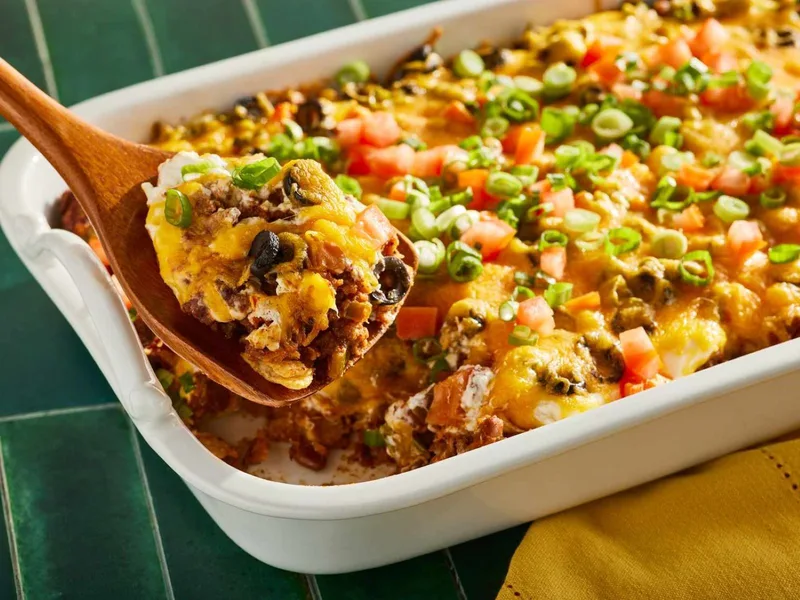
Taco in a Bag Casserole with Corn Chips and Ground Beef
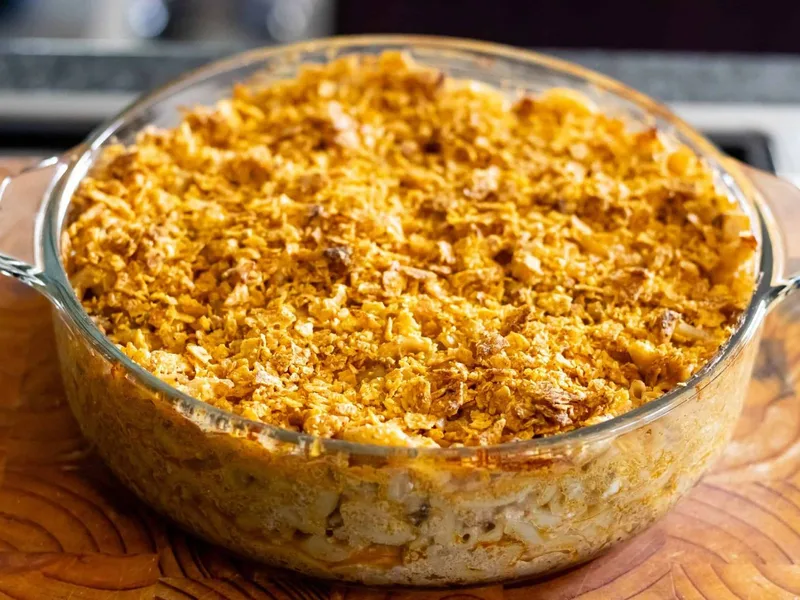
Taco Mac Casserole with Ground Beef and Cheddar Cheese
One-Pan Chipotle Lime Roasted Chicken and Potatoes
Grilled Skirt Steak Tacos with Cucumber Corn Salsa
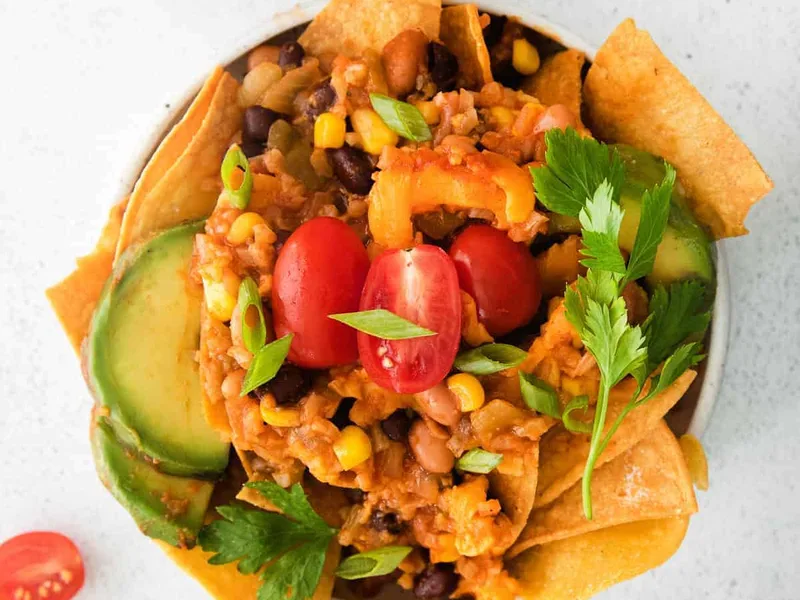
One-Pan Cauliflower Bean Taco Skillet with Cheddar
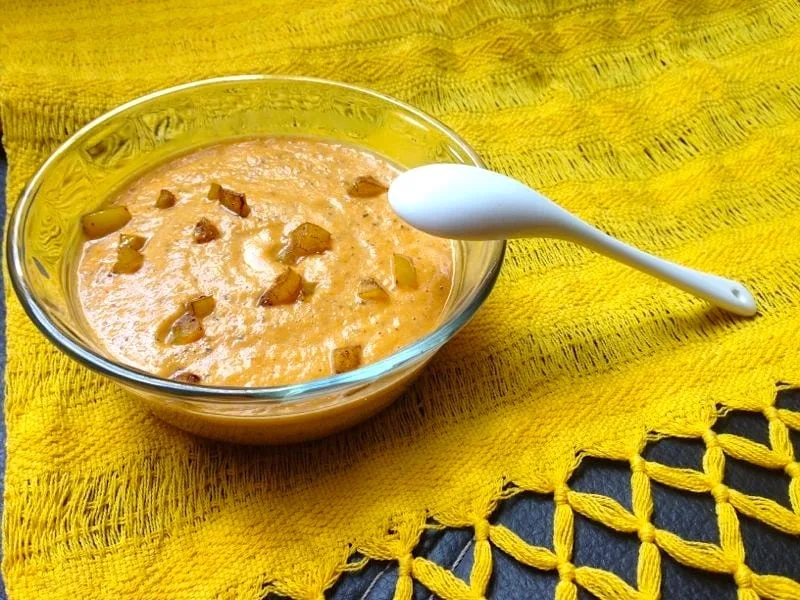
Roasted Manzano Chile and Oregano Salsa with Tomatoes
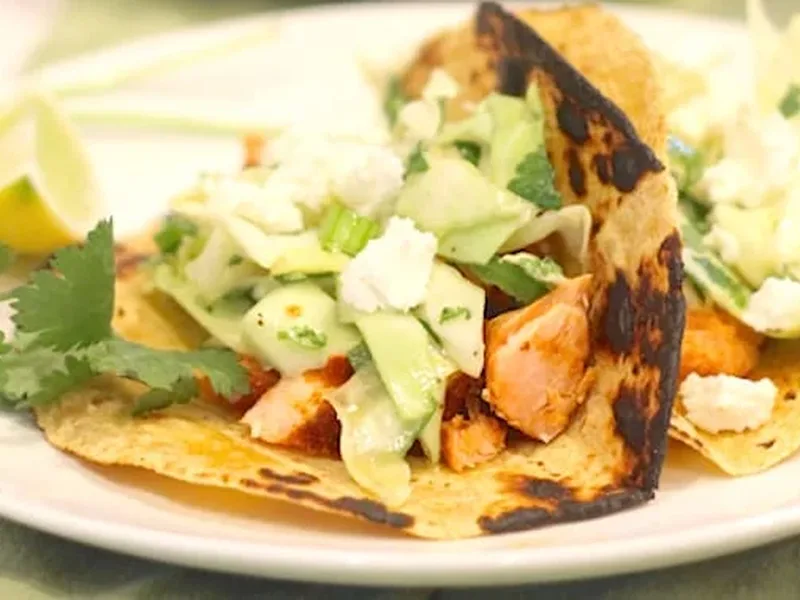
Spiced Salmon Tacos with Cilantro Jalapeño Slaw
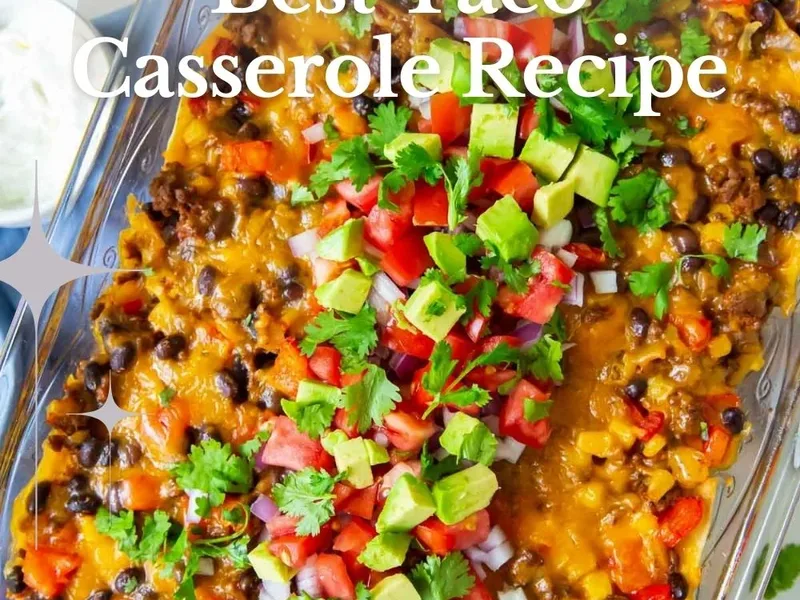
Layered Beef Taco Casserole with Crushed Tortilla Chips
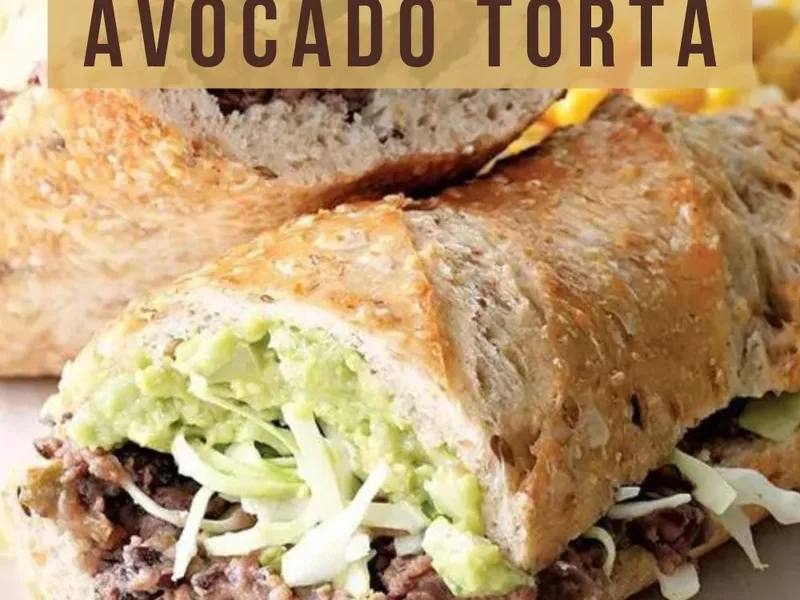
Black Bean-Avocado Torta with Crispy Baguette
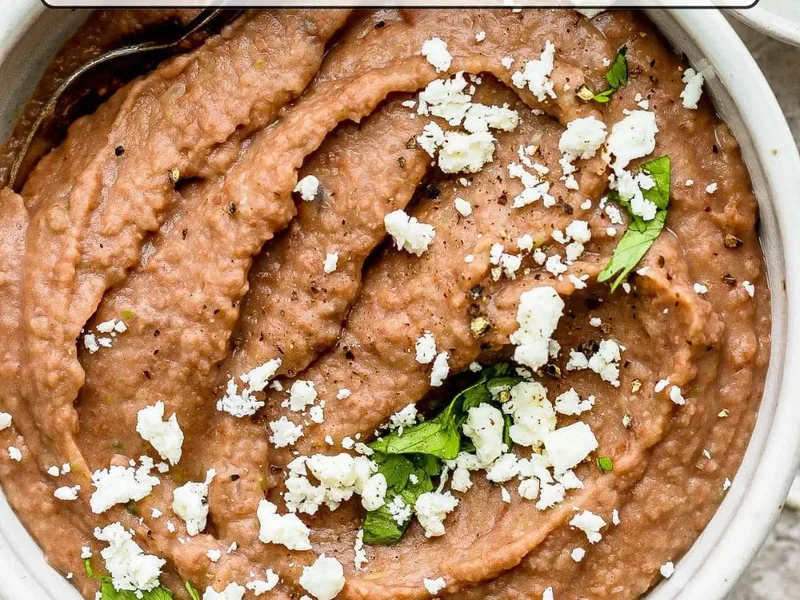
Quick Skillet Refried Beans with Cumin and Lime
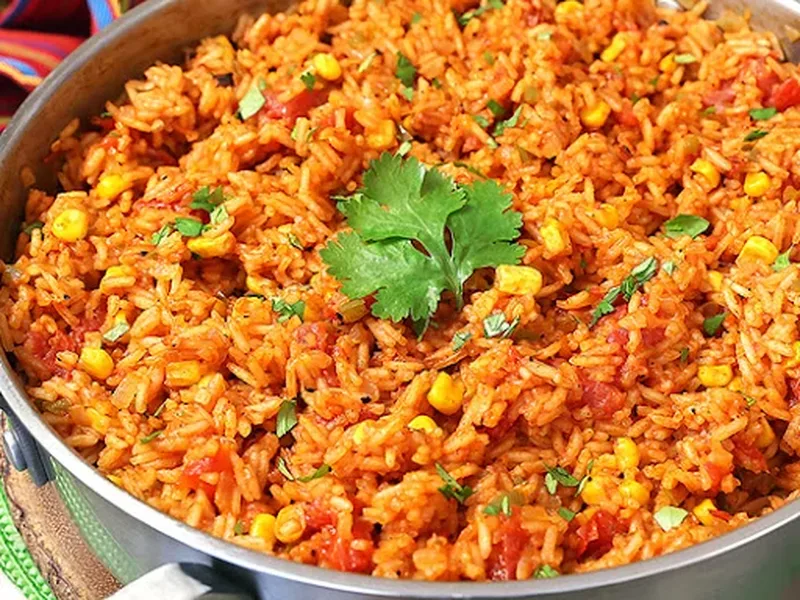
Restaurant Style Mexican Red Rice with Tomatoes and Corn
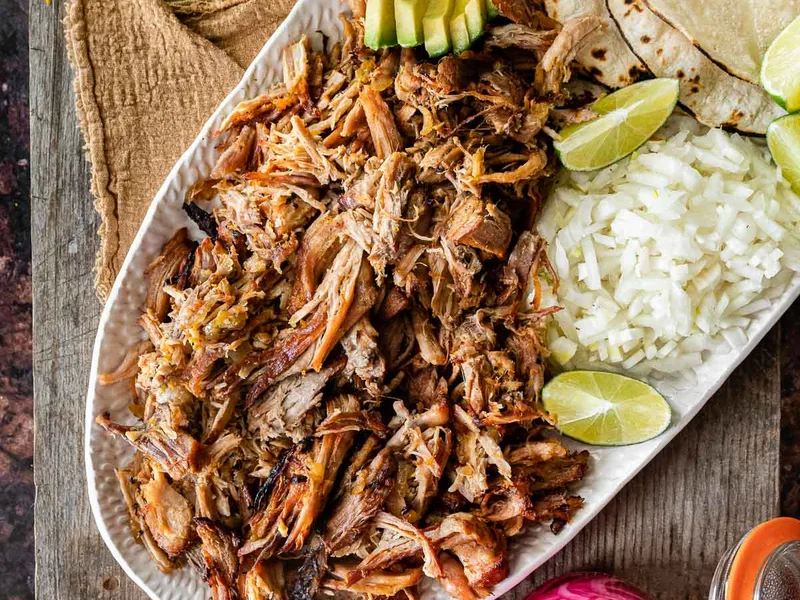
Slow-Braised Pork Carnitas with Citrus and Spices
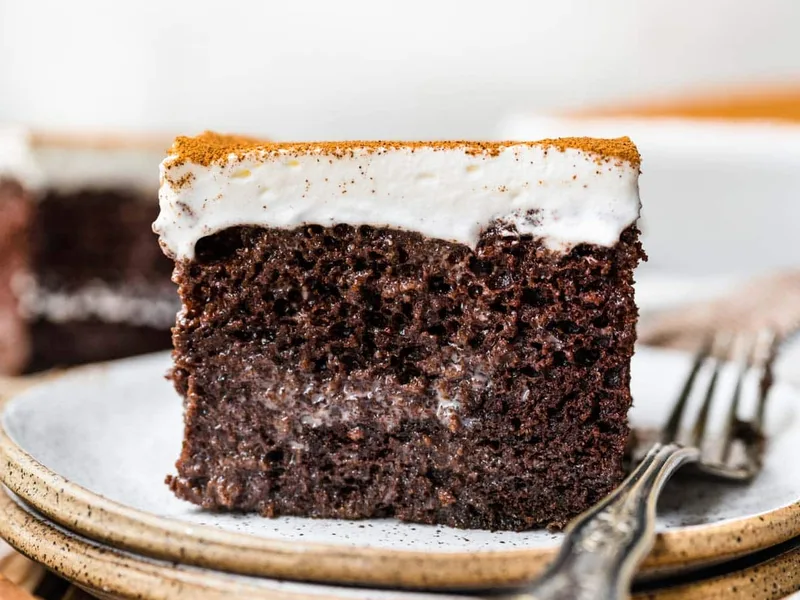
Mexican Chocolate Tres Leches Cake with Cinnamon
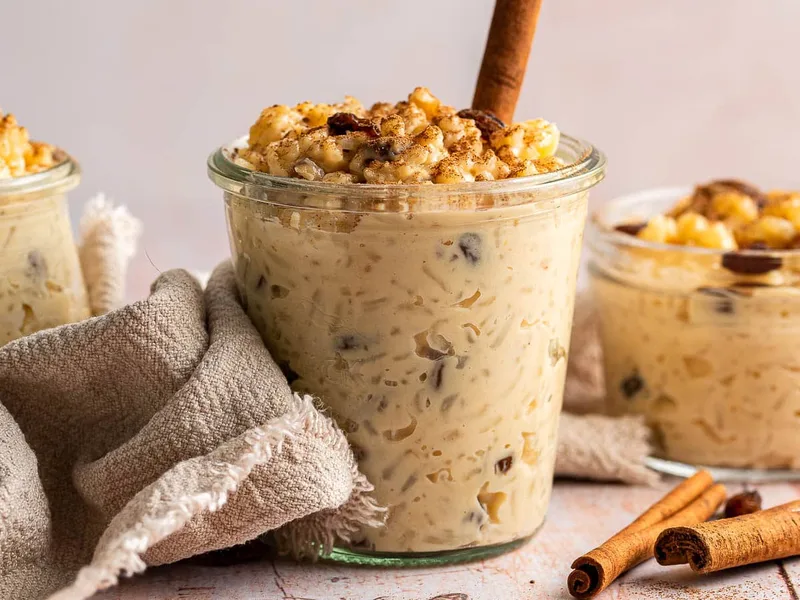
Mexican Rice Pudding with Cinnamon and Raisins - Arroz Con Leche
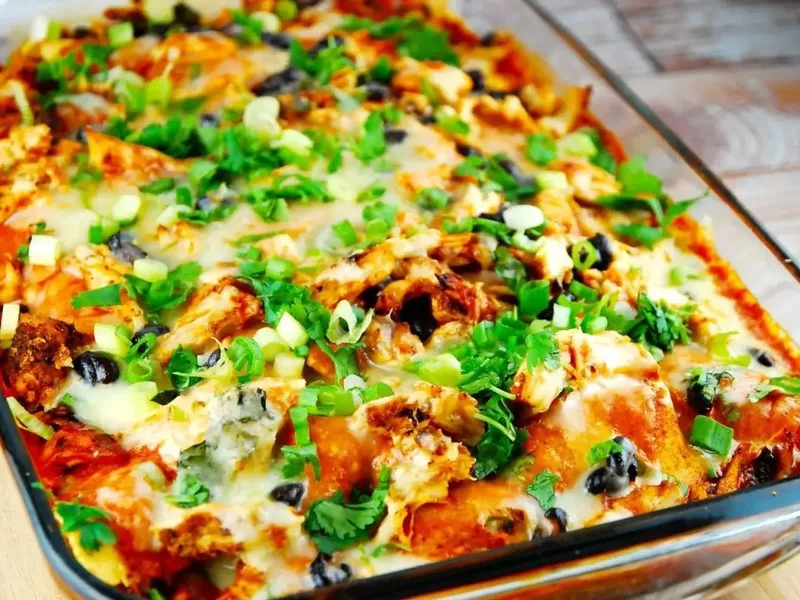
Easy Layered Chicken Enchilada Casserole - New Mexican Style
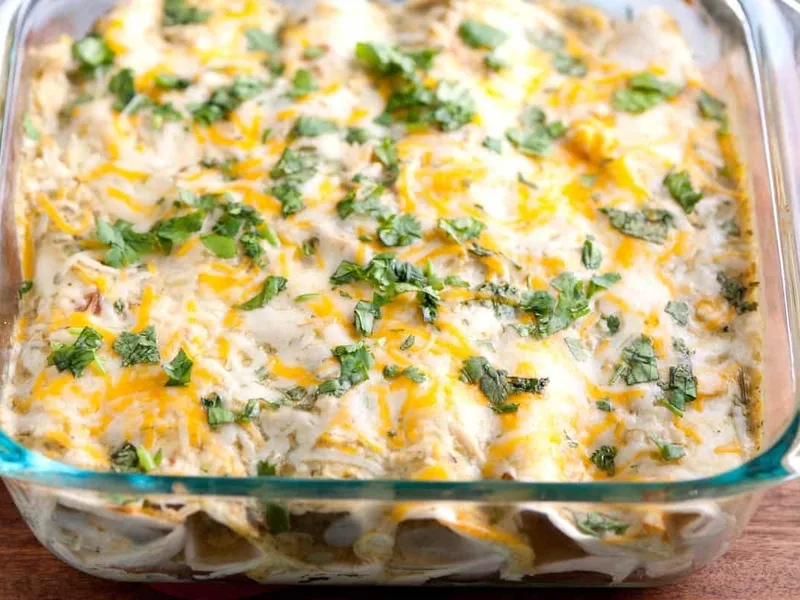
Easy Chicken Verde Enchiladas with Corn Tortillas
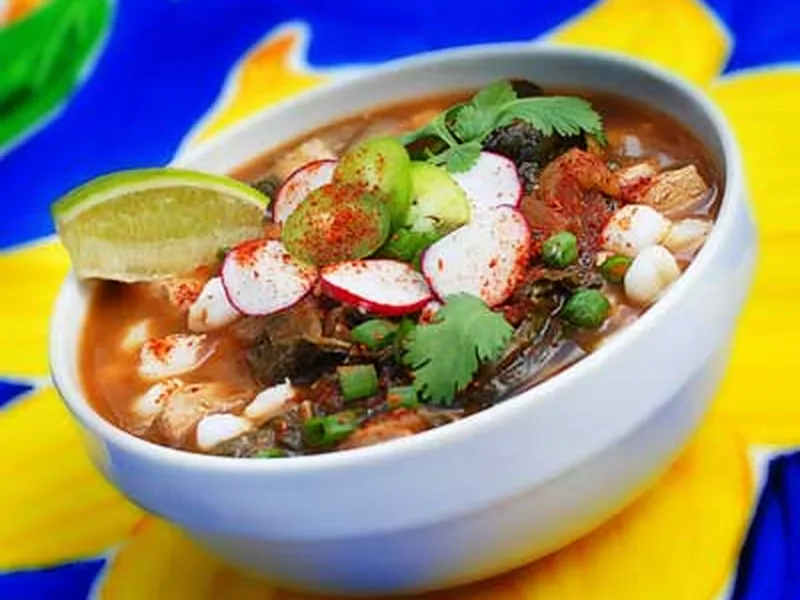
Gluten-Free Lean Green Pozole with Chicken and Tomatillos
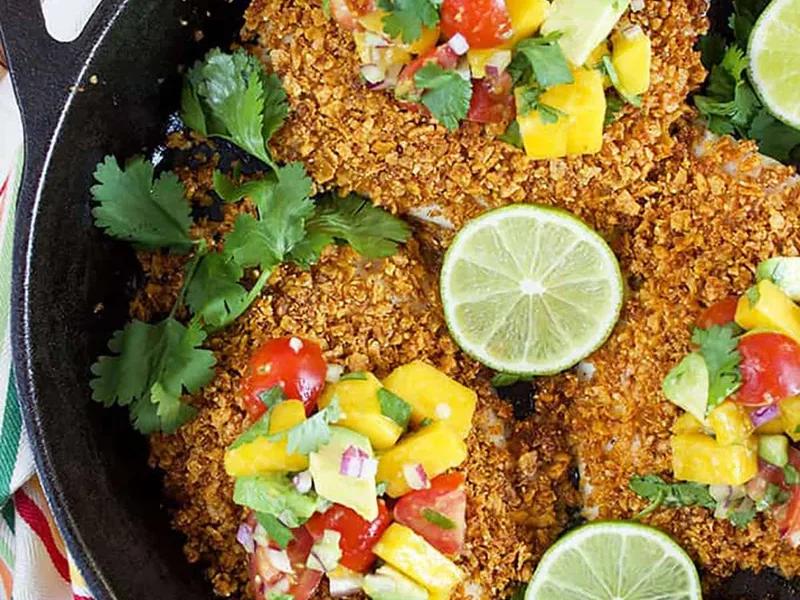
Tortilla Crusted Tilapia with Mango Avocado Salsa
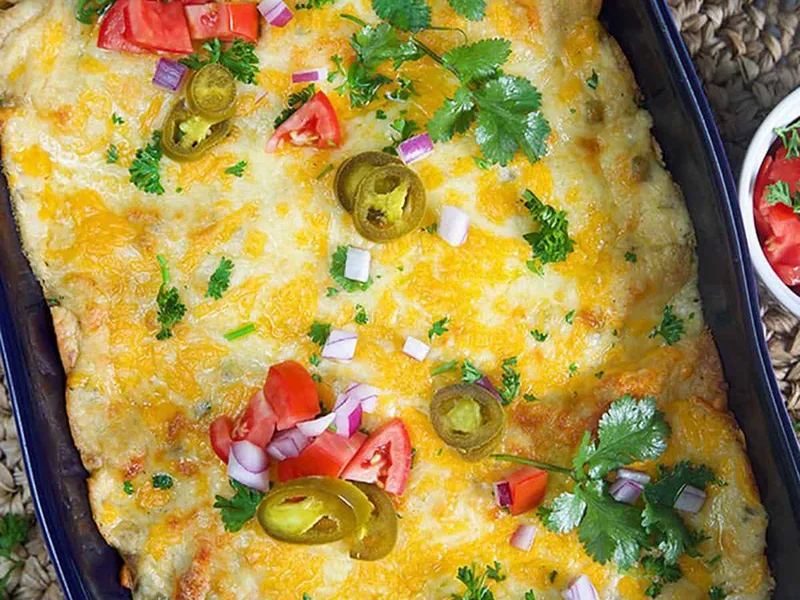
Sour Cream Chicken Enchiladas with Homemade Green Chile Sauce
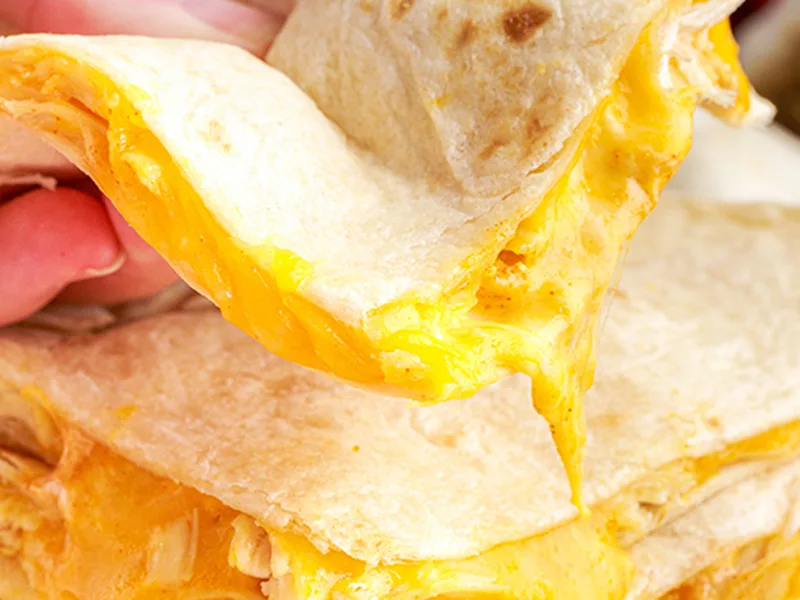
Microwave Chicken Quesadilla with Tex-Mex Sauce
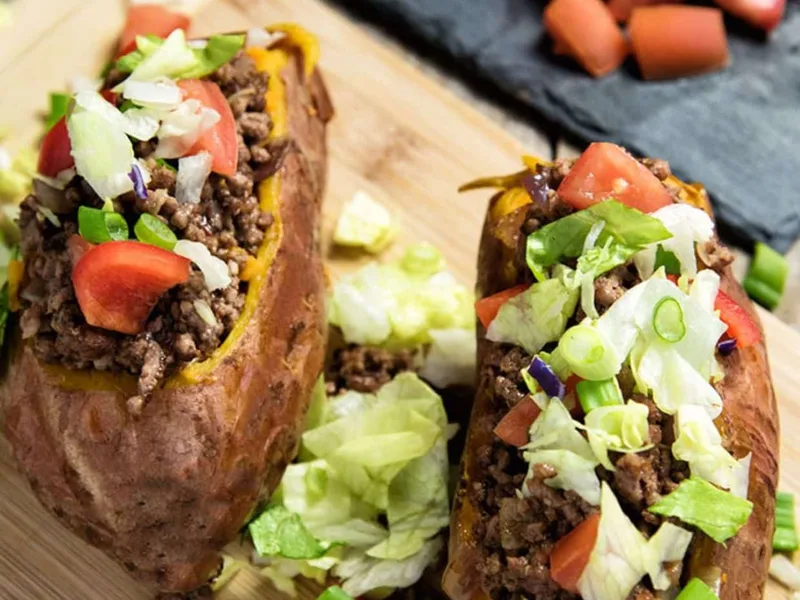
Taco-Stuffed Sweet Potatoes with Seasoned Ground Beef
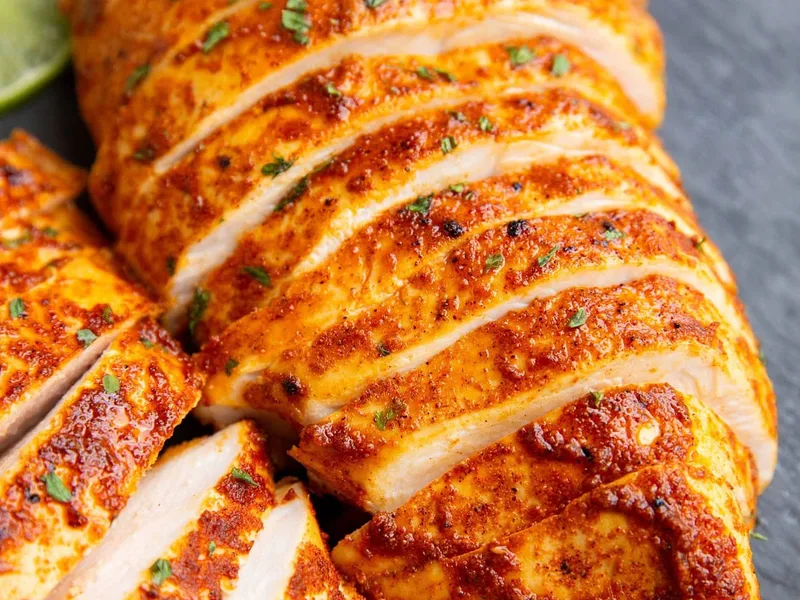
Baked Chili Lime Chicken with Broiled Finish
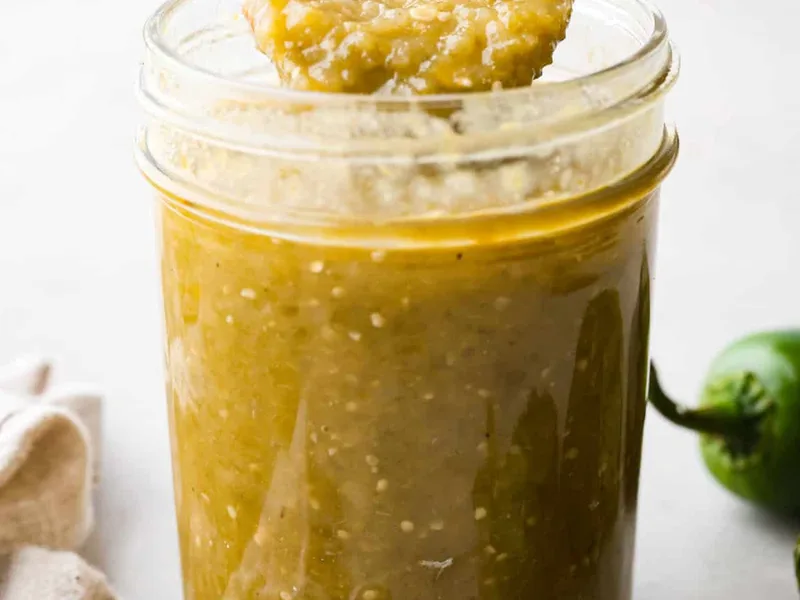
Homemade Green Enchilada Sauce with Tomatillos and Roasted Chiles
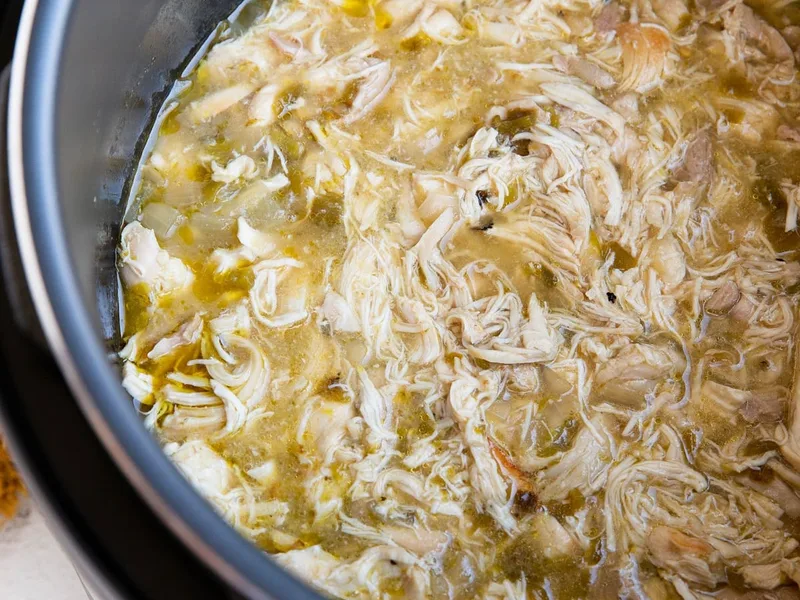
Instant Pot Chile Verde Shredded Chicken
Mexican food is about balance. Acid cuts fat. Heat meets cooling dairy. Every dish plays with these contrasts.
The foundation starts simple. Dried chiles get toasted in a dry pan until they smell like raisins and smoke. You'll use 3 to 5 types in one sauce. Ancho brings sweetness. Guajillo adds fruity heat. Chipotle gives smoke. Toast them 30 seconds per side at medium heat, then soak in hot water for 20 minutes.
Corn shows up everywhere. Fresh corn kernels in salsa. Masa harina for tortillas and tamales. Hominy in pozole.
Most Mexican cooking happens between 325F and 375F. Low and slow builds flavor. Meat braises for 2 to 3 hours until it shreds with a fork. Beans simmer for 90 minutes with onion and garlic.
Lime juice appears in 80% of dishes. Not lemon. Always lime. You'll squeeze it over tacos, into salsas, over grilled corn. Buy 2 pounds when you shop. You'll use them.
Texture matters as much as flavor. Crispy tostadas under soft refried beans. Crunchy raw onion on tender carnitas. Fresh cilantro on everything.
This isn't the heavy, cheese-covered food from chain restaurants. Real Mexican cooking uses cheese sparingly. A sprinkle of cotija on elote. Some Oaxaca cheese in quesadillas. The focus stays on chiles, herbs, and slow-cooked meat.
Beginner cooks do fine here. Start with salsa verde. Roast 1.5 pounds tomatillos and 2 jalapeños at 425F for 15 minutes. Blend with half an onion, 3 garlic cloves, and a handful of cilantro. Add salt. You just made restaurant-quality salsa.
The spice level adjusts easily. Remove seeds and membranes from chiles to cut heat by 70%. Keep them for fire. Dairy calms burns better than water. Have sour cream ready.
Mexican recipes feed crowds well. Most dishes scale up without fuss. Double the meat for tacos. Triple the salsa. The ratios stay constant.
Good Mexican food takes time but not skill. Let the oven and slow cooker do the work while flavors develop.
Essential Ingredients
Key Techniques
FAQ
What's the difference between Mexican and Tex-Mex food?
Mexican food uses less cheese and more varied chiles. A typical Mexican taco has meat, onion, cilantro, and salsa on a soft corn tortilla. Tex-Mex adds yellow cheese, lettuce, tomatoes, and flour tortillas. Mexican enchiladas get topped with crema and a sprinkle of cheese. Tex-Mex versions drown in melted cheddar. Mexican rice cooks with tomatoes. Tex-Mex rice is often yellow from spices. Both are good, just different. Tex-Mex developed in the 1940s when Mexican immigrants adapted recipes to American ingredients.
How do I reduce the heat in Mexican dishes?
Remove seeds and white membranes from chiles to cut heat by 70%. Use poblanos instead of jalapeños for mild flavor. Add dairy like sour cream or Mexican crema to finished dishes. For salsas, increase the ratio of tomatoes to chiles. A 4:1 tomato to chile ratio makes mild salsa. Sugar doesn't help with heat. Dairy fat binds to capsaicin better than anything else. Keep whole milk handy when cooking spicy food.
What equipment do I need for Mexican cooking?
A blender makes salsas and chile sauces properly. Get one that handles hot liquids. A comal (flat griddle) or cast iron pan toasts tortillas and chiles. Buy a tortilla press for $20 if you want fresh tortillas. A molcajete (stone mortar) makes better guacamole than any machine but isn't essential. A slow cooker handles carnitas and barbacoa perfectly. Most Mexican cooking uses basic pots and pans you already own.
How do I get restaurant-style flavor at home?
Restaurants use more salt and fat than home cooks. Add 1.5 teaspoons salt per pound of meat. Use lard for refried beans. Toast spices before grinding. Char your vegetables for salsa. Cook low and slow. Carnitas takes 3 hours at 275F. Let flavors rest. Salsa improves after 2 hours. Meat benefits from overnight marination. Buy Mexican oregano and real cotija cheese. These small changes make huge differences.