Russian Recipes
29 recipes

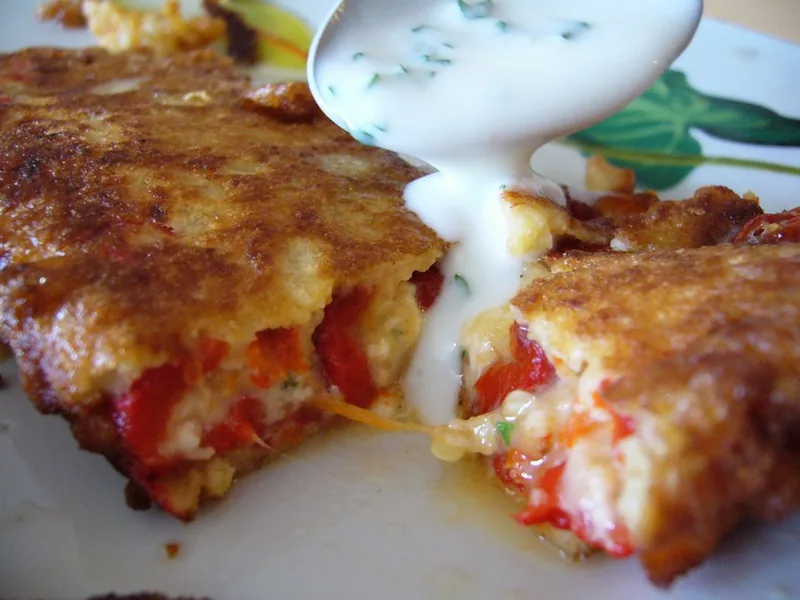
Chicken Zucchini Fritters with Ricotta and Fresh Herbs
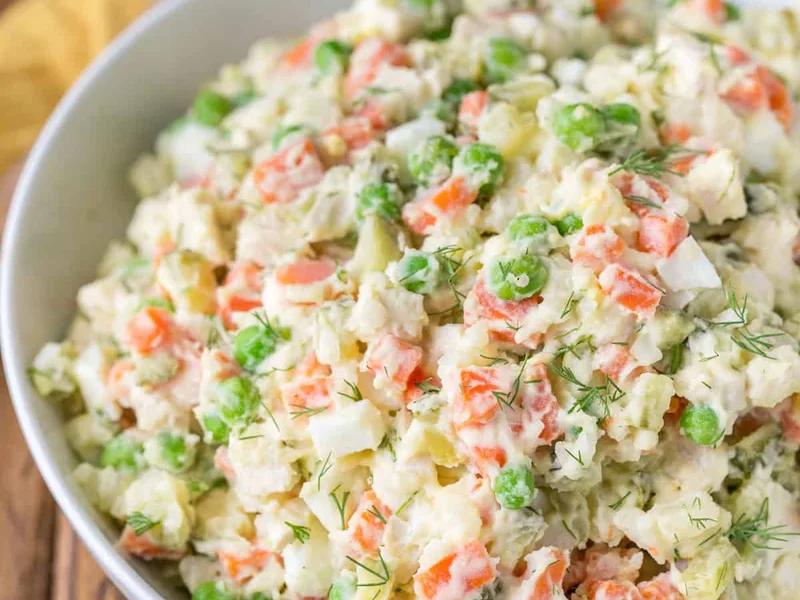
Russian Tuna and Rice Salad with Corn
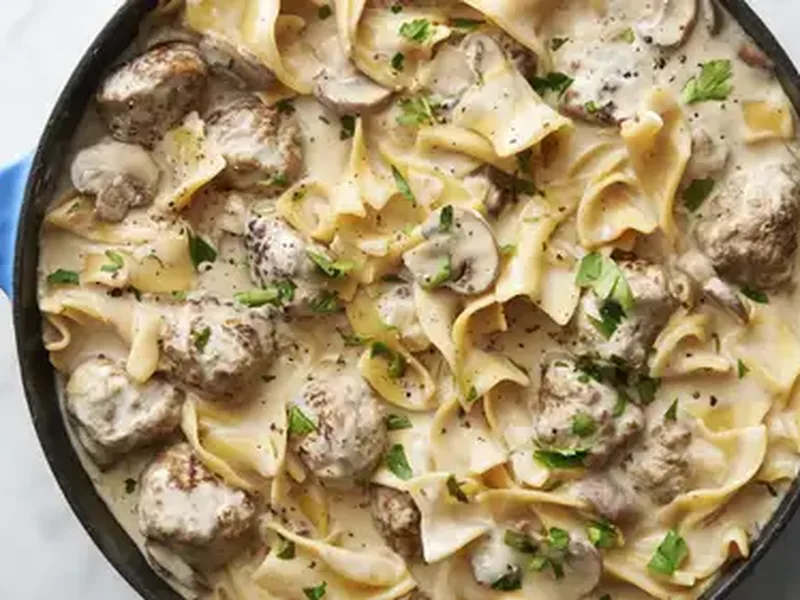
One-Skillet Meatball Stroganoff with Egg Noodles
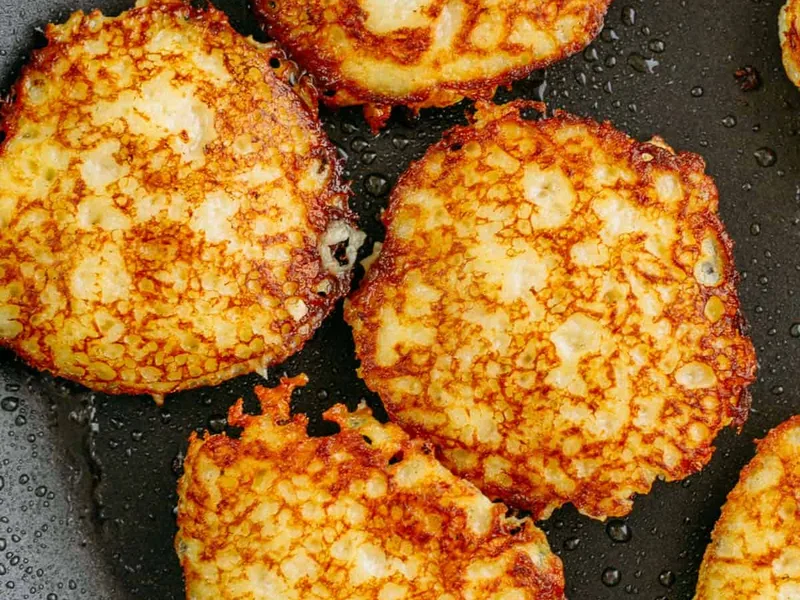
Stuffed Potato Pancakes with Pork - Classic Draniki Recipe
Russian cooking runs on butter, sour cream, and dill. A typical meal starts with zakuski (appetizers) like salted herring or pickled vegetables, moves to borsch or solyanka soup, then hits you with beef stroganoff or chicken kotlety.
Forget what you think you know. Russian food goes way beyond beets and vodka.
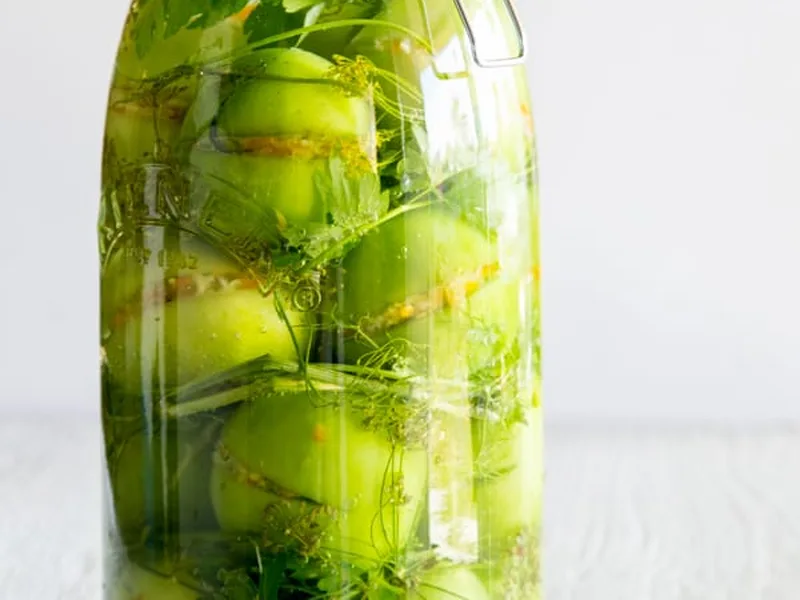
The foundation sits on preserved foods. Russians pickle everything: cucumbers, tomatoes, cabbage, mushrooms. They smoke fish. They cure meats. Winter lasts 6 months in Moscow, so preservation became survival. Today those techniques define the flavor.
Buckwheat dominates where rice rules other cuisines. Sour cream appears in 40% of recipes. Fresh dill gets chopped into salads, soups, main dishes. Russians measure butter in tablespoons, not teaspoons.
Breakfast means syrniki (cottage cheese pancakes) or kasha (porridge). Lunch brings soup, always soup. Dinner features meat or fish with potatoes or buckwheat. Tea follows every meal, served from a samovar with jam stirred directly into the cup.
Baking defines weekends. Russian grandmothers make bird's milk cake with 12 layers. They roll poppy seed buns. They stuff pirozhki with cabbage, meat, or apples. Everything uses yeast dough or thin crepe-like blinchiki.
Modern Russian cooking keeps the old techniques but lightens the portions. Instead of 3 tablespoons of sour cream, try 1. Instead of frying kotlety in 2 cups of oil, use 3 tablespoons. The flavors stay true.
Cooking times run long. Beef stews simmer 2-3 hours. Fermented vegetables need 3-5 days. Even quick dishes like syrniki take 30 minutes start to finish. Plan accordingly.