Russian Recipes
29 recipes

Braised Mediterranean Vegetables on Crusty Bread
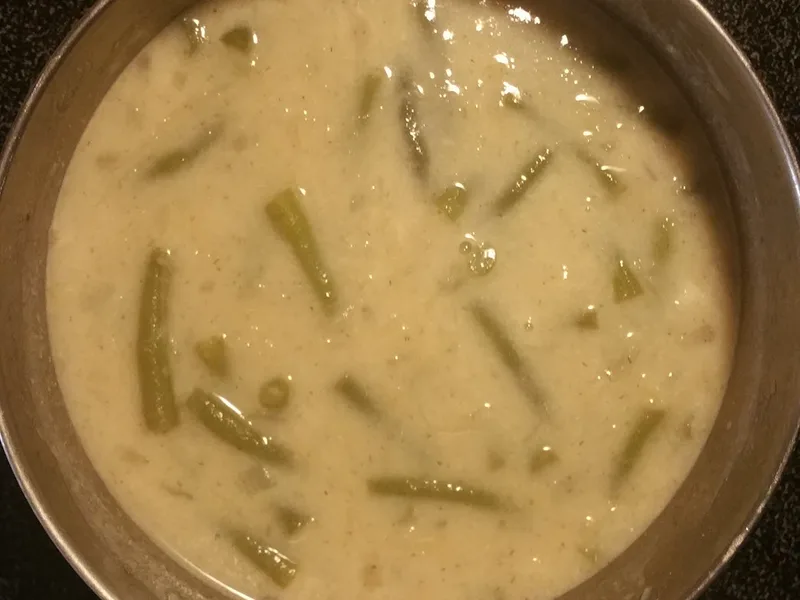
Russian Green Bean and Potato Soup with Sauerkraut
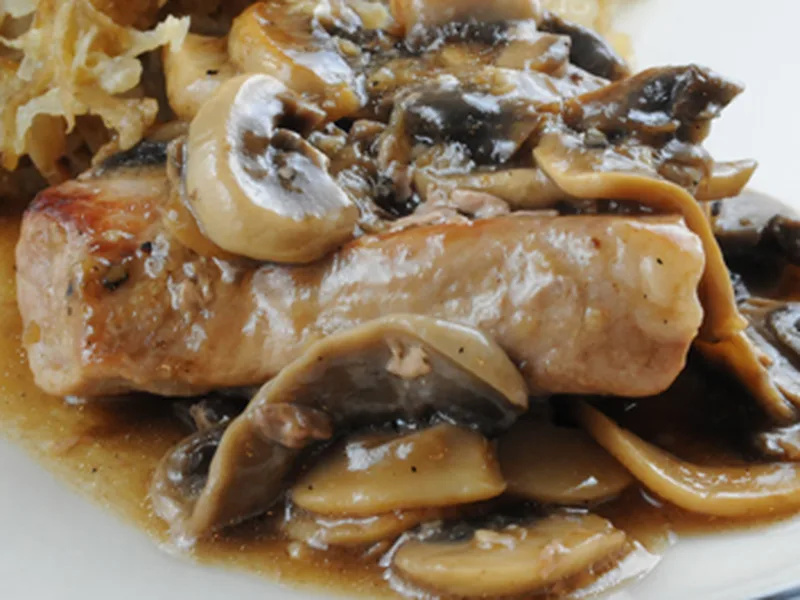
Pan-Seared Pork Chops with Mushroom Sherry Sauce
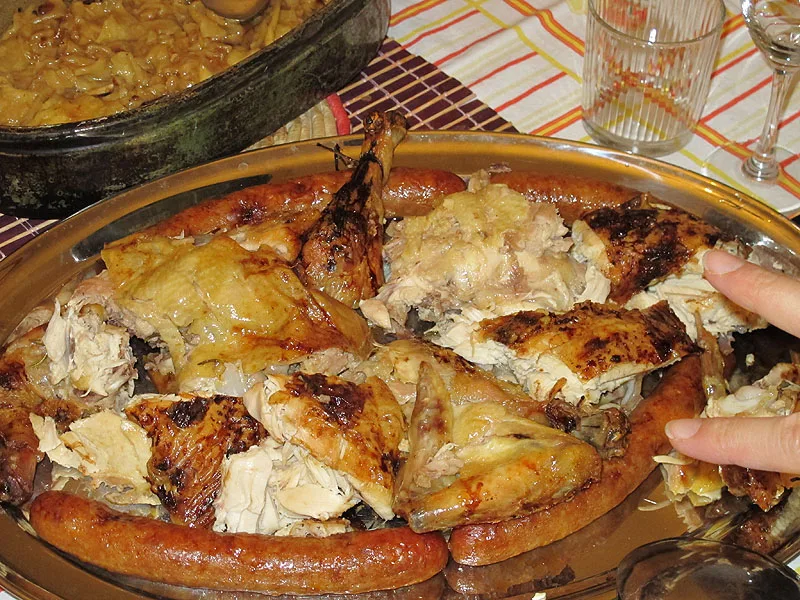
Renaissance Roasted Capon with Citrus and Smoked Meats
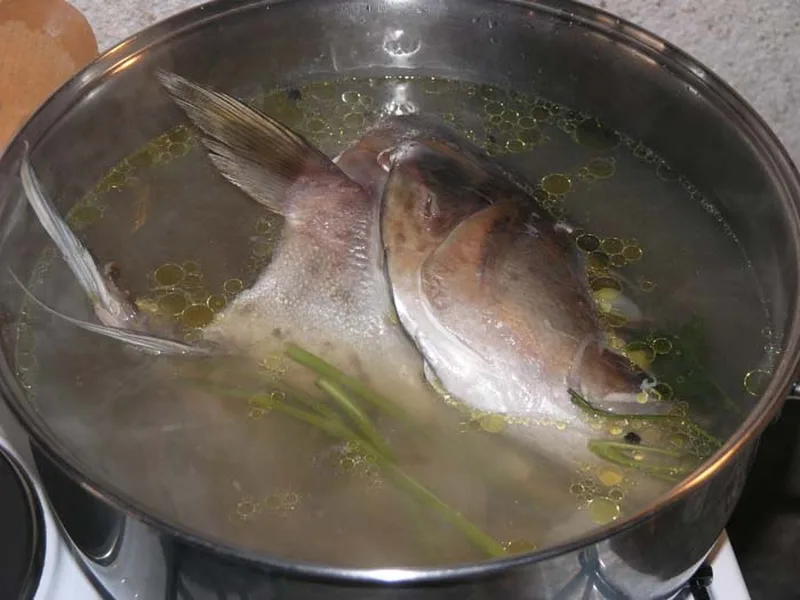
Croatian Boiled White Fish with Broth Soup
Russian cooking runs on butter, sour cream, and dill. A typical meal starts with zakuski (appetizers) like salted herring or pickled vegetables, moves to borsch or solyanka soup, then hits you with beef stroganoff or chicken kotlety.
Forget what you think you know. Russian food goes way beyond beets and vodka.
The foundation sits on preserved foods. Russians pickle everything: cucumbers, tomatoes, cabbage, mushrooms. They smoke fish. They cure meats. Winter lasts 6 months in Moscow, so preservation became survival. Today those techniques define the flavor.
Buckwheat dominates where rice rules other cuisines. Sour cream appears in 40% of recipes. Fresh dill gets chopped into salads, soups, main dishes. Russians measure butter in tablespoons, not teaspoons.
Breakfast means syrniki (cottage cheese pancakes) or kasha (porridge). Lunch brings soup, always soup. Dinner features meat or fish with potatoes or buckwheat. Tea follows every meal, served from a samovar with jam stirred directly into the cup.
Baking defines weekends. Russian grandmothers make bird's milk cake with 12 layers. They roll poppy seed buns. They stuff pirozhki with cabbage, meat, or apples. Everything uses yeast dough or thin crepe-like blinchiki.
Modern Russian cooking keeps the old techniques but lightens the portions. Instead of 3 tablespoons of sour cream, try 1. Instead of frying kotlety in 2 cups of oil, use 3 tablespoons. The flavors stay true.
Cooking times run long. Beef stews simmer 2-3 hours. Fermented vegetables need 3-5 days. Even quick dishes like syrniki take 30 minutes start to finish. Plan accordingly.
Essential Ingredients
Key Techniques
FAQ
Why does my borscht taste flat?
Add 2 tablespoons vinegar or lemon juice at the end. Borscht needs acid to balance the sweet beets. Also check your beet-to-cabbage ratio. Use 3 medium beets to 1/2 small cabbage head. Simmer the full 45 minutes to develop depth.
What's the difference between Russian and American sour cream?
Russian smetana contains 20-40% fat versus American's 18%. The higher fat prevents curdling in hot soups. It tastes tangier too. Substitute Greek yogurt mixed with 1 tablespoon heavy cream per 1/2 cup for closer flavor.
How do I stop my syrniki from falling apart?
Drain cottage cheese overnight to remove moisture. Use 1 egg per pound of cheese, no more. Add 3-4 tablespoons flour gradually until mixture just holds together. Chill formed patties 30 minutes before frying. Cook at medium heat, 3-4 minutes per side.
Can I make Russian recipes less heavy?
Cut mayo and sour cream by 50% in layered salads. Replace half the oil in frying with oven-baking at 425F. Use 2% milk instead of whole. Keep the dill, pickles, and fermented flavors. Those define the cuisine more than fat content.