Spanish Recipes
53 recipes
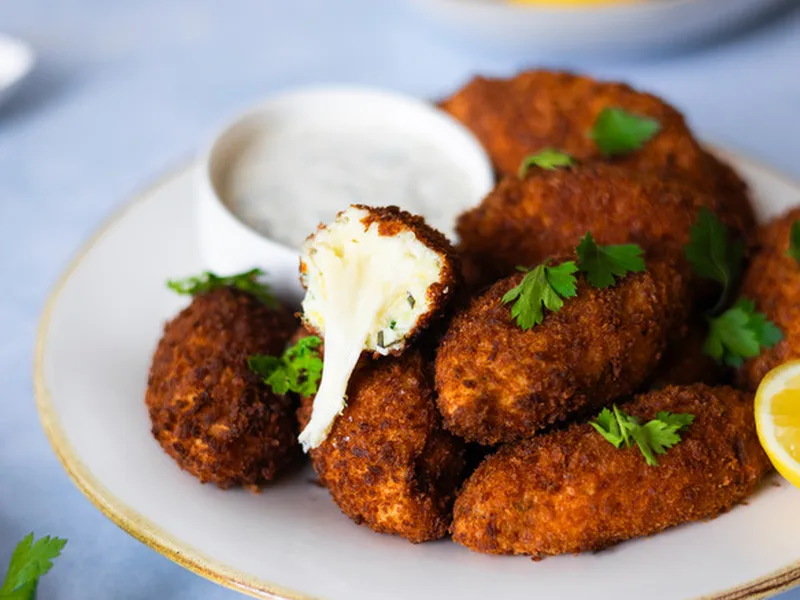
Herb Cheese Croquettes with Lemon Caper Mayo
Tapas-Style Sauteed Mushrooms with Marsala Wine and Herbs
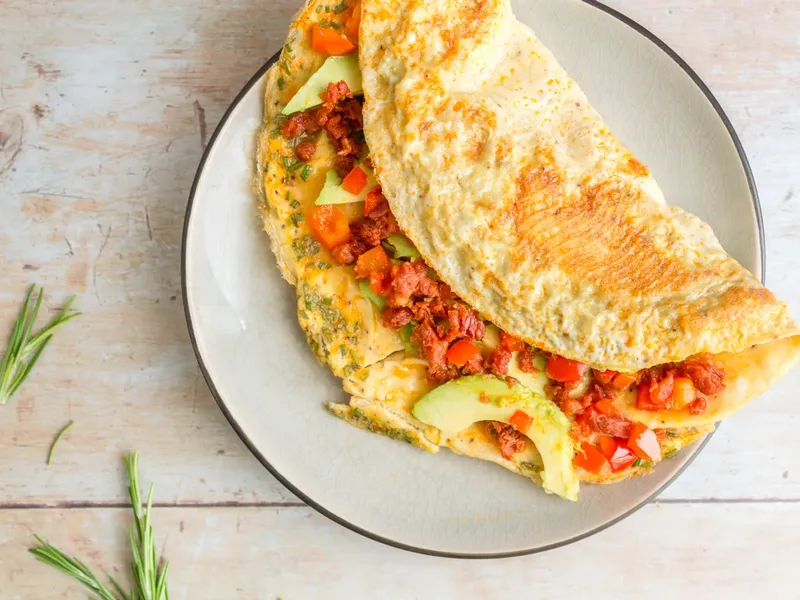
Keto Chorizo Bell Pepper Omelet with Fresh Rosemary
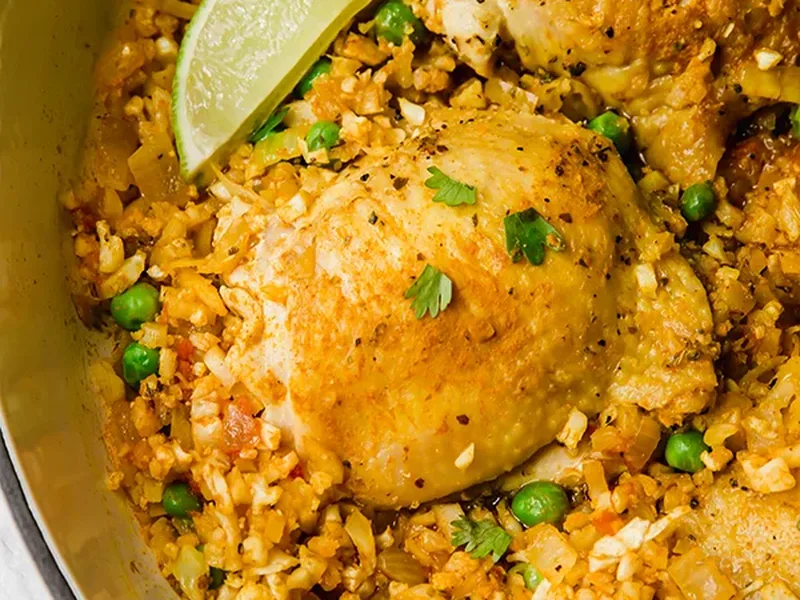
Cauliflower Arroz Con Pollo with Turmeric and Chicken Thighs
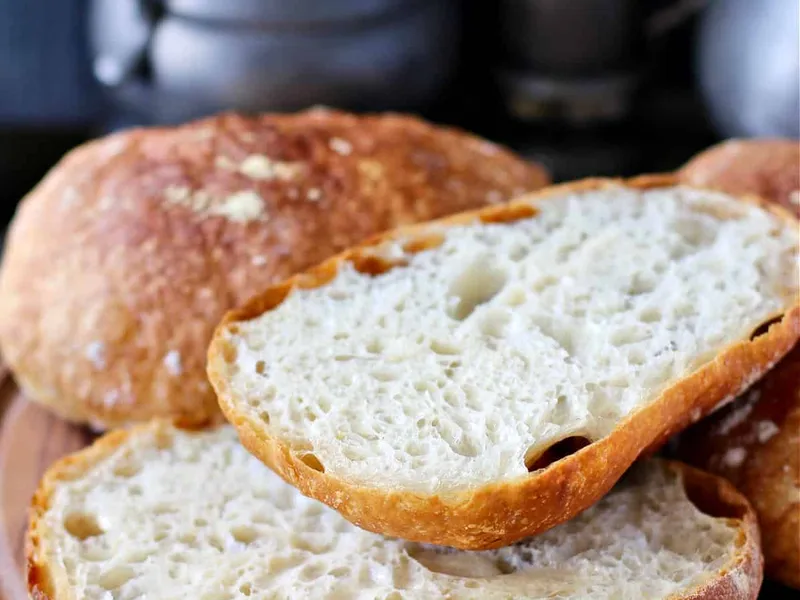
Pan de Cristal: Crispy Glass Bread with Open Crumb
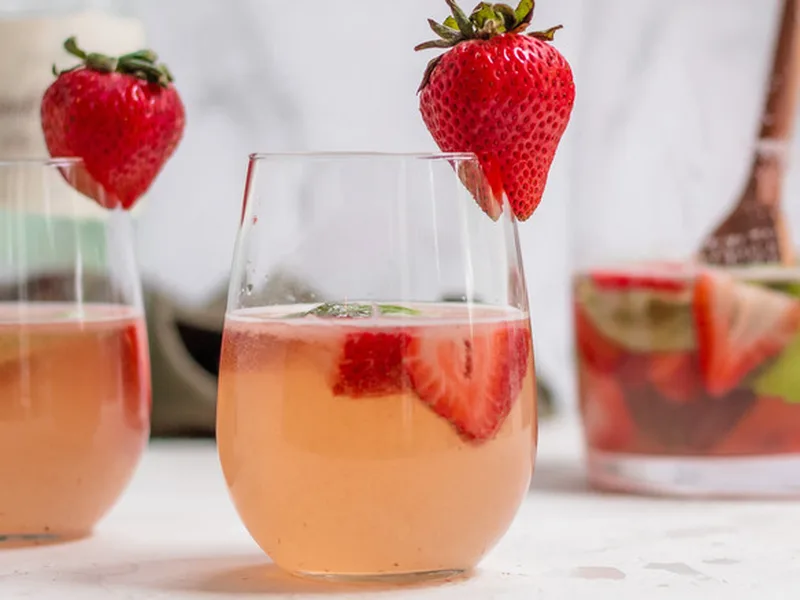
Basil Strawberry Sangria with Sparkling Wine
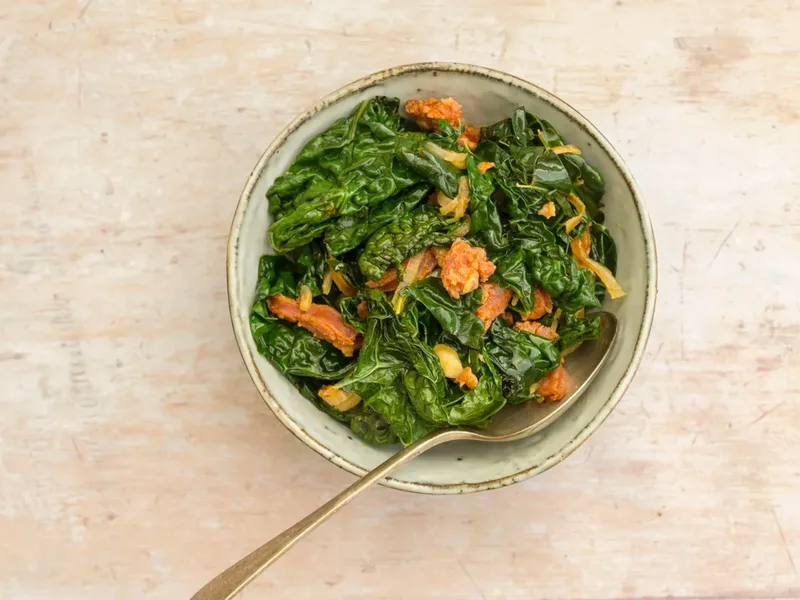
Low Carb Sauteed Kale and Chorizo Skillet
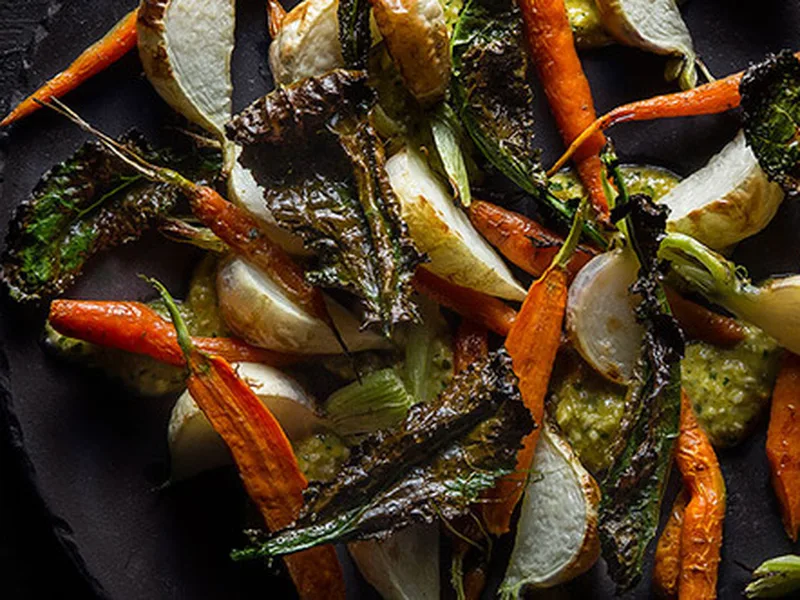
Shishito and Macadamia Romesco with Roasted Vegetables
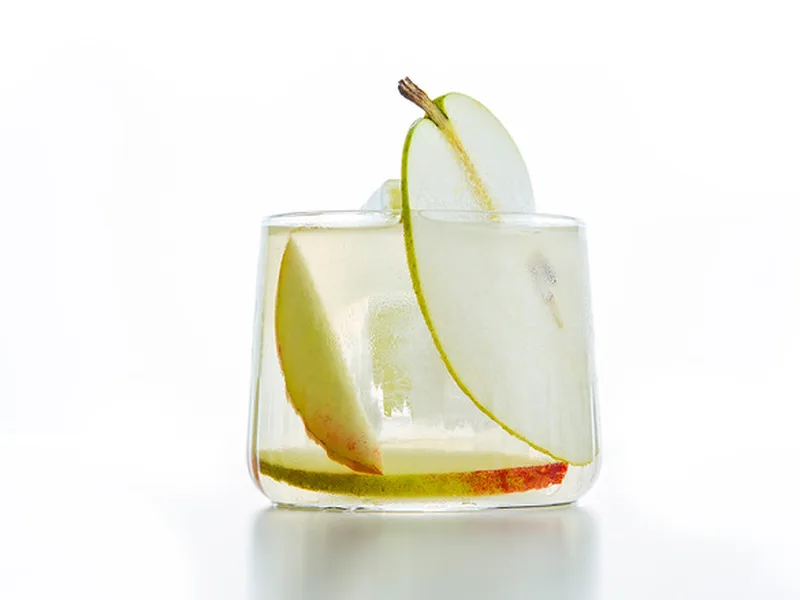
Basque Bellini Sangria with Txakolina
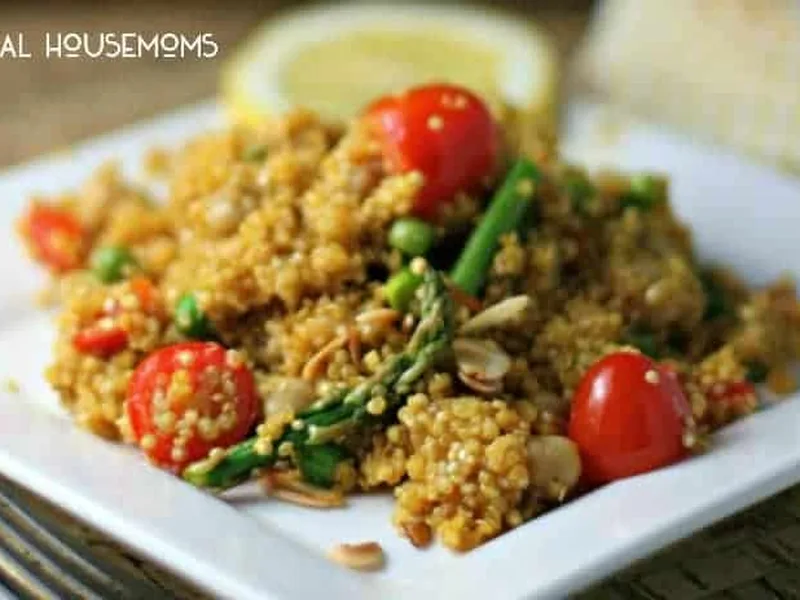
Spring Vegetable Quinoa Paella with Saffron and Smoked Paprika
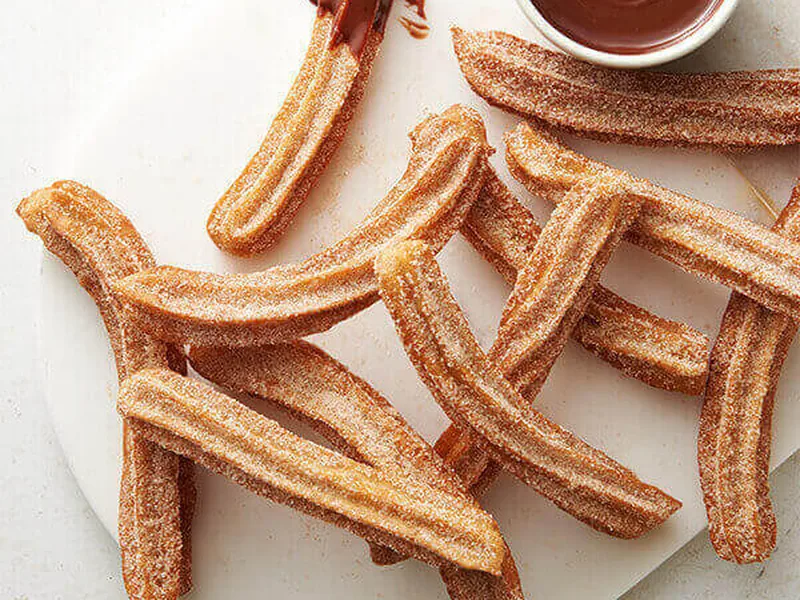
Homemade Churros with Chocolate Dipping Sauce
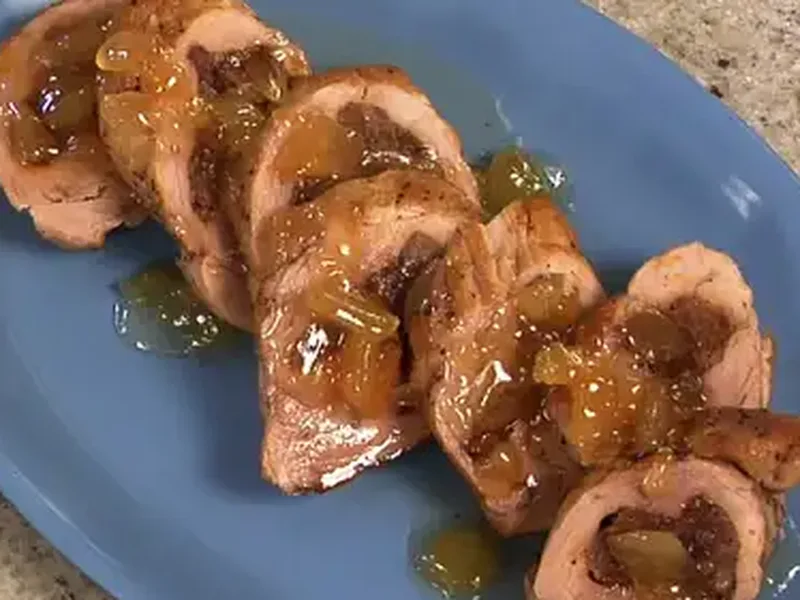
Chorizo-Stuffed Pork Tenderloin with Ginger Lime Marmalade
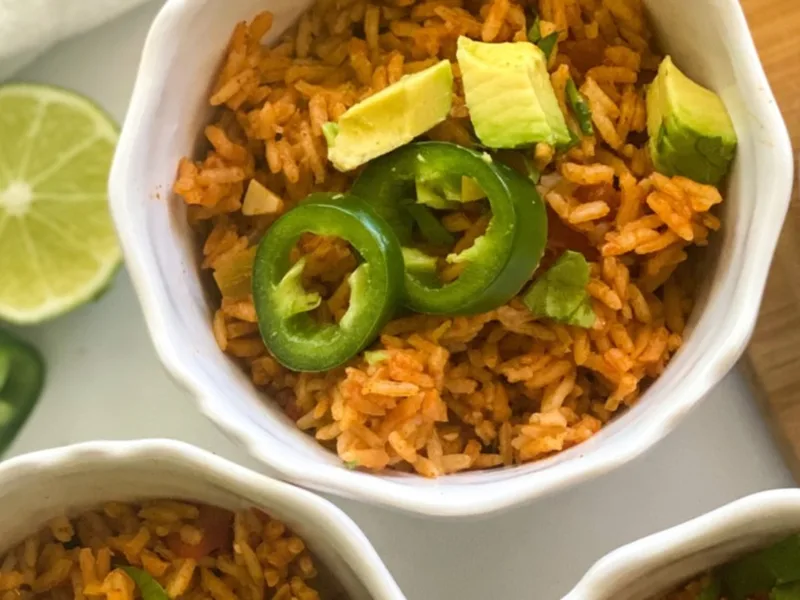
Instant Pot Spanish Rice with Cumin and Smoked Paprika
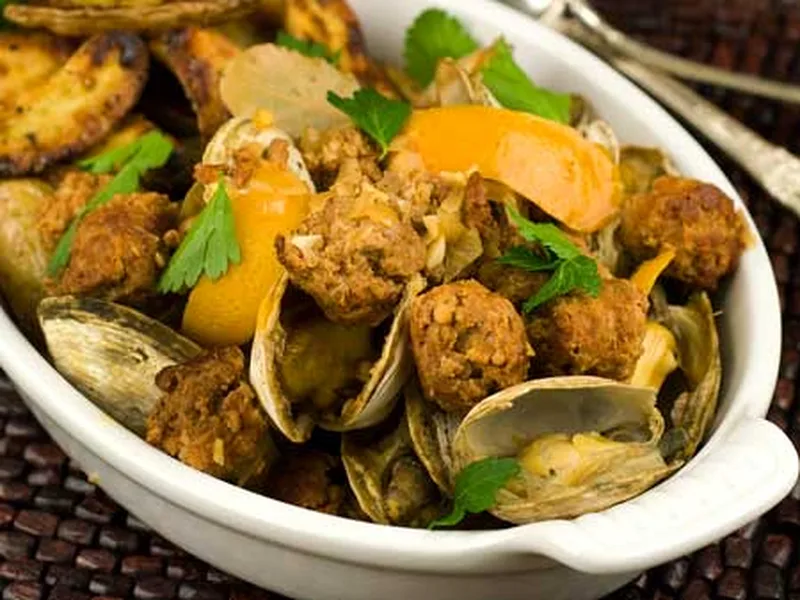
Gluten-Free Clams and Chorizo with Orange and White Wine
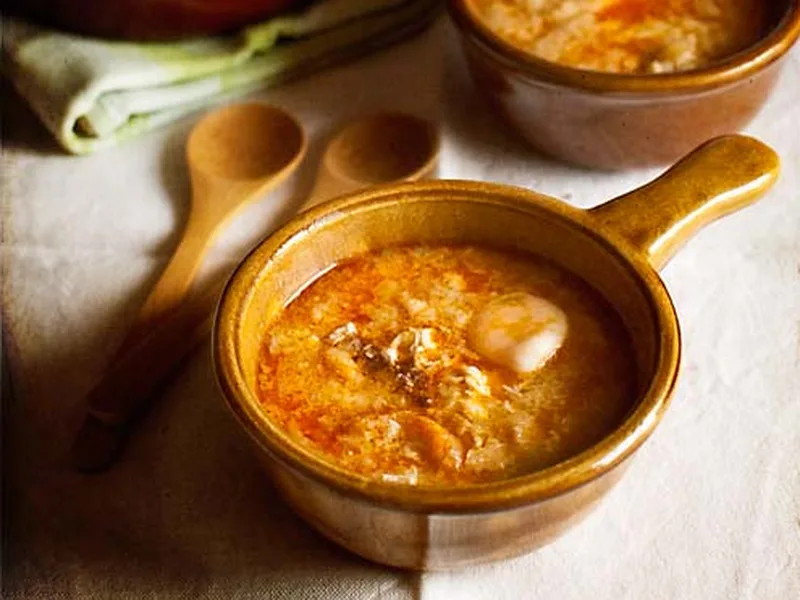
Spanish Garlic Soup Shots with Chorizo and Quail Eggs
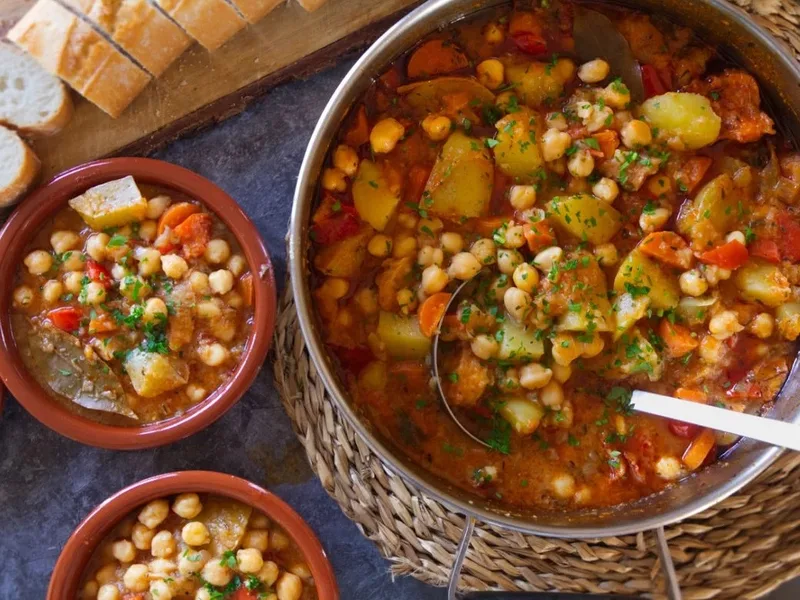
Spanish Chickpea and Potato Stew with Smoked Paprika
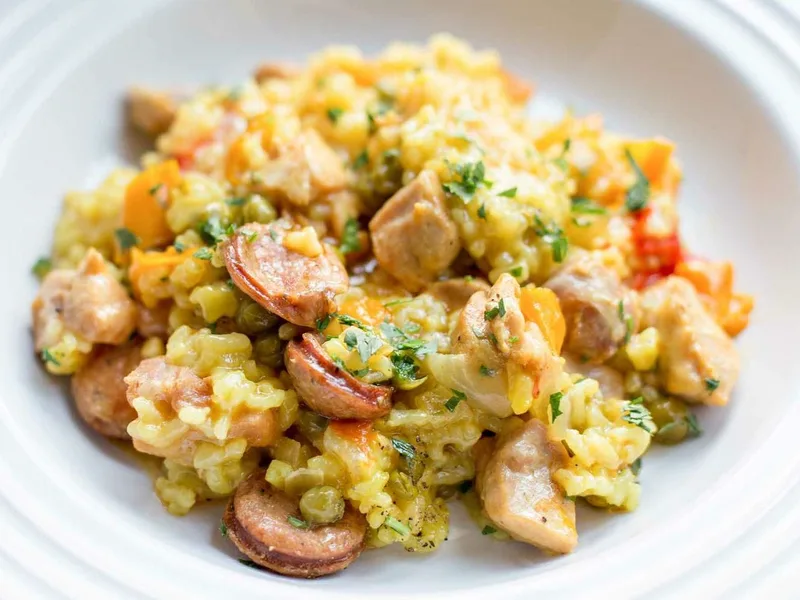
Instant Pot Seafood Paella with Saffron and Smoked Paprika
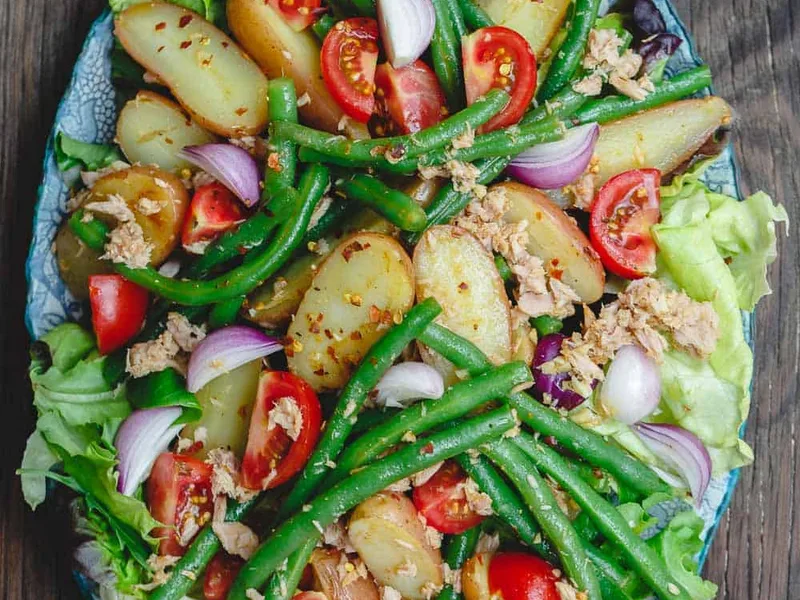
Mediterranean Potato Salad with Tuna and Green Beans
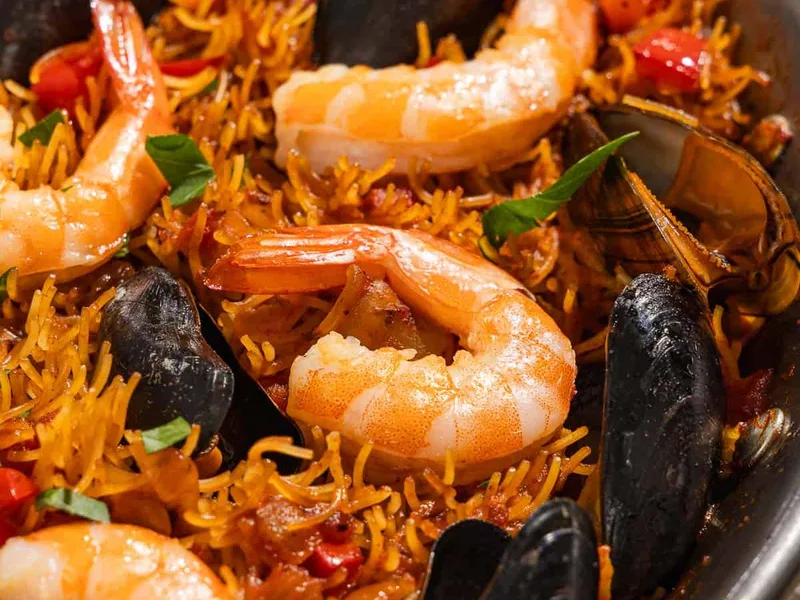
Catalan Fideuà with Shrimp, Mussels and Squid
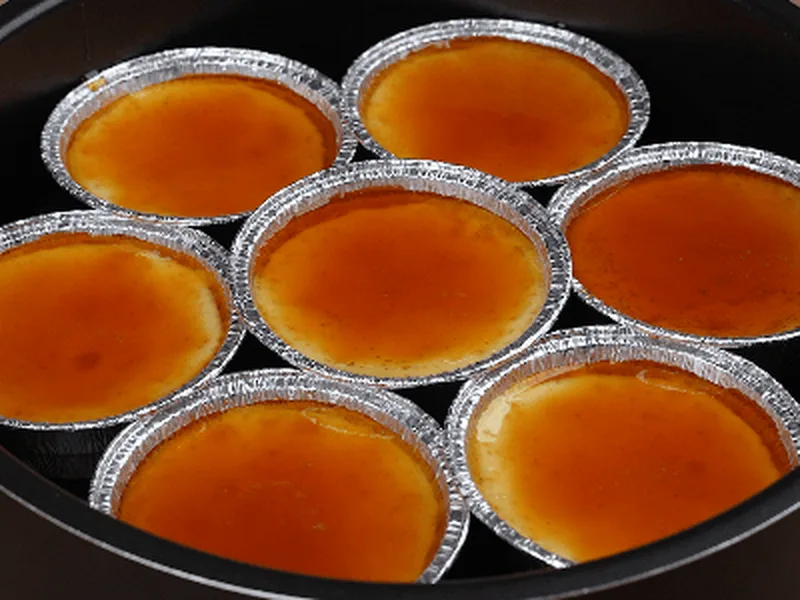
Mini Flan in Cups with Homemade Caramel
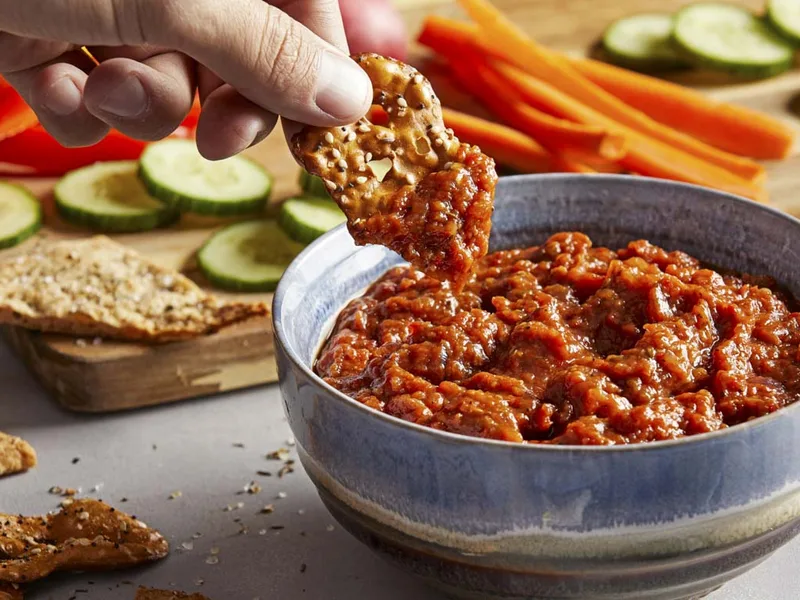
Spanish Roasted Vegetable Dip with Smoked Paprika
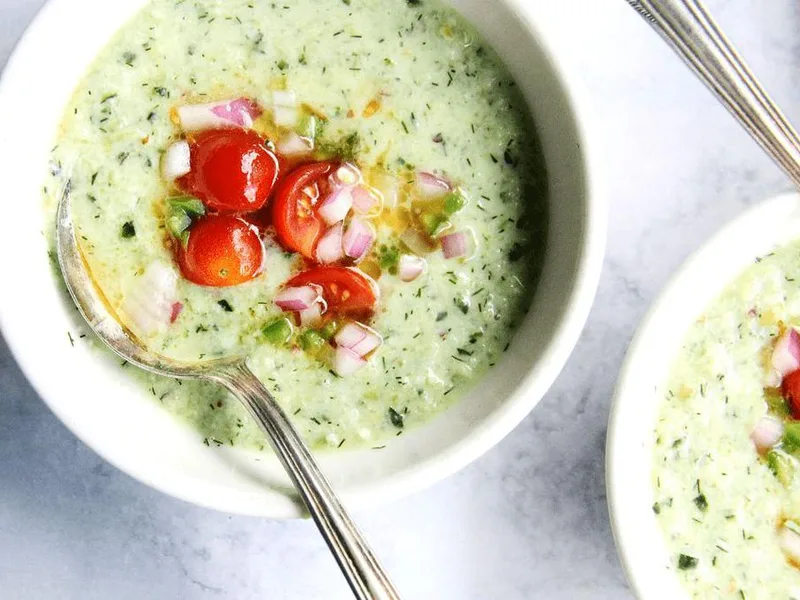
Chilled Cucumber Grape Gazpacho with Tomato Salsa
Saffron Tomato Risotto with Seared Shrimp
Roasted Red Pepper and Tomato Soup with Smoked Paprika
Spanish cooking runs on olive oil. Not just any oil. Extra virgin, first cold press, the kind that tastes like grass and pepper. Every dish starts with a glug in the pan.
Forget what you think you know about Spanish food. It's not all paella and tapas. Home cooks in Spain make tortilla española for dinner three nights a week. They braise chicken with 40 cloves of garlic. They fold eggs into everything.
The foundation is simple. Olive oil, garlic, onion, smoked paprika. These four ingredients appear in 80% of Spanish recipes. Add sherry vinegar and you're halfway to any Spanish sauce. The cooking happens in layers. First the sofrito: onions and garlic cooked slow in olive oil until they melt into jam. Then the protein. Then the liquid. Then you wait.
Spanish cooks measure olive oil by the chorro, the stream. A 3-second pour equals about 3 tablespoons. They use more than you think they should. A tortilla for 4 people needs 1/2 cup minimum. Gazpacho? Start with 3/4 cup for 6 servings.
Timing matters more than technique. Paella cooks for exactly 18-20 minutes once the stock goes in. Tortilla flips after 4 minutes on medium heat. Croquetas fry at 350F for 2-3 minutes until golden.
This is everyday food. The kind Spanish families eat at 10pm after the kids finish homework. Quick braises that bubble away while you set the table. Cold soups you blend in 5 minutes. Egg dishes that work for breakfast, lunch, or dinner.
Desserts lean on eggs and dairy. Flan uses 4 whole eggs plus 4 yolks per quart of milk. Crema catalana sets with 8 egg yolks per liter. Even the simplest cookies need at least 2 eggs per batch.
Start here if you like bold flavors that don't require special equipment. A good pan, sharp knife, and wooden spoon will carry you through 90% of Spanish cooking. The hardest part is waiting for the sofrito to properly caramelize.
Essential Ingredients
Key Techniques
FAQ
How much olive oil do Spanish recipes really use?
More than seems reasonable. A proper tortilla española for 4 needs 1/2 cup minimum. Gazpacho uses 3/4 cup per 6 servings. Pan con tomate soaks each bread slice with 1 tablespoon. Spanish cooks pour a 3-second stream (about 3 tablespoons) to start any sauté. Buy olive oil by the liter, not the bottle.
What can I substitute for Spanish ingredients?
Regular paprika lacks the smoke but works in a pinch, use 25% more. Italian prosciutto replaces jamón serrano gram for gram. Arborio rice substitutes for bomba but needs 20% less liquid and gentler heat. Red wine vinegar plus a pinch of sugar mimics sherry vinegar. For piquillo peppers, roast 2 red bells at 450F for 30 minutes and peel.
Why won't my paella get crispy on the bottom?
Three fixes: Your heat is too low (final 2 minutes need high heat), you're stirring (never stir after adding stock), or you added too much liquid (use exactly 3 cups stock per cup of rice). The socarrat forms when the pan runs dry. You should hear crackling and smell toasted rice. Rotate the pan every 30 seconds during the final blast.
What's the right pan for Spanish cooking?
A 12-inch cast iron or carbon steel pan handles 80% of Spanish recipes. Paella technically needs a wide, shallow paellera (15 inches serves 4-6), but any pan works if you adjust the liquid. Non-stick ruins the fond needed for proper Spanish sauces. Whatever pan you use, preheat 2 minutes before adding that first glug of oil.