Western Recipes
3 recipes
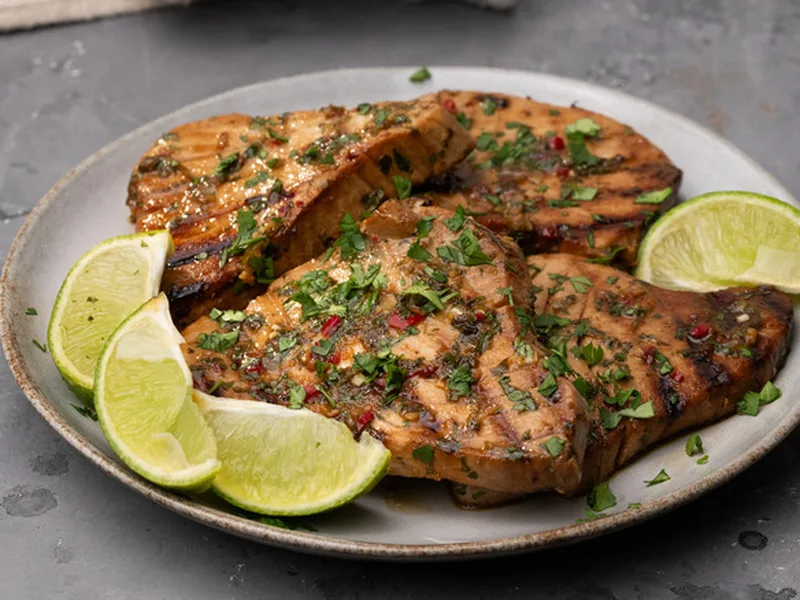
Chili Lime Tuna Steaks with Lemongrass Marinade
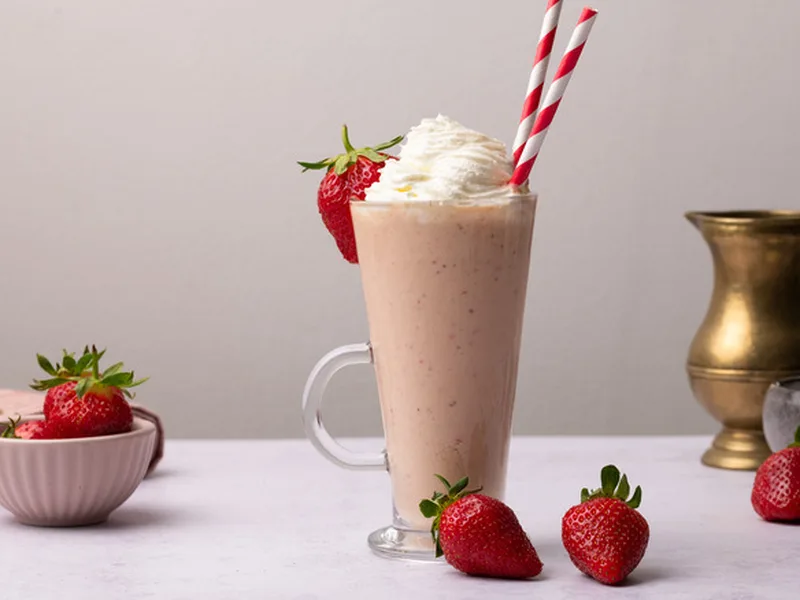
Strawberry Baileys Vodka Cocktail with Ice Cream
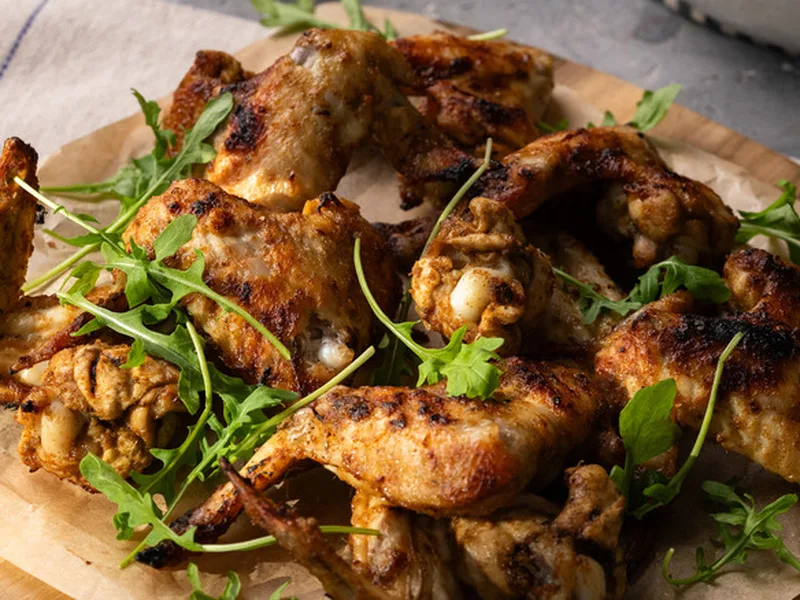
Broiled Spicy Cumin Chicken Wings
Western cooking spans from British roasts to American barbecue, from French pastries to Italian pasta. What ties it together? Butter, cream, cheese, and wheat.
This is comfort food territory. Think pot roasts braising for 3 hours at 325F. Mac and cheese with a pound of sharp cheddar. Chocolate chip cookies baking at 375F for exactly 12 minutes.
Flavor comes from fat and salt. Steaks get seared at 450F to build crust. Onions caramelize in butter over medium heat for 20 minutes. Garlic hits hot oil for 30 seconds before deglazing with wine.
Baking dominates Western kitchens. Cakes rise with 2 teaspoons of baking powder per cup of flour. Bread needs 1 tablespoon of yeast for every 3 cups. Cookies spread less when chilled for 30 minutes before baking.
Breakfast means eggs. Scrambled low and slow at 250F. Fried sunny-side up in butter. Baked in quiche at 350F until the center barely jiggles.
Western cooking rewards patience. Stews simmer for hours. Dough rises twice. Meat rests 10 minutes after cooking. The payoff? Tender beef that falls apart, bread with actual flavor, juicy chicken that hits 165F internal temp.
You need basic equipment. A 12-inch skillet handles 90% of stovetop cooking. One 9x13 pan bakes casseroles and brownies. A probe thermometer prevents guessing.
This food feeds crowds. Double any casserole recipe and freeze half. Triple cookie dough and refrigerate portions. Western cooking scales up naturally because it relies on straightforward ratios and forgiving techniques.
Essential Ingredients
Key Techniques
FAQ
What oven temperature do most Western recipes use?
350F covers 70% of baking. Cookies bake at 350-375F for 8-12 minutes. Casseroles need 350F for 30-45 minutes. Roasted vegetables want 425F for caramelization. Only pizza and bread push past 450F. Get an oven thermometer because most ovens run 25 degrees off. Convection runs 25F hotter than conventional settings.
How much salt should I use when cooking Western food?
Start with 1 teaspoon kosher salt per pound of meat or pasta water. Bread needs 2 teaspoons per loaf. Cookies want 1/2 teaspoon per dozen. Taste and adjust. Diamond Crystal kosher salt measures about half as salty as table salt by volume. Under-salted food tastes flat. You can always add more at the table.
What size baking pans do I need for Western recipes?
Three pans handle everything: 9x13 inch for casseroles and sheet cakes, 8x8 inch for brownies and smaller batches, plus a rimmed half-sheet pan (18x13 inches) for cookies and roasting. Metal pans cook faster than glass by about 25F. Dark pans brown bottoms more. Measure pans across the inside top edge.
How long does Western food keep in the refrigerator?
Cooked meat and casseroles last 3-4 days refrigerated. Soups and stews keep 5 days. Baked goods stay fresh 2-3 days at room temperature in airtight containers, or freeze up to 3 months. Label everything with dates. When in doubt, smell it. Off odors mean toss it. Refrigerate within 2 hours of cooking.