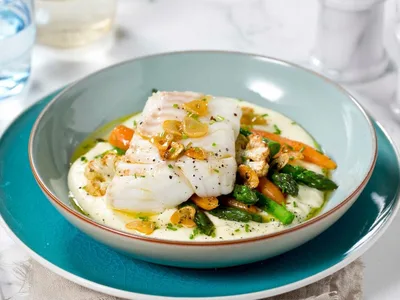
How to Baste
Basting means spooning hot fat or liquid over meat during cooking. The process keeps surfaces moist while building layers of flavor through repeated coating and evaporation.
Why it matters
Basting creates a glossy exterior crust while preventing meat from drying out during long cooking times. The technique builds concentrated flavor as liquids reduce on the meat's surface. Each baste adds another layer of caramelization. Without basting, roasts develop tough, dry patches where heat hits directly.
What you need
Steps
Heat your oven to cooking temperature, typically 325F to 425F depending on the meat. Place meat in roasting pan. Let fat render for 15 to 20 minutes until you see clear liquid pooling in the pan bottom.
Open oven door quickly. Pull rack out halfway. Tilt pan slightly toward you, watching liquid collect in the corner. The fat should shimmer and move freely, not thick like syrup.
Dip spoon into pooled liquid, filling it 2/3 full. Work fast. Drizzle liquid over the meat's top surface in long strokes, starting at one end and moving to the other.
Focus on dry-looking areas where meat appears matte rather than shiny. Listen for gentle sizzling as liquid hits hot meat. Skip areas already glossy with fat.
Push rack back. Close oven door. Set timer for 20 to 30 minutes. Repeat basting at each interval until meat reaches target internal temperature.
Stop basting 15 minutes before cooking ends. This final dry period lets the surface crisp. You'll hear crackling sounds as moisture evaporates and skin tightens.
Common Mistakes
Basting every 10 minutes
What happens: Oven loses too much heat, adding 30-45 minutes to cook time
Fix: Limit basting to 20-30 minute intervals
Using cold liquid from a separate bowl
What happens: Temperature shock toughens meat surface and slows cooking
Fix: Only use hot fat from the roasting pan
Pouring liquid instead of spooning
What happens: Washes away developing crust and seasonings
Fix: Apply liquid gently with spoon or brush
Basting until the very end
What happens: Surface stays wet and won't crisp
Fix: Stop basting 15 minutes before target time
Troubleshooting
No liquid in pan after 30 minutes
Then: Add 1/2 cup warm broth or water to pan bottom, wait 10 minutes for it to mix with rendered fat
Meat browns too fast on top
Then: Cover loosely with foil between bastings, remove foil for final 20 minutes
Related Techniques
FAQ
Can I baste with marinade?
Never baste with used marinade that touched raw meat. Bacteria needs 165F to die. Reserve some marinade before adding meat, or boil used marinade for 5 minutes first. Most marinades contain sugar that burns above 350F, so switch to pan drippings for the last 30 minutes of cooking.
What's better, a spoon or bulb baster?
Spoons give better control for 2-3 ounce amounts. Bulb basters hold 4 ounces but drip everywhere. Metal spoons won't melt at 450F oven temperatures. Bulb tips can melt if they touch oven walls. Professional cooks use spoons 90% of the time.
Should I baste a turkey breast?
Baste turkey breast every 30 minutes until it hits 155F internal temperature. White meat dries faster than dark meat. Each baste adds moisture to the surface while fat renders underneath. Stop basting at 155F and let carry-over heat bring it to safe 165F while skin crisps.
How much does basting increase cooking time?
Each oven opening drops temperature 25-50F. Recovery takes 5-10 minutes. Basting 6 times adds 30-60 minutes total cook time. Factor this into planning. A 4-pound chicken needs 90 minutes without basting but 120 minutes with basting every 20 minutes.
Recipes Using This Technique
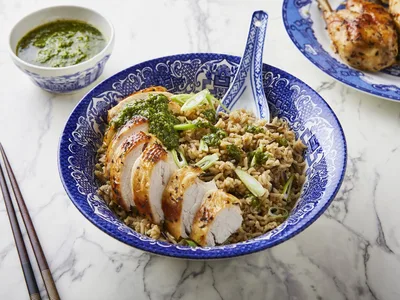
Garlic White Pepper Roast Chicken with Green Sauce
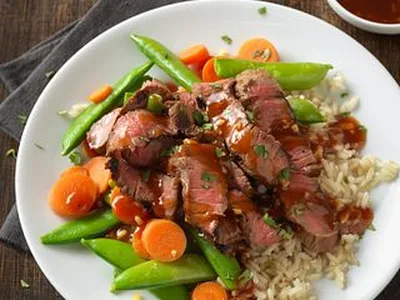
Grilled Top Round Steak with Plum Ginger Sauce
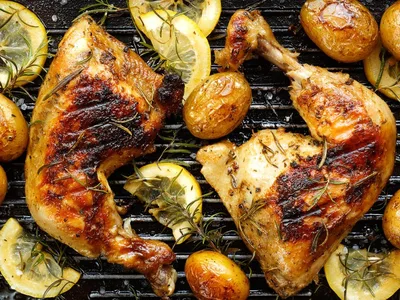
Honey-Glazed Grilled Chicken Leg Quarters
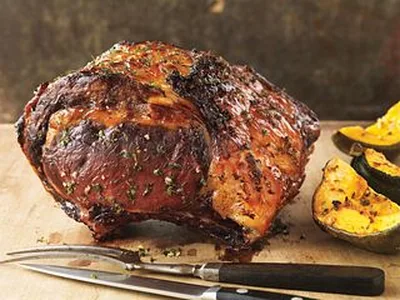
Maple-Glazed Bone-In Rib Roast with Roasted Acorn Squash
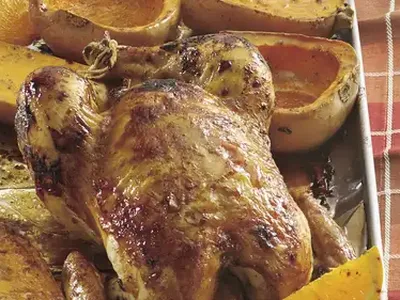
Teriyaki Orange Glazed Roast Chicken with Butternut Squash