How to Reduce a Sauce
Reducing a sauce means simmering it uncovered to evaporate water and concentrate flavors. You cook off 25% to 75% of the liquid volume until the sauce coats a spoon.
Why it matters
Reduction intensifies every flavor in your sauce without adding new ingredients. A watery tomato sauce becomes thick and coats pasta after reducing by half. Wine loses its alcohol bite and develops deeper fruit notes. Stock turns into glossy demi-glace that makes restaurant-quality pan sauces.
What you need
Steps
Pour your sauce into a wide skillet, filling it no more than 2 inches deep. Wide pans speed evaporation. A 12-inch skillet reduces 2 cups of sauce in 15 minutes versus 45 minutes in a narrow pot.
Heat the sauce to 185F to 205F. Look for lazy bubbles breaking every 2-3 seconds around the edges. Steam should rise steadily but the surface shouldn't violently bubble.
Mark the starting liquid level on your wooden spoon with a rubber band or piece of tape. This shows your progress without measuring cups.
Stir every 3-5 minutes, scraping the bottom to prevent sticking. Brown bits on the pan bottom add flavor but black bits taste bitter. The sauce will start splashing more as it thickens.
Test thickness by dipping your spoon and running a finger across the back. A properly reduced sauce leaves a clear trail that doesn't immediately fill in. This happens around 50% reduction for most sauces.
Remove from heat when the sauce reaches your target consistency. It thickens slightly as it cools. A sauce that seems perfect on the stove often becomes too thick on the plate.
Common Mistakes
Using high heat to speed up reduction
What happens: Burns the edges while the center stays watery, creating bitter flavors
Fix: Keep heat at medium-low for even evaporation
Reducing in a tall, narrow pot
What happens: Takes 3-4 times longer because less surface area contacts air
Fix: Use your widest pan, even if it seems too big
Not stirring frequently enough
What happens: Sauce scorches on the bottom, ruining the entire batch
Fix: Set a timer for 3-minute intervals until you build the habit
Over-reducing the sauce
What happens: Becomes gluey and overly salty or sweet
Fix: Stop at 50% reduction first time, taste, then continue if needed
Troubleshooting
Sauce tastes too salty after reducing
Then: Add 1/4 cup water or unsalted stock per cup of sauce and simmer 2 minutes
Oil separates and pools on top during reduction
Then: Whisk in 1 tablespoon cold butter per cup of sauce to re-emulsify
Sauce reduced too much and became paste-like
Then: Thin with the original liquid base in 2-tablespoon increments until it flows again
Related Techniques
FAQ
How long does it take to reduce sauce by half?
In a 12-inch skillet over medium heat, 2 cups of sauce reduces by 50% in 12-18 minutes. A narrow 2-quart saucepan takes 35-45 minutes for the same reduction. Wine reduces faster than cream sauces because alcohol evaporates at 173F while water needs 212F.
Should I cover the pan while reducing?
Never cover the pan. Reduction requires evaporation, and a lid traps steam. Even a partially covered pan slows reduction by 60%. The only exception is reducing very acidic tomato sauces for over 2 hours, where you might partially cover to prevent excessive splatter.
Can I reduce any liquid?
Most liquids reduce well except dairy cream above 35% fat, which can break and curdle. Reduce cream sauces at 180F maximum. Stocks, wines, vinegars, and tomato sauces handle 205F heat. Never reduce liquids with cornstarch or flour slurries, as they become gummy.
How do I know when wine is properly reduced?
Wine needs 75-80% reduction to remove alcohol bite and concentrate fruit flavors. Start with 1 cup wine, reduce to 3-4 tablespoons. The wine smells sweet rather than sharp when ready. A properly reduced red wine looks like chocolate syrup consistency.
Recipes Using This Technique

Creamy White Spaghetti Pizza Bake with Chicken and Bacon

Homemade Pumpkin Pie with Butter Crust
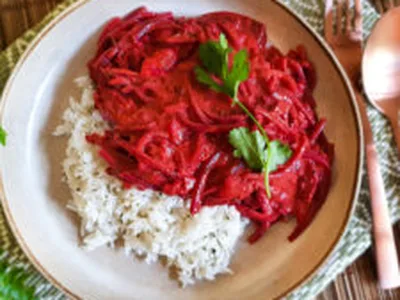
Vegan Red Beet Curry with Coconut Milk
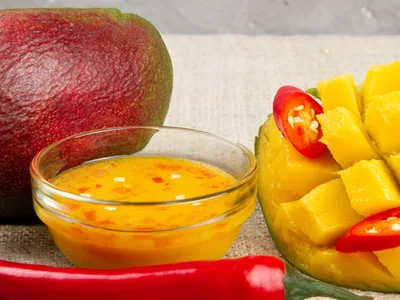
Spicy Mango Coconut Rice with Fresh Herbs

Upside-Down Meatball Casserole with Biscuit Topping