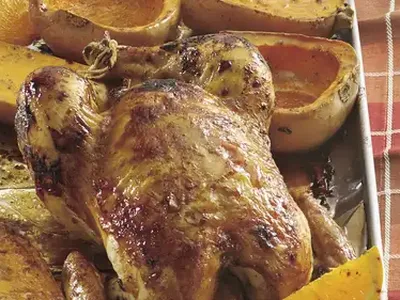
How to Roast a Whole Chicken
Roasting a whole chicken means cooking it in a hot oven until the skin turns crispy and the meat cooks through. The dry heat creates a golden crust while keeping the inside juicy.
Why it matters
Roasting beats other methods for crispy skin. You get dark meat and white meat in one go. The drippings make better gravy than any store-bought stock. One 4-pound bird feeds 4 people for under $10.
What you need
Steps
Remove chicken from fridge 45 minutes before cooking. Pat every surface dry with paper towels until no moisture remains. Room temperature meat cooks evenly. Wet skin never crisps.
Heat oven to 425F. Season inside cavity with 1 tablespoon kosher salt. Stuff with half a lemon, 4 garlic cloves, or fresh herbs if you have them. Tie legs together with kitchen twine.
Rub 2 tablespoons softened butter or oil over entire bird. Season all over with 2 tablespoons kosher salt and 1 tablespoon black pepper. The skin should look completely coated, like fresh snow on a car.
Place chicken breast-up in roasting pan. No rack needed. Put in oven on middle rack. After 20 minutes, reduce heat to 375F. The initial high heat starts the browning.
Roast 1 hour and 20 minutes total for a 4-pound bird. Add 15 minutes per extra pound. The skin turns mahogany brown. Juices run clear when you pierce the thigh. Internal temperature hits 165F at thickest part of thigh.
Remove from oven when thermometer reads 165F in the thigh joint. Tent loosely with foil. Rest 15 minutes minimum. The temperature climbs another 5 degrees while resting. Juices redistribute through the meat.
Common Mistakes
Starting with a cold, wet chicken
What happens: Skin stays rubbery and pale, cooking takes 30 minutes longer
Fix: Dry thoroughly and let sit at room temperature 45 minutes before roasting
Using too low temperature
What happens: Skin never crisps, meat dries out from long cooking
Fix: Start at 425F for first 20 minutes, then 375F
Not resting the bird
What happens: Juices pour out when carved, meat tastes dry
Fix: Always rest 15-20 minutes under foil before cutting
Checking temperature in the breast
What happens: Breast hits 165F while thighs stay at 155F and undercooked
Fix: Always check thigh temperature at the joint, not breast
Troubleshooting
Breast browns too fast while thighs stay pale
Then: Cover breast area with foil after 45 minutes, remove for last 15 minutes
Bottom stays soggy
Then: Next time, place chicken on a bed of thick carrot and celery pieces to lift it up
Smoke fills kitchen
Then: Your pan drippings are burning. Add 1 cup water or broth to pan immediately
Related Techniques
FAQ
Do I need to flip the chicken while roasting?
No flipping needed. The 425F starting temperature creates enough heat circulation to brown all sides. Flipping risks tearing the skin and losing juices. Some cooks start breast-down for 20 minutes, then flip once. This protects the breast from overcooking but requires careful handling with tongs to avoid ripping skin.
Should I cover the chicken with foil?
Never cover for the first 60 minutes. Foil traps steam and prevents browning. Only use foil if parts brown too quickly. A 4-pound bird needs 80-90 minutes uncovered at 375F after the initial 425F blast. Covering ruins the crispy skin you worked for.
How do I know it's done without a thermometer?
Pierce the thigh with a knife where leg meets body. Clear juices mean done. Pink juices need 10-15 more minutes. Wiggle the drumstick. It moves freely when ready. The skin pulls away from the drumstick bone. These signs usually appear around 165F internal temperature. Still, a thermometer removes all guesswork for $12.
What size chicken should I buy?
A 4-5 pound bird feeds 4 people with leftovers. Figure 1.25 pounds raw weight per person. Smaller 3-pound chickens cook faster but dry out easier. Larger 6-pound birds take 2 hours and need foil protection on the breast. The 4-pound sweet spot cooks evenly in 80 minutes.
Recipes Using This Technique
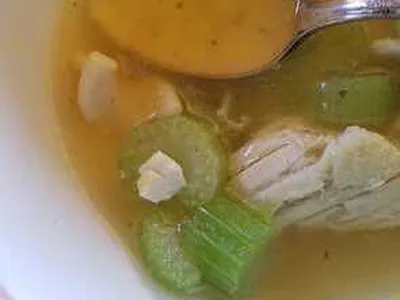
Amish Chicken Noodle Soup with Apple and Egg Noodles
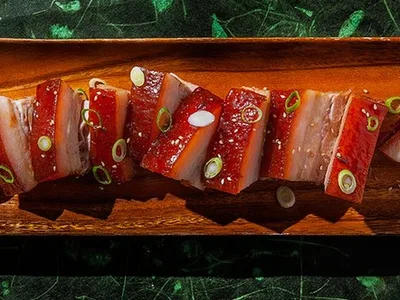
Braised Kalua-Style Pork Belly with Dark Chicken Stock Glaze
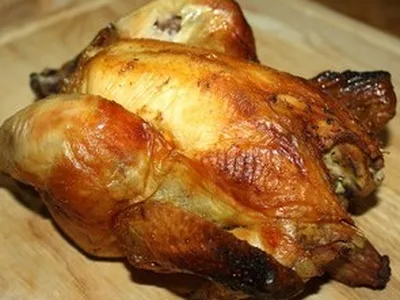
Brined Oven Roast Chicken with Rotisserie Seasoning
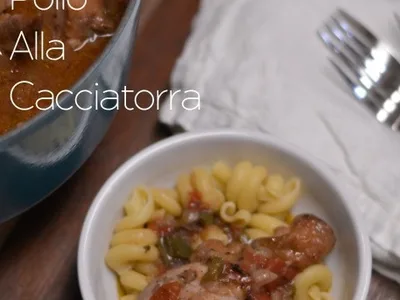
Hunter Style Chicken in Burgundy Wine Sauce
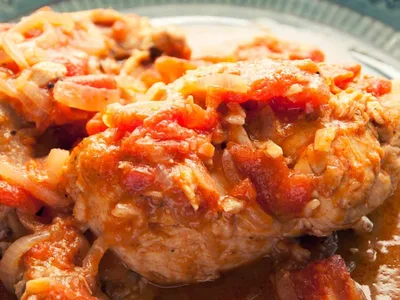
Roasted Chicken with Grapes and Dijon Mustard Pan Sauce