How to Beat Egg Whites to Stiff Peaks
Beating egg whites to stiff peaks turns liquid protein into stable foam that can hold air. The whisk breaks protein bonds and traps air bubbles, creating structure that makes cakes rise and mousses stay fluffy.
Why it matters
Properly beaten egg whites increase volume by 6 to 8 times. They create lift in soufflés without chemical leaveners. The foam structure survives baking at 350F for 30 minutes. No other ingredient creates this much volume from so little material.
What you need
Steps
Separate eggs when cold from the fridge, placing whites in your mixing bowl. Let whites sit 20 to 30 minutes until they reach 68F to 72F. Cold eggs separate cleaner but room temperature whites whip faster and higher.
Wipe bowl and beaters with white vinegar on a paper towel. Any trace of fat prevents foam formation. Start beating on medium speed (setting 4 on most mixers) for 45 to 60 seconds until whites look frothy like dishwater with uniform small bubbles.
Add cream of tartar or 1/2 teaspoon white vinegar per 3 egg whites. Increase to medium-high speed (setting 6 to 7). Beat 2 to 3 minutes until whites turn opaque white and triple in volume. The foam should look like shaving cream with visible whisk tracks.
Continue beating 1 to 2 minutes more. Watch for soft peaks that droop when you lift the beaters. The foam feels smooth and wet. Temperature rises to about 75F from friction. This stage works for folding into batters.
Beat 30 to 60 seconds more for stiff peaks. Lift beaters straight up. Peaks should stand tall without bending. The foam looks glossy like fresh snow. Turn bowl upside down over your head. Nothing moves.
Stop immediately when peaks stand straight. Overbeaten whites look grainy and separate into chunks. Use within 5 minutes or the foam deflates. Fold into batters with a rubber spatula using 12 to 15 gentle strokes.
Common Mistakes
Using a plastic bowl
What happens: Plastic holds invisible fat residue that prevents foam formation
Fix: Use glass or stainless steel bowls exclusively for egg whites
Adding sugar too early
What happens: Sugar dissolves proteins and prevents proper foam structure
Fix: Beat to soft peaks first, then add sugar 1 tablespoon at a time
Beating on highest speed from the start
What happens: Creates large unstable bubbles that collapse quickly
Fix: Start on medium speed for 60 seconds to create small stable bubbles
Using cold eggs
What happens: Takes 3 times longer to whip and achieves 30% less volume
Fix: Set eggs out 30 minutes before beating or place in warm water for 5 minutes
Troubleshooting
Whites won't foam after 5 minutes of beating
Then: Check for egg yolk contamination. Even 0.1% yolk prevents foaming. Start over with clean eggs and equipment.
Foam deflates while folding into batter
Then: Fold in three additions using a cutting motion. First third loosens batter, remaining two-thirds maintain volume.
Peaks lean over instead of standing straight
Then: Beat 15 to 30 seconds more while watching closely. The transition from soft to stiff happens within 45 seconds.
Related Techniques
FAQ
Can I save egg whites for later beating?
Fresh whites beat best, achieving 8 times original volume. Day-old whites reach only 6 times volume. Freeze whites up to 3 months in ice cube trays (1 white per cube). Thaw overnight in the fridge. Frozen-thawed whites take 30% longer to beat but work for most recipes. Add 1/8 teaspoon cream of tartar per white to improve stability.
Why do my whites sometimes refuse to stiffen?
Fat is the enemy of egg foam. Just 0.05 grams of yolk (one tiny speck) prevents proper beating. Water also interferes. Your bowl must be completely dry. Humidity above 70% makes beating take 2 to 3 minutes longer. Age matters too. Whites from 3-week-old eggs beat 25% faster than fresh eggs because proteins have loosened.
What's the difference between soft, medium, and stiff peaks?
Soft peaks (2 to 3 minutes beating) droop immediately when lifted, perfect for soufflés. Medium peaks (3 to 4 minutes) bend halfway then hold, ideal for sponge cakes. Stiff peaks (4 to 5 minutes) stand completely vertical, required for meringues and pavlovas. Each stage increases density by 15 to 20%. Overbeaten whites look like cottage cheese and won't incorporate into batters.
Do I really need cream of tartar?
Cream of tartar lowers pH from 9.0 to 8.0, stabilizing the foam structure. Without it, foam loses 30% volume within 10 minutes. Substitute 1/2 teaspoon lemon juice or white vinegar per 3 whites. For sweet applications, superfine sugar (1 tablespoon per white) also stabilizes foam. Professional bakers use 1/8 teaspoon salt per 4 whites in savory preparations.
Recipes Using This Technique
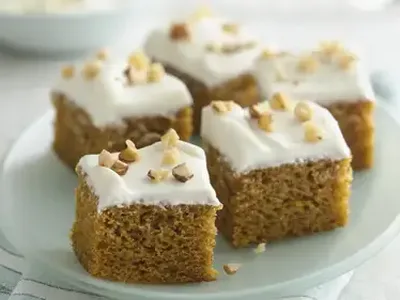
Easy Pumpkin Spice Bars with Cream Cheese Frosting
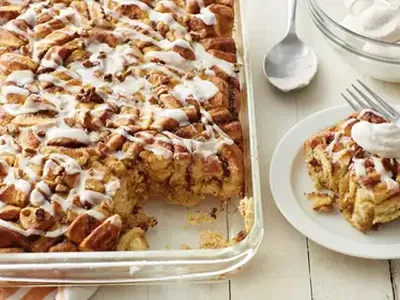
Pumpkin-Cinnamon Roll Bake with Spiced Whipped Cream
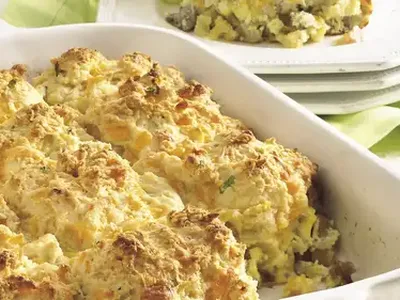
Sausage Apple Cheddar Biscuit Bake with Buttermilk Drop Biscuits

Strawberry-Rhubarb Cupcakes with Streusel Topping
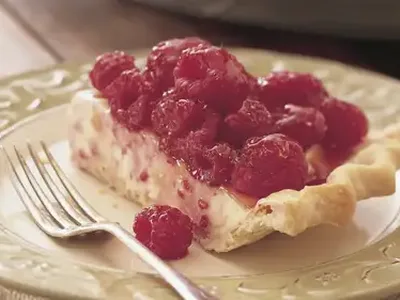
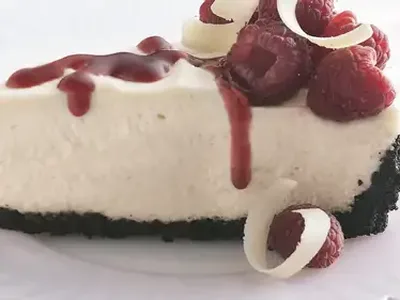
White Chocolate Mousse Raspberry Pie with Orange Liqueur