How to Fold Dough
Folding dough means lifting one edge over another edge, pressing gently to seal. You repeat this process to build layers without overworking the gluten.
Why it matters
Folding creates distinct layers in pastries, croissants, and biscuits. The technique traps butter or air between layers, producing flaky textures when baked. Kneading would destroy these layers. Folding also develops gluten strength in wet bread doughs without adding flour.
What you need
Steps
Place dough on lightly floured surface. Pat into a rectangle about 1 inch thick. The dough should feel cool, around 65F to 70F. If butter chunks are visible, they should be firm but pliable like clay.
Roll dough into a rectangle three times longer than wide. Aim for 18x6 inches for most recipes. Apply even pressure. Stop when you see the surface stretch smooth without tearing.
Brush excess flour off the surface using a dry pastry brush. Fold the bottom third up toward the center. You'll hear a soft whoosh as air escapes. Press edges lightly to seal.
Fold the top third down over the first fold, like folding a business letter. The dough now has three layers. Press edges again. You should see no gaps between layers when viewing from the side.
Turn dough 90 degrees clockwise. This quarter turn ensures even layer distribution. The open seam should face right. Mark the dough with two finger indents to track your folds.
Wrap dough in plastic. Refrigerate 30 minutes minimum. The dough should feel firm but not rock hard when ready. Internal temperature should read 38F to 42F for butter-based doughs.
Repeat rolling and folding process. Most recipes need 3 to 6 total folds. Stop when dough springs back slowly after poking with your finger. The surface should look smooth, not sticky or dry.
Common Mistakes
Working with warm dough above 75F
What happens: Butter melts into flour, creating greasy, dense results instead of flaky layers
Fix: Chill dough 20 minutes whenever it feels soft or sticky
Rolling too thin on first fold
What happens: Dough tears, exposing butter and ruining layer structure
Fix: Keep thickness at 1/4 inch minimum until final rolling
Skipping rest periods between folds
What happens: Gluten tightens, dough shrinks back, layers compress together
Fix: Rest 30 minutes minimum between each set of folds
Using too much flour while rolling
What happens: Dry patches form, layers won't stick together properly
Fix: Use just enough flour to prevent sticking, brush off excess before folding
Troubleshooting
Butter breaks through dough surface
Then: Patch hole with small dough piece, dust with flour, chill 15 minutes before continuing
Dough springs back immediately when rolling
Then: Let rest 45 minutes in refrigerator, gluten needs time to relax
Edges won't seal after folding
Then: Brush edges with water using pastry brush, press firmly for 3 seconds
Related Techniques
FAQ
How many times should I fold pie dough?
Fold pie dough 2 to 3 times maximum. Each fold creates 3 layers, so 2 folds give you 9 layers, 3 folds give you 27 layers. More than 3 folds makes pie crust tough instead of tender. The ideal internal dough temperature stays between 65F and 68F throughout the process.
Can I fold dough by hand without a rolling pin?
Yes, pat dough into a 1/2 inch thick rectangle using your palms. Press from center outward, rotating dough 90 degrees every few presses. This method works best for biscuit dough or rough puff pastry. Hand-patting takes 3 to 5 minutes versus 1 minute with a rolling pin.
Why does my folded dough shrink in the oven?
Dough shrinks when gluten strands are too tight. Rest folded dough at least 1 hour in the refrigerator before final shaping. For puff pastry, rest 2 hours or overnight. The internal temperature should read 38F to 40F before baking. Properly rested dough holds its shape and rises 200% to 300% in height.
What's the difference between a fold and a turn?
They're the same thing. Professional bakers say 'turn' because you turn the dough 90 degrees after each fold. A 'single turn' means one letter fold (3 layers). A 'double turn' means folding in quarters (4 layers). Most recipes use 4 to 6 single turns total.
Recipes Using This Technique

Baked Avocado Eggs with Parmesan

Homemade Pumpkin Pie with Butter Crust
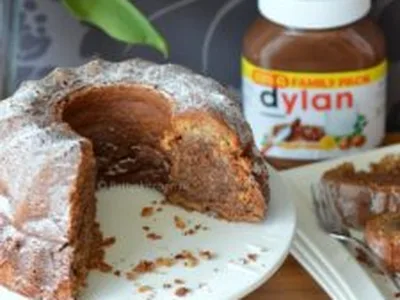
Banana Nutella Marble Bundt Cake
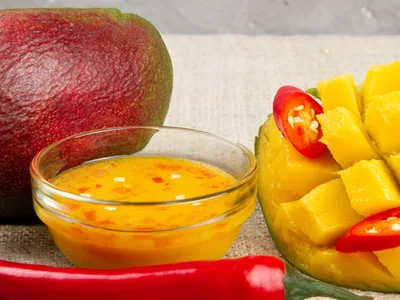
Spicy Mango Coconut Rice with Fresh Herbs
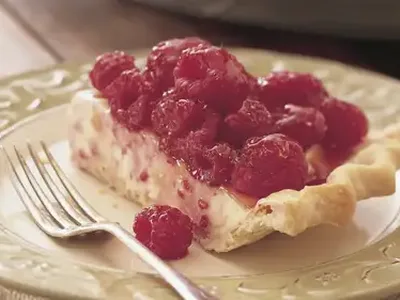
White Chocolate Mousse Raspberry Pie with Orange Liqueur