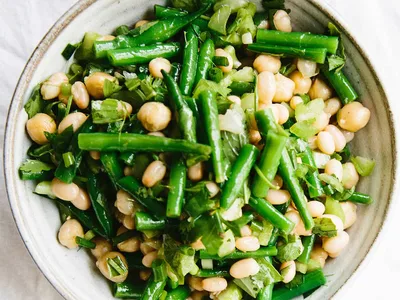
How to Blanch Vegetables
Blanching means boiling vegetables for 30 seconds to 3 minutes, then plunging them into ice water. It sets color, removes rawness, and makes vegetables crisp-tender.
Why it matters
Blanching locks in bright green color that raw vegetables lose when cooked normally. It stops enzyme action that causes vegetables to turn gray or brown. You get vegetables that taste cooked but keep their crunch. The technique also makes peeling tomatoes or removing almond skins take 10 seconds instead of 10 minutes.
What you need
Steps
Fill stockpot with 4 quarts water per pound of vegetables. Add 1 tablespoon kosher salt per quart. Heat to a rolling boil where bubbles break constantly across the entire surface.
Prepare ice bath while water heats. Fill large bowl with equal parts ice and cold water. The ice should float freely, not packed tight. Set bowl next to stove.
Cut vegetables into uniform pieces. Green beans need trimming only. Broccoli needs 1-inch florets. Carrots need 1/4-inch diagonal slices. Same-sized pieces cook evenly.
Drop vegetables into boiling water. Work in 1/2 pound batches to keep water temperature above 190F. Start timer immediately. Green vegetables turn bright in 15-30 seconds.
Test doneness at minimum time. Pierce with knife tip. Vegetables should give slight resistance but no hard center. Asparagus bends without snapping. Green beans squeak between teeth.
Transfer vegetables to ice bath using spider or slotted spoon. Submerge completely. Stir once to ensure cold water contacts all surfaces. Leave 2-3 minutes until completely cold.
Drain vegetables in colander. Shake vigorously to remove water. Pat dry with clean kitchen towels if using immediately. Store in airtight container up to 3 days.
Common Mistakes
Using too little water
What happens: Water temperature drops below 180F when vegetables go in, causing uneven cooking
Fix: Use 4 quarts water minimum per pound of vegetables
Skipping the ice bath
What happens: Vegetables keep cooking from residual heat and turn mushy gray-green
Fix: Always shock in ice water within 5 seconds of removing from heat
Overcrowding the pot
What happens: Water stops boiling for 30+ seconds, vegetables steam instead of blanch
Fix: Work in small batches, never more than 1/2 pound at a time
Blanching different vegetables together
What happens: Delicate vegetables overcook while sturdy ones stay raw
Fix: Blanch each vegetable type separately according to its specific timing
Troubleshooting
Vegetables turned olive green instead of bright green
Then: Your water wasn't hot enough. Wait for violent rolling boil at 212F before adding vegetables
Vegetables are still crunchy in the center after recommended time
Then: Cut pieces smaller next time. For now, return to boiling water for 30-second intervals until tender
Ice bath turned warm before vegetables cooled
Then: Add more ice immediately. Need 1 pound ice per pound of hot vegetables minimum
Related Techniques
FAQ
How much salt should I add to the blanching water?
Add 1 tablespoon kosher salt per quart of water. For an 8-quart pot filled with 6 quarts water, that's 6 tablespoons or about 1/3 cup. The water should taste like mild seawater, around 3% salinity. This salt concentration seasons vegetables throughout and helps maintain their cellular structure during the quick cook. Table salt works too, but use 2 teaspoons per quart since its crystals pack tighter.
Can I blanch vegetables ahead for meal prep?
Blanched vegetables keep 3-4 days refrigerated in airtight containers. Drain thoroughly first. Moisture causes faster spoilage. Layer paper towels between vegetable layers to absorb condensation. For longer storage, freeze blanched vegetables up to 8 months. Spread on sheet pans to freeze individually before bagging. This prevents clumping. Blanched vegetables reheat in 30-60 seconds in boiling water or 2-3 minutes in a hot skillet.
What vegetables should never be blanched?
Skip blanching for vegetables with over 90% water content like cucumbers, lettuce, and radishes. They turn to mush. Also avoid blanching mushrooms, which absorb water like sponges and lose all texture. Eggplant turns bitter when blanched due to its alkaloid content. Bell peppers lose their crispness permanently after just 30 seconds in boiling water. These vegetables respond better to roasting, grilling, or raw preparation.
Why do chefs blanch vegetables instead of just cooking them normally?
Blanching gives you precise control. A 90-second blanch plus 2-minute saute beats 8 minutes of straight sauteing. Vegetables cook evenly inside and out. Restaurant kitchens blanch 20 pounds of vegetables at 3pm for dinner service at 6pm. One quick reheat and vegetables taste just-cooked. The technique also removes bitter compounds from sturdy greens in 60 seconds that would take 15 minutes of regular cooking to mellow.
Recipes Using This Technique
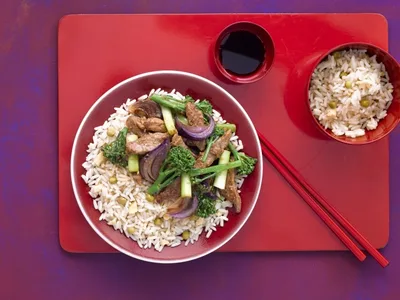
Char Siu Pork Fried Rice with Broccoli
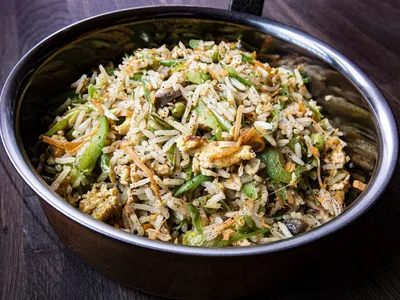
High-Heat Egg Fried Rice with Spring Onions

Coconut Fish Stew with Hake and Peppers
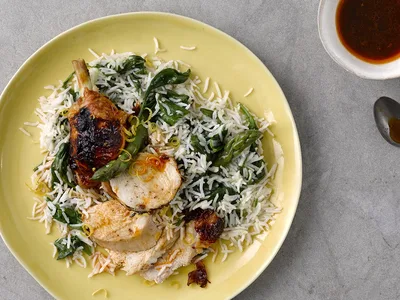
Spatchcock Lemon Chilli Chicken with Coconut Rice
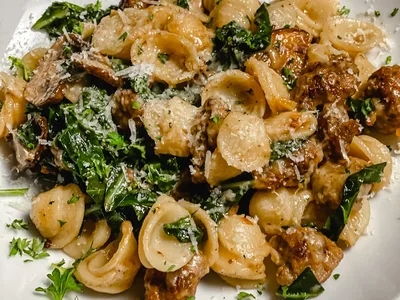
Orechiette with Collard Greens and Italian Sausage