How to Steam Food
Steaming cooks food with moist heat from boiling water vapor at 212F. The food never touches the water, sitting above it on a rack or basket while steam circulates around it.
Why it matters
Steam cooks vegetables in 5 to 15 minutes without losing nutrients to cooking water. Fish stays moist. Dumplings don't stick. The gentle 212F temperature won't overcook delicate proteins like eggs or seafood the way 350F roasting would.
What you need
Steps
Pour 1 to 2 inches of water into your pot. The water level must stay below the steamer basket bottom. Set the steamer basket inside. Cover with the lid and heat on high until you see steady steam escaping from under the lid, about 5 minutes.
Arrange food in a single layer in the steamer basket. Leave 1/2 inch between pieces. Dense vegetables like carrots go on the bottom tier. Quick-cooking items like spinach go on top. The thickest parts should face the center where steam is hottest.
Cover immediately and reduce heat to medium. You want visible steam but not violent bubbling. Start your timer based on food type: broccoli florets need 4 to 6 minutes, chicken breasts need 15 to 18 minutes, whole artichokes need 25 to 35 minutes.
Check water level every 10 minutes for long cooking times. Add hot water from a kettle if needed. Never let the pot run dry. You'll smell burning metal and hear sizzling instead of gentle bubbling.
Test doneness without removing the lid completely. Lift one edge and pierce food with a knife tip. Vegetables should pierce easily but not fall apart. Fish flakes when pressed. Dumplings feel firm and springy, not doughy.
Turn off heat and remove the lid away from you to avoid steam burns. Let steam escape for 30 seconds. Remove food with tongs. Vegetables should look bright green or orange, not gray. Fish should be opaque throughout.
Common Mistakes
Adding too much water
What happens: Water bubbles up through the steamer holes and boils the food instead
Fix: Keep water 1 inch below the basket bottom and check the level before starting
Overcrowding the steamer
What happens: Center pieces steam while edges stay raw
Fix: Steam in batches or use multiple tiers with 1/2 inch gaps between all pieces
Using high heat the entire time
What happens: Water evaporates in 10 minutes and scorches the pot
Fix: Start on high to create steam, then reduce to medium once you see steady vapor
Lifting the lid repeatedly to check
What happens: Temperature drops 20F each time, adding 2 to 3 minutes to cooking time
Fix: Use a glass lid or wait until the minimum cooking time passes before checking
Troubleshooting
Food tastes watery and bland
Then: Season after steaming, not before. Salt draws out moisture during cooking. Toss hot vegetables with 1/2 teaspoon salt and 1 tablespoon butter per pound.
Bottom burns while top stays raw
Then: Your heat is too high or water level too low. Add 1 cup hot water and reduce burner to medium-low. Rotate food positions halfway through.
Related Techniques
FAQ
Can I steam without special equipment?
Yes. Put 3 identical spoons upside-down in a pot with 1 inch of water. Balance a heat-proof plate on the spoons. The plate must sit 1 inch above water. Cover tightly with a lid or aluminum foil. This makeshift steamer works for dumplings, fish fillets, or vegetable portions under 1 pound.
How much water do I need for different cooking times?
Use this ratio: 1 cup water evaporates every 15 minutes on medium heat. For 5-minute vegetables, 1 inch of water works. For 30-minute tamales, start with 3 inches. Always keep a kettle of hot water ready to add more. Running dry ruins both food and pot.
What's the difference between a metal and bamboo steamer?
Metal steamers heat up in 3 minutes and maintain steady 212F temperature throughout cooking. Bamboo steamers take 5 to 7 minutes to heat through but absorb excess moisture, preventing condensation drips. Metal works better for vegetables that need consistent heat. Bamboo excels at dumplings and buns where dripping water would make them soggy. Both cost between $15 and $40.
Why do my steamed vegetables turn gray?
Overcooking causes this. Green vegetables contain chlorophyll that turns gray-brown after 7 minutes at 212F. Set a timer for the minimum time: asparagus needs 3 minutes, broccoli needs 4 minutes, green beans need 5 minutes. Remove them while still bright green. They'll continue cooking for 30 seconds after removal.
Recipes Using This Technique
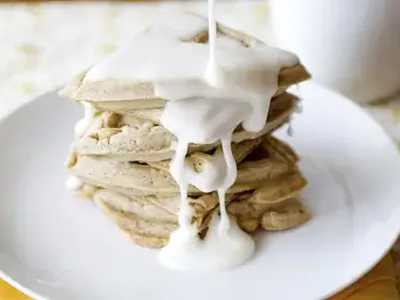
Cinnamon Bun Waffles with Sweet Glaze
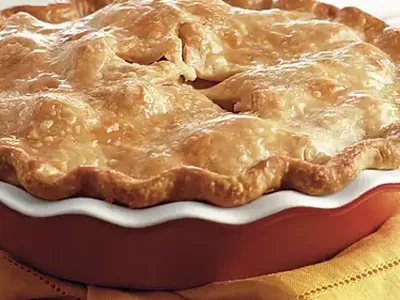
Honey Roasted Golden Delicious Apple Pie with Flaky Crust
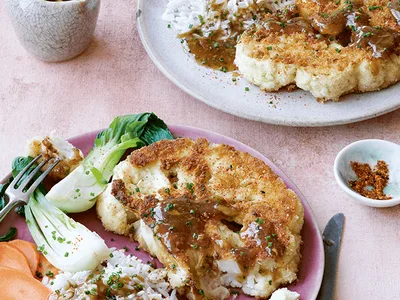
Paneed Cauliflower Steaks with Lemon Ginger Sauce
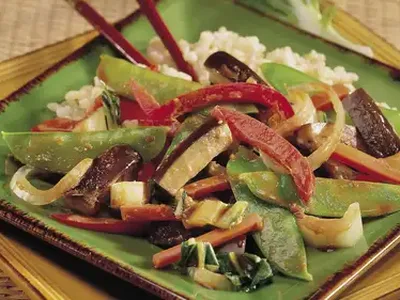
Steamed Chinese Vegetables with Peanut Hoisin Sauce over Brown Rice
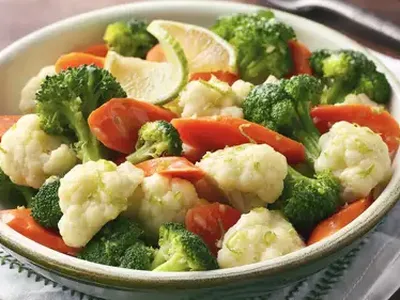
Steamed Vegetables with Chile-Lime Butter