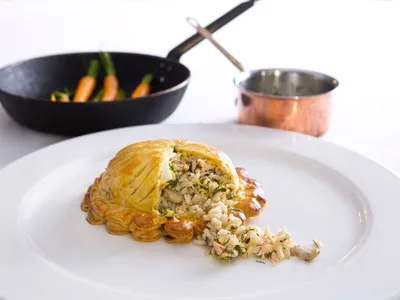
How to Boil Eggs Perfectly
Boiling eggs cooks them in 212F water until the whites set and yolks reach your preferred texture. The technique relies on precise timing and temperature control to achieve consistent results from runny to hard-cooked centers.
Why it matters
Boiling creates perfectly cooked eggs without oil or butter. You get clean whites that peel easily when done right. The method works for 1 egg or 12 eggs at once. Temperature control prevents the green ring around hard-boiled yolks that happens with overcooking.
What you need
Steps
Fill a 4-quart saucepan with enough water to cover eggs by 1 inch. Heat on high until water reaches a rolling boil with big bubbles breaking constantly at the surface. Add 1 tablespoon salt per quart of water.
Lower eggs into boiling water one at a time using a slotted spoon. Move slowly to prevent cracking. The water temperature will drop to about 190F when you add cold eggs. Wait for it to return to a full boil before starting your timer.
Set timer based on your desired yolk texture. 6 minutes for jammy yolks that ooze slightly. 8 minutes for creamy but not runny centers. 10 minutes for firm yolks with a slightly soft center. 12 minutes for completely hard yolks.
Prepare ice bath while eggs cook. Fill a large bowl with 4 cups ice and 2 cups cold water. The mixture should feel painfully cold to touch, around 35F.
Transfer eggs immediately to ice bath when timer sounds. Use slotted spoon to move them quickly. Leave in ice water for 5 minutes minimum. The shells will contract and pull away from the egg white, making peeling easier.
Crack shells all over by rolling gently on counter. Start peeling from the wide end where the air pocket sits. The membrane should come off in large pieces if eggs cooled properly. Rinse under cold water to remove shell fragments.
Common Mistakes
Starting with cold water and eggs together
What happens: Eggs cook unevenly and timing becomes unreliable
Fix: Always add eggs to already boiling water for consistent results
Skipping the ice bath
What happens: Eggs continue cooking from residual heat, yolks turn gray-green
Fix: Transfer to ice water within 10 seconds of timer ending
Using fresh eggs less than 1 week old
What happens: Shells stick to whites and tear chunks away when peeling
Fix: Buy eggs at least 7 days before boiling or add 2 tablespoons vinegar to water
Boiling at too high heat after adding eggs
What happens: Eggs bounce around and crack, whites become rubbery
Fix: Reduce to medium-high once eggs are in, maintaining gentle bubbles
Troubleshooting
Green ring forms around yolk
Then: Reduce cooking time by 1 minute and increase ice bath time to 10 minutes
Whites stick to shell when peeling
Then: Add 2 tablespoons white vinegar to boiling water and use eggs at least 10 days old
Yolks not centered after cooking
Then: Store eggs on their side for 24 hours before boiling to center the yolk
Related Techniques
FAQ
Can I reuse the cooking water?
Yes, the salted water works great for pasta or vegetables. The 212F temperature and 1 tablespoon salt per quart ratio matches what you need for cooking most starches. Save it in a container for up to 3 days in the fridge. The slight egg protein in the water won't affect flavor.
Why do my eggs crack during cooking?
Temperature shock causes 90% of cracking. Eggs straight from a 40F refrigerator hit 212F water and expand too fast. Let eggs sit at room temperature for 30 minutes before boiling. Lower them gently with a spoon, not dropped from height. Adding 1 teaspoon salt per cup of water also strengthens shells during cooking.
How long do boiled eggs keep?
Hard-boiled eggs last 7 days refrigerated in their shells. Peeled eggs should be eaten within 48 hours. Store them submerged in cold water, changing it daily. The shell protects against bacteria, so leave it on until ready to eat. Soft-boiled eggs with runny yolks keep only 2 days maximum.
What altitude adjustments do I need?
Add 1 minute cooking time for every 2,000 feet above sea level. Water boils at 208F at 2,000 feet, 203F at 5,000 feet, and 198F at 7,500 feet. The lower temperature means longer cooking. Denver residents should add 2.5 minutes to all times. Test with one egg first to dial in your specific altitude timing.
Recipes Using This Technique
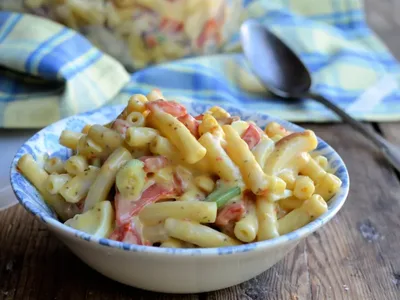
Amish Macaroni Salad with Creamy Mustard Dressing

Easy Cherry Vanilla Fudge with White Chocolate and Marshmallow
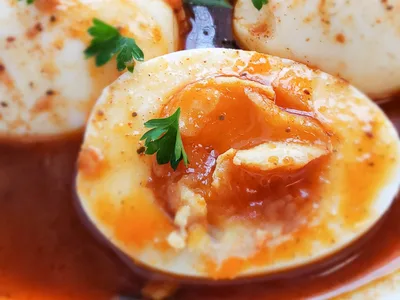
Buttery Old Bay Egg Boil Sauce

Classic Creamy Potato Salad with Hard-Boiled Eggs
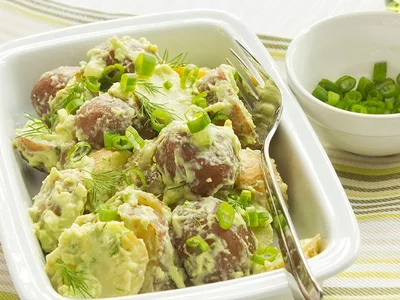
Dutch Potato Salad with Avocado and Wasabi Mayo