How to Saute
Sautéing cooks food quickly in a small amount of fat over medium-high to high heat. The food moves constantly in the pan, developing color and flavor through direct contact with the hot surface.
Why it matters
Sautéing creates a golden crust while keeping interiors tender. It works faster than roasting or braising. The high heat concentrates flavors and creates fond on the pan bottom for making sauces. Most vegetables stay crisp-tender instead of mushy.
What you need
Steps
Cut all ingredients into uniform pieces, about 1/4 to 1/2 inch for most vegetables. Pat everything completely dry with paper towels. Wet food steams instead of sautéing.
Heat your 12-inch skillet over medium-high heat for 2 to 3 minutes. Add 1 to 2 tablespoons oil and swirl to coat. The oil should shimmer and move like water when hot enough.
Drop a test piece into the pan. It should sizzle immediately with bubbles forming around the edges. If it sits quietly, wait 30 more seconds.
Add ingredients in a single layer with space between pieces. Start with aromatics like garlic or onions if using. Let them sit undisturbed for 30 to 45 seconds until edges turn golden.
Toss or stir every 30 to 60 seconds using your wooden spoon. Keep food moving to prevent burning. Listen for steady sizzling throughout cooking.
Season with salt and pepper during the last minute of cooking. Most vegetables need 3 to 5 minutes total. Meat takes 2 to 4 minutes per side depending on thickness.
Remove food when edges show deep golden color and centers remain slightly firm. Vegetables should bend but still have snap. The pan bottom will have brown bits stuck to it.
Common Mistakes
Crowding the pan with too much food
What happens: Temperature drops below 300F and food steams in its own moisture
Fix: Cook in batches, using no more than 2 cups of vegetables per 12-inch pan
Starting with cold or barely warm oil
What happens: Food absorbs oil and turns greasy instead of crispy
Fix: Wait for oil to shimmer and almost smoke, about 350F to 400F
Stirring too often
What happens: Food never develops golden crust or caramelization
Fix: Let food sit 30 to 45 seconds between stirs for proper browning
Using wet or damp ingredients
What happens: Water causes oil to splatter and prevents browning
Fix: Dry all ingredients thoroughly and let refrigerated items come to room temperature
Troubleshooting
Food sticks to the pan and tears when stirring
Then: Let it cook 15 more seconds before trying again, or add 1 more tablespoon oil around the edges
Some pieces burn while others stay raw
Then: Cut all pieces to the same 1/4 to 1/2 inch size and reduce heat to medium
Oil starts smoking heavily
Then: Remove pan from heat for 30 seconds, then return at medium heat instead of medium-high
Related Techniques
FAQ
What's the difference between sautéing and frying?
Sautéing uses 1 to 2 tablespoons of oil in a hot pan at 350F to 400F. Frying uses at least 1/4 inch of oil at lower temperatures around 325F. Sautéed food cooks in 3 to 5 minutes with constant movement. Fried food sits in oil for 5 to 10 minutes per side without much stirring.
Can I use butter instead of oil?
Pure butter burns at 350F, too low for proper sautéing. Mix equal parts butter and oil to raise the smoke point to 400F. Add butter during the last 60 seconds of cooking for flavor without burning. Clarified butter works alone since the milk solids that burn are removed.
How do I know when vegetables are done?
Pierce with a fork after 3 minutes of cooking. The fork should meet slight resistance in the center. Onions turn translucent. Peppers develop charred spots. Mushrooms release their moisture and shrink by 50 percent. Green vegetables like broccoli turn bright green before dulling.
What size pieces work best?
Cut everything between 1/4 and 1/2 inch for even cooking in 3 to 5 minutes. Garlic minced to 1/8 inch cooks in 30 seconds. Dense vegetables like carrots need 1/4 inch dice. Soft items like mushrooms work at 1/2 inch. Keep all pieces of the same ingredient the same size.
Recipes Using This Technique
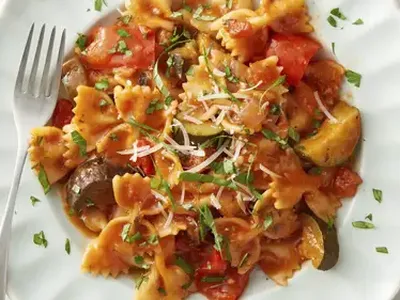
Instant Pot Ratatouille Pasta with Vegetables and Herbs
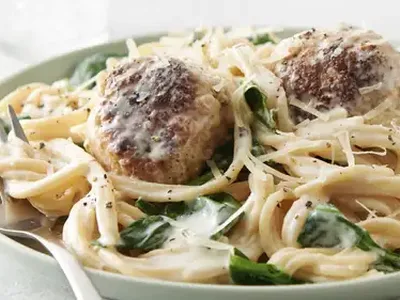
Instant Pot Turkey Meatball Spaghetti with Spinach
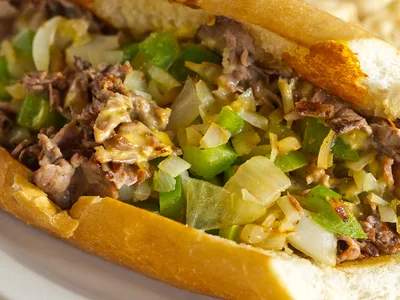
Ground Beef Philly Cheesesteak on Hoagie Rolls
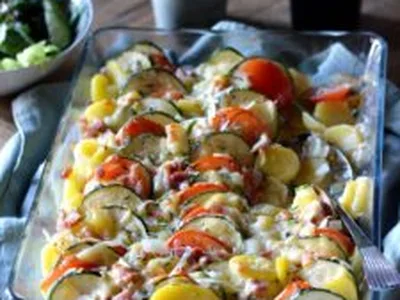
Dutch Potato Casserole with Cheese and Bacon
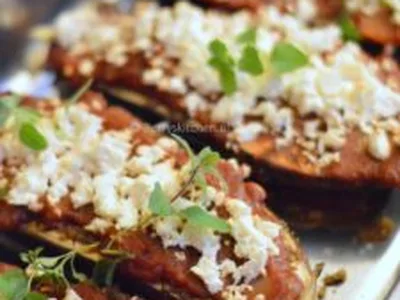
Roasted Eggplants with Feta and Tomato Sauce