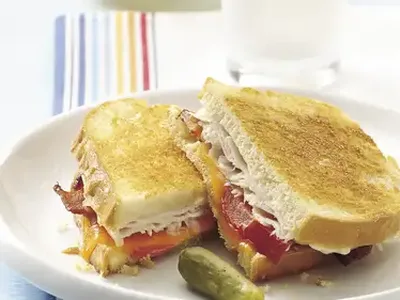
How to Cook Bacon Perfectly
Cooking bacon turns raw pork belly strips into crispy, golden-brown meat through controlled heat application. The process renders out 65-70% of the fat while developing the signature crispy texture and smoky flavor.
Why it matters
Proper bacon cooking prevents burning while achieving consistent crispness across every strip. The technique renders maximum fat for use in other dishes. You get flat strips instead of curled ones. Temperature control eliminates smoke-filled kitchens and splatter burns.
What you need
Steps
Place bacon strips in a cold 12-inch cast iron skillet without overlapping. Starting cold prevents curling. The pan should stay at 325F throughout cooking. Listen for gentle sizzling after 3-4 minutes.
Cook for 4-5 minutes until edges turn light tan and fat begins pooling. White fat strips should look translucent. Tiny bubbles will form around each strip. The bacon releases easily when ready to flip.
Flip each strip using tongs. Press down gently for 2-3 seconds to ensure full contact with the pan. The cooked side should be golden-brown with rendered fat channels visible. Continue cooking 3-4 minutes.
Check for doneness by lifting a strip vertically with tongs. Properly cooked bacon holds its shape without drooping. The color should be deep golden-brown with crispy edges. Internal temperature reaches 145F.
Transfer cooked strips to paper towel-lined plate. Let rest 60 seconds. The bacon continues crisping during this time. Save rendered fat in a glass jar for cooking. One pound of bacon yields 1/3 to 1/2 cup fat.
Common Mistakes
Starting with a hot pan
What happens: Bacon curls immediately and cooks unevenly with burnt edges and raw centers
Fix: Always start with bacon in a cold pan to allow gradual fat rendering
Cooking at temperatures above 375F
What happens: Outside burns while inside stays chewy, plus excessive smoke and splatter
Fix: Maintain medium heat at 325-350F throughout cooking
Overcrowding the pan
What happens: Strips steam instead of fry, resulting in limp, unevenly cooked bacon
Fix: Leave 1/4 inch between strips or cook in batches
Flipping too early or too often
What happens: Bacon tears apart and never develops proper crust
Fix: Flip only once when first side is golden-brown and releases easily
Troubleshooting
If bacon starts smoking heavily
Then: Reduce heat to medium-low immediately and pour off excess fat, leaving just 1-2 tablespoons in pan
If strips cook unevenly with raw spots
Then: Cut bacon into 2-3 inch pieces before cooking for more consistent results
If bacon stays limp after cooking
Then: Return to pan over medium-high heat for 30-60 seconds per side to re-crisp
Related Techniques
FAQ
What's the best bacon thickness for pan frying?
Standard-cut bacon at 1/16 inch thickness cooks most evenly in 8-10 minutes total. Thick-cut bacon at 1/8 inch needs 12-15 minutes and lower heat around 300F. Thin bacon under 1/16 inch cooks too quickly and burns easily. Standard-cut gives you the best control over texture.
Can I reuse bacon grease?
Strain hot bacon fat through fine mesh or cheesecloth into a glass jar. Refrigerated fat lasts 3 months, frozen lasts 6 months. One tablespoon replaces butter in most recipes. The smoke point is 370F, making it perfect for eggs, vegetables, or cornbread. Never mix with used oil from other meats.
Why does my bacon always curl up?
Bacon curls when muscle fibers contract faster than fat renders. Starting in a cold pan slows this process. Make 1/4 inch cuts along the fat edge every 2 inches before cooking. Press strips flat with a bacon press or second pan for the first 2 minutes. Thicker bacon curls less than thin.
How do I cook bacon without splatter?
Keep temperature at 325F to minimize splatter. Add 1 tablespoon water to the cold pan before adding bacon. The water evaporates as fat renders, reducing pops. A splatter screen cuts mess by 80%. Position bacon with fattiest edges toward pan center where temperature is most consistent.
Recipes Using This Technique
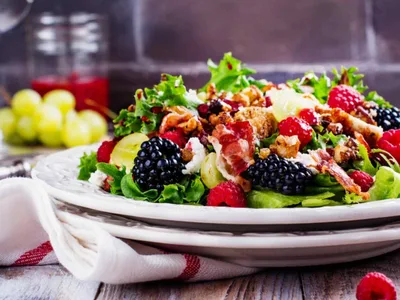
Grilled Chicken Summer Berry Salad with Raspberry Dressing
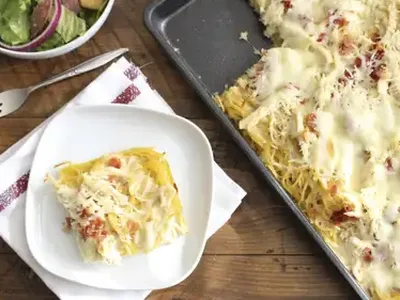
Creamy White Spaghetti Pizza Bake with Chicken and Bacon
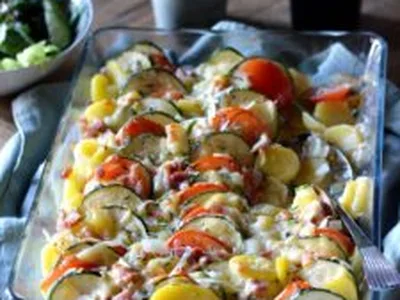
Dutch Potato Casserole with Cheese and Bacon
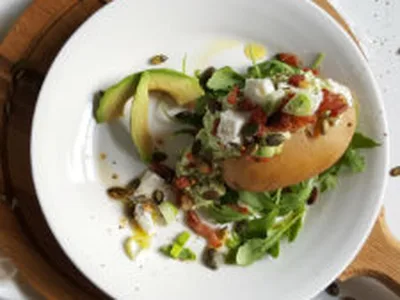
Stuffed Baked Potato with Avocado and Cottage Cheese
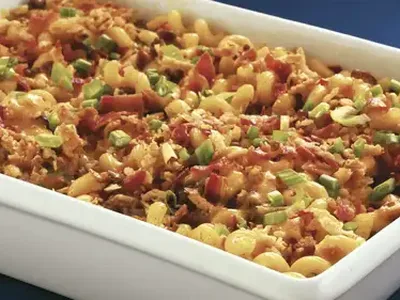
Texas Chili Pasta Bake with Ground Beef and Cheddar